

Documentary
Overview
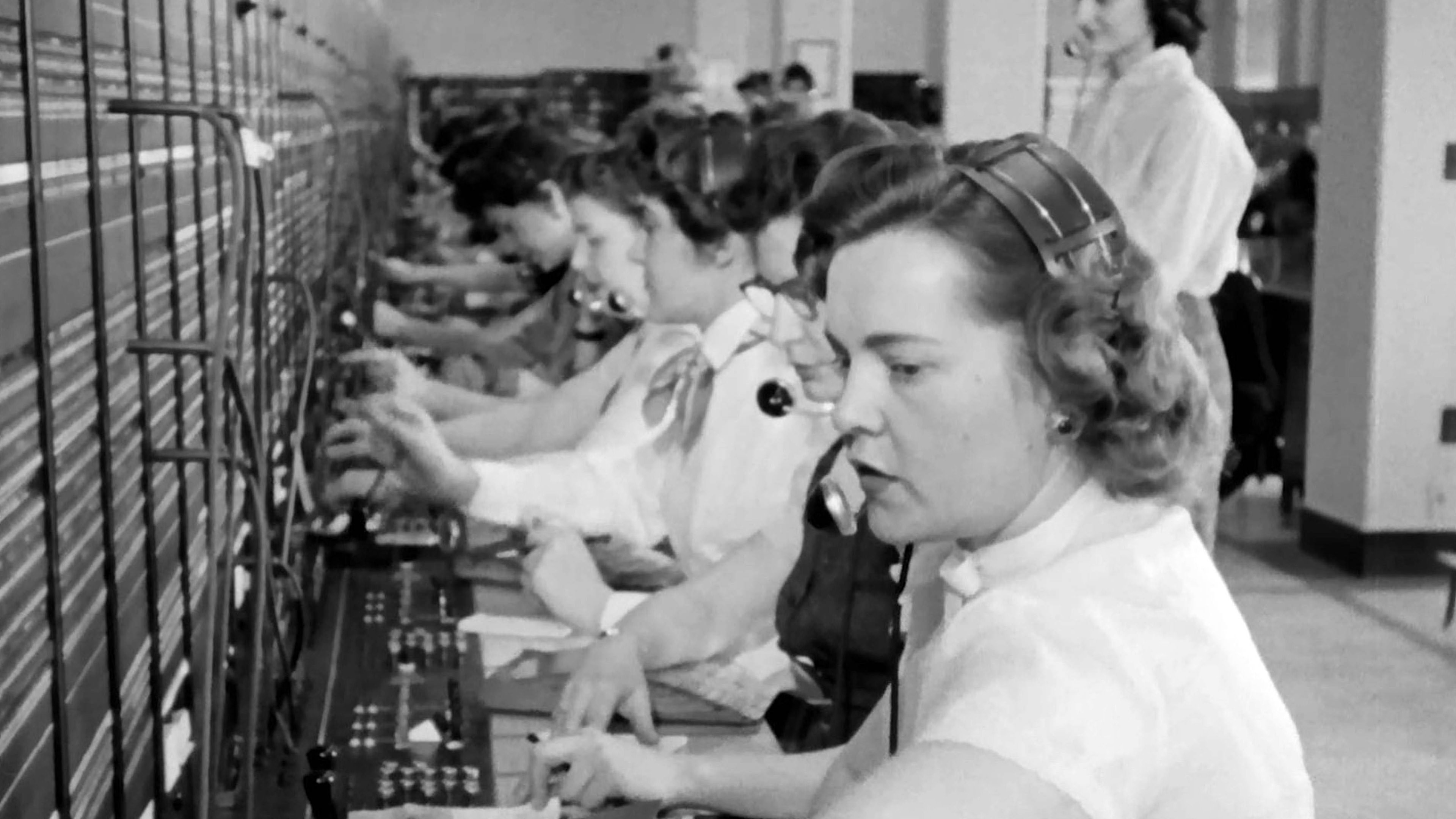
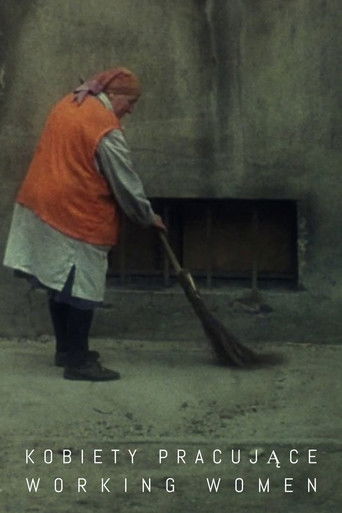
An introduction to the employment picture in Canada in the late 1950s, designed to inform potential immigrants of job opportunities existing for women. The film reviews many fields of work in which women are engaged, ranging from the highly specialized to the unskilled, and shows much of it being performed by women who have come to Canada from many different lands. Placement services and information services established to help newly arrived immigrants are shown in operation. Viewed from a modern perspective, the greater part of the film accepts as normal the waste of women's talents in repetitive or service jobs while elevating this work to the status of a career. Currently distributed only in 13-minute abridged form.


No cast information.
Similar Movies
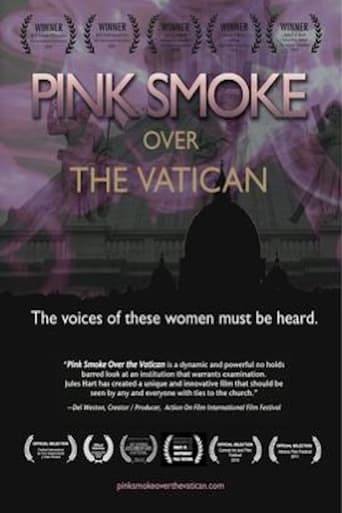
Documentary film about the controversial movement of women seeking ordination in the Roman Catholic Church. More and more women are answering a spiritual calling to take on the vestments of priesthood and seek equality in the religion they love. These daring women have risked banishment, loss of livelihood, and even excommunication to take part in what the Church calls illicit ordinations. The Vatican has vowed to end this threat to the male hierarchy, even forbidding the mere discussion of female priests. The papacy has reached a time of crisis and the controversy over women's role, and their place in the Church, must be addressed if the Vatican is to have any relevance in the 21st century.
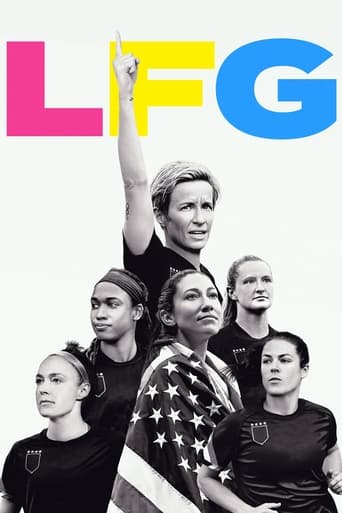
Three months before the 2019 World Cup, the U.S. Women’s National Soccer Team filed a gender discrimination lawsuit against the United States Soccer Federation. At the center of this no-holds-barred account are the players themselves–Megan Rapinoe, Jessica McDonald, Becky Sauerbrunn, Kelley O'Hara and others–who share their stories of courage and resiliency as they take on the biggest fight for women's rights since Title IX.
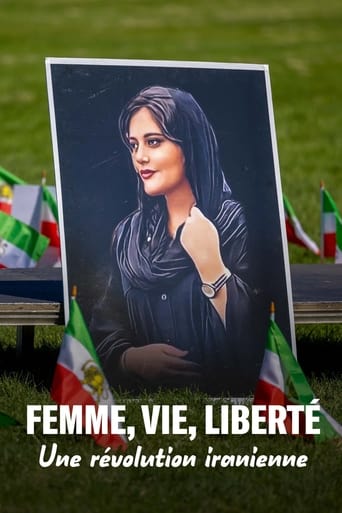
On September 16, 2022, in Teheran, the murder by police of the young Mahsa Amini, arrested for "wearing a headscarf contrary to the law", sparked off an unprecedented insurrection. Within hours, a spontaneous movement formed around the rallying cry: "Woman, life, freedom". For the first time, women, joined by men and students, took the initiative and removed their veils, the hated symbol of the Islamic Republic. The Iranian population, from all regions and social categories, rose up in protest. Social networks went wild. The diaspora (between 5–8 million Iranians) took up the cause, and the whole world discovered the scale of this mobilization: could the theocratic regime be overthrown this time?
Women talk about the circumstances that drove them to seek illegal abortions and the often traumatic result. Interwoven with historical photographs and newsreel footage, the stories expose how the reality of women's lives were counterposed to what was socially and morally expected of them.
Three women share their experience of navigating the app-world in the metro city. The sharings reveal gendered battles as platform workers and the tiresome reality of gig-workers' identities against the absent bosses, masked behind their apps. Filmed in the streets of New Delhi, the protagonists share about their door-to-door gigs, the surveillance at their workplaces and the absence of accountability in the urban landscape.
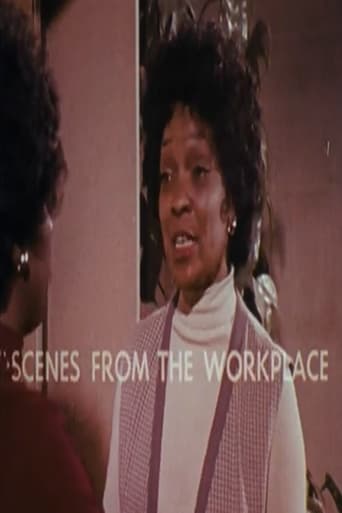
The film depicts the complexities and conflicts that arise in workplace environments, particularly focusing on the dynamics between supervisors and employees in both public and private sectors. It illustrates various scenarios where disagreements occur, often leading to grievances that may involve union representation. Key themes include dress codes, assignments based on gender, seniority rights, and the struggle for fair treatment and representation in the workplace. The characters navigate these issues, highlighting the tension between individual rights and organizational rules.