

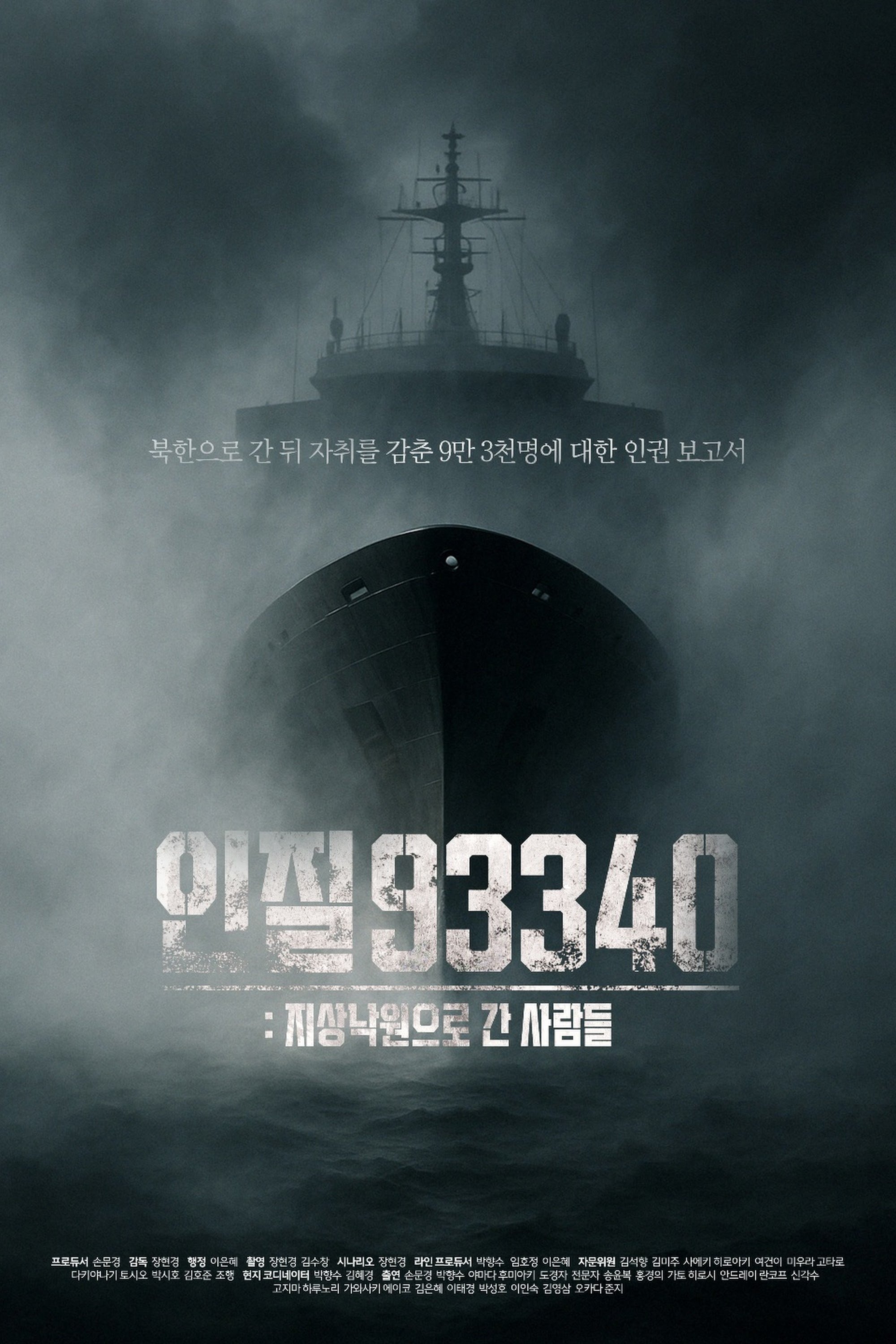
Hostage 93340
Documentary
Top Cast


Son Moon-kyung
Son Moon-kyung
Self
Son Moon-kyung
Self
Park Hyang-su
Park Hyang-su
Self
Park Hyang-su
Self
Fumiaki Yamada
Fumiaki Yamada
Self
Fumiaki Yamada
Self
Do Kyung-ja
Do Kyung-ja
Self
Do Kyung-ja
Self
Jeon Moon-ja
Jeon Moon-ja
Self
Jeon Moon-ja
Self
Song Yoon-bok
Song Yoon-bok
Self
Song Yoon-bok
Self
Hong Kyeong-eui
Hong Kyeong-eui
Self
Hong Kyeong-eui
Self
Toshio Takiyanagi
Toshio Takiyanagi
Self
Toshio Takiyanagi
Self
Andrei Lankov
Andrei Lankov
Self
Andrei Lankov
Self
Shin Gak-soo
Shin Gak-soo
Self
Shin Gak-soo
Self
Similar Movies
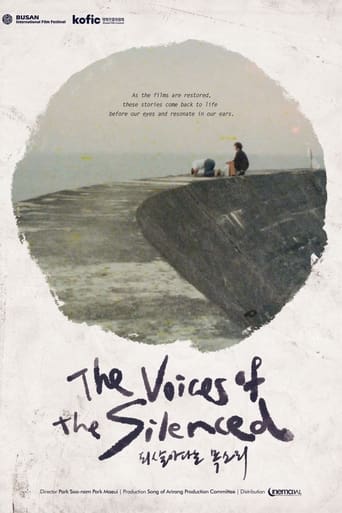
Director Park Soo-nam, a second-generation Korean resident in Japan who is losing his eyesight, decides to digitally restore 16mm film she shot a long time ago, relying on her daughter Park Ma-eui's eyesight. The blood, tears, and numerous corpses of Koreans living in Japan are clearly engraved in the film filmed over 50 years.
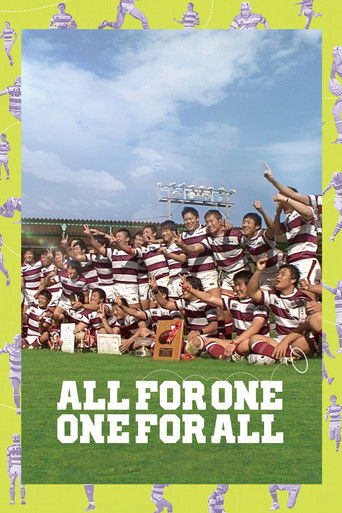
Osaka Korean High School has provided education for the past six decades to the children of pro-North Korean residents in Japan. This school is located only about 20 minutes away from Hanazono Stadium, the mecca of Japan’s high school rugby, but it was not until 1994, 18 years after the foundation of a rugby team at the high school, that the Japanese education ministry approved the team’s entry into the official league. Since then, the team has run in the national league as a representative of the Osaka area and been considered a front-runner ever since. The team has strong players and passionate supporters, but it faces difficulties just before winning the league.
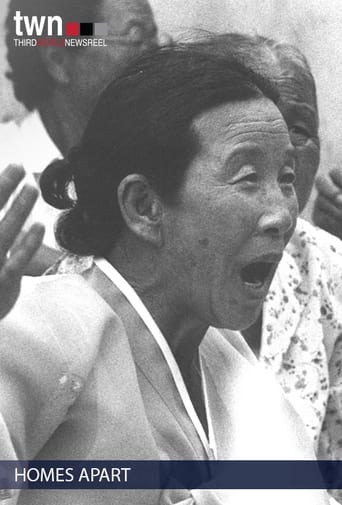
They speak the same language, share a similar culture and once belonged to a single nation. When the Korean War ended in 1953, ten million families were torn apart. By the early 90s, as the rest of the world celebrated the end of the Cold War, Koreans remain separated between North and South, fearing the threat of mutual destruction. Beginning with one man's journey to reunite with his sister in North Korea, filmmakers Takagi and Choy reveal the personal, social and political dimensions of one of the last divided nations on earth. The film was also the first US project to get permission to film in both South & North Korea.
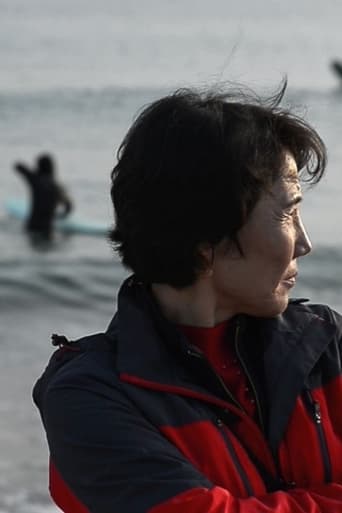
Youngsoon defected from North Korea in 2007. Her husband killed himself and her eldest son is in North Korea. She does her best for her little son who came with her. But he thinks that his mother only loved his big brother in the North and resents her for having brought him to South Korea only to be stigamatised as North Korean defector. Youngsoon, who was born as the daughter of a South Korean prisoner of war detained in North Korea, was always poor and her only hope was her eldest son with exceptional talents. To her, her little son is more work than hope.
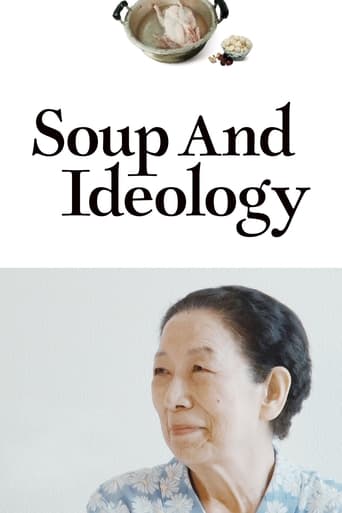
Confronting half of her mother’s life—her mother who had survived the Jeju April 3 Incident—the director tries to scoop out disappearing memories. A tale of family, which carries on from Dear Pyongyang, carving out the cruelty of history, and questioning the precarious existence of the nation-state.
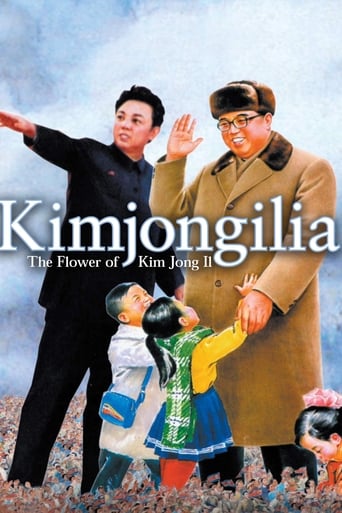
The first film to fully expose the humanitarian crisis of North Korea, this stylish, deeply moving documentary is centered around astonishing interviews with survivors of North Korea's vast and largely hidden prison camps, and interspersed with archival footage of North Korean propoganda films and original art performances.
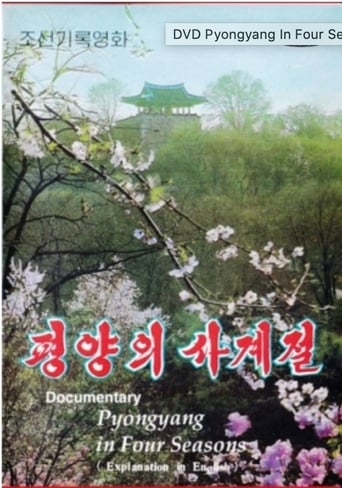
Pyongyang, a city full of happy people and flowers. A city of factories with smiling seamstresses and welders of locomotives. A city of power plants the illuminate department stores offering the fruits of the labour of its workers and peasants. Everybody spends their free time in sports palaces with synchronized swimming and white doves, or in the palace of cultures, where young pioneers play the accordion. Old men and women go on walks and young lovers rent boats by the river, above which arches a rainbow, a symbol of happiness and contentment.