


Documentary
Overview
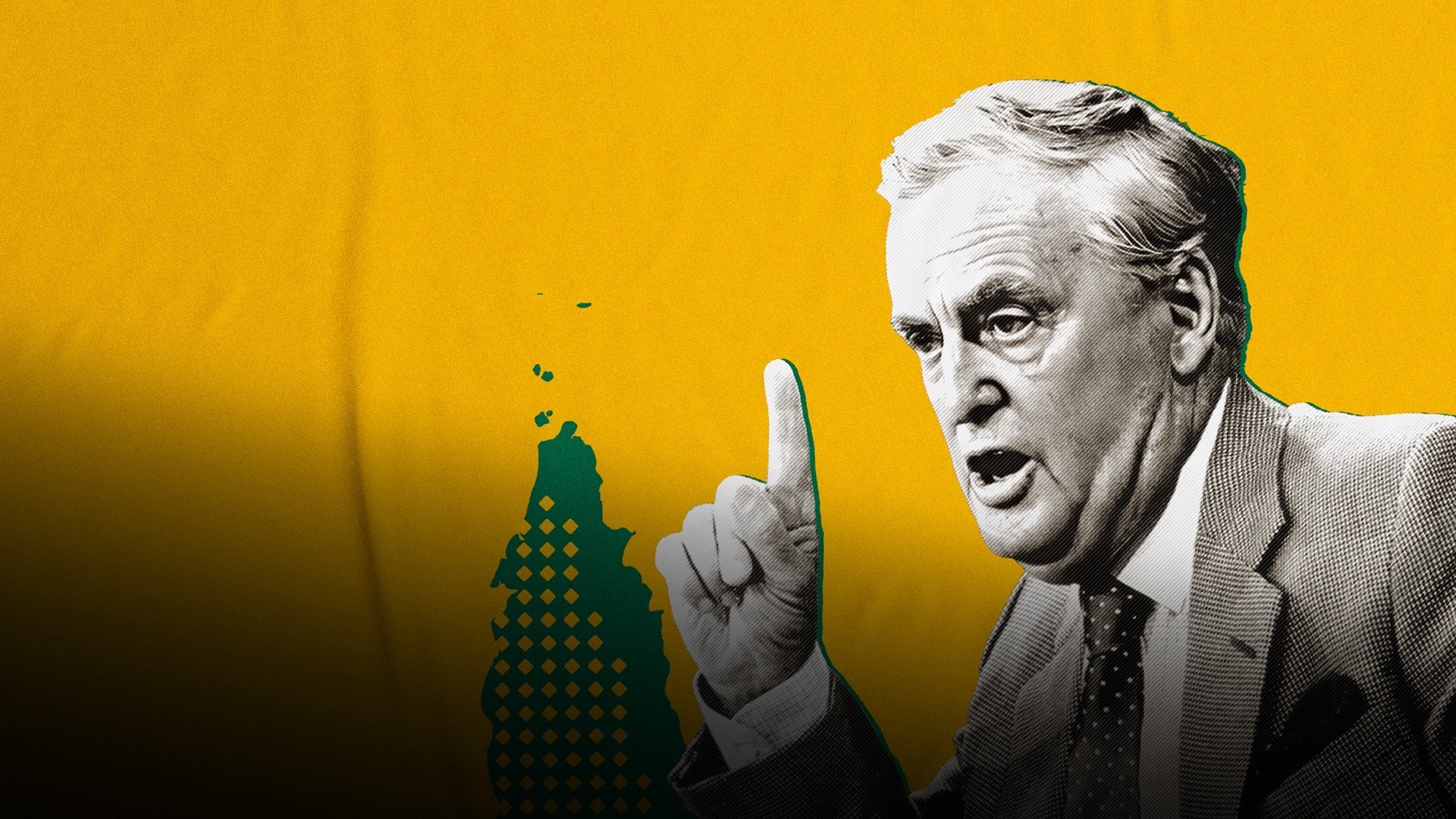
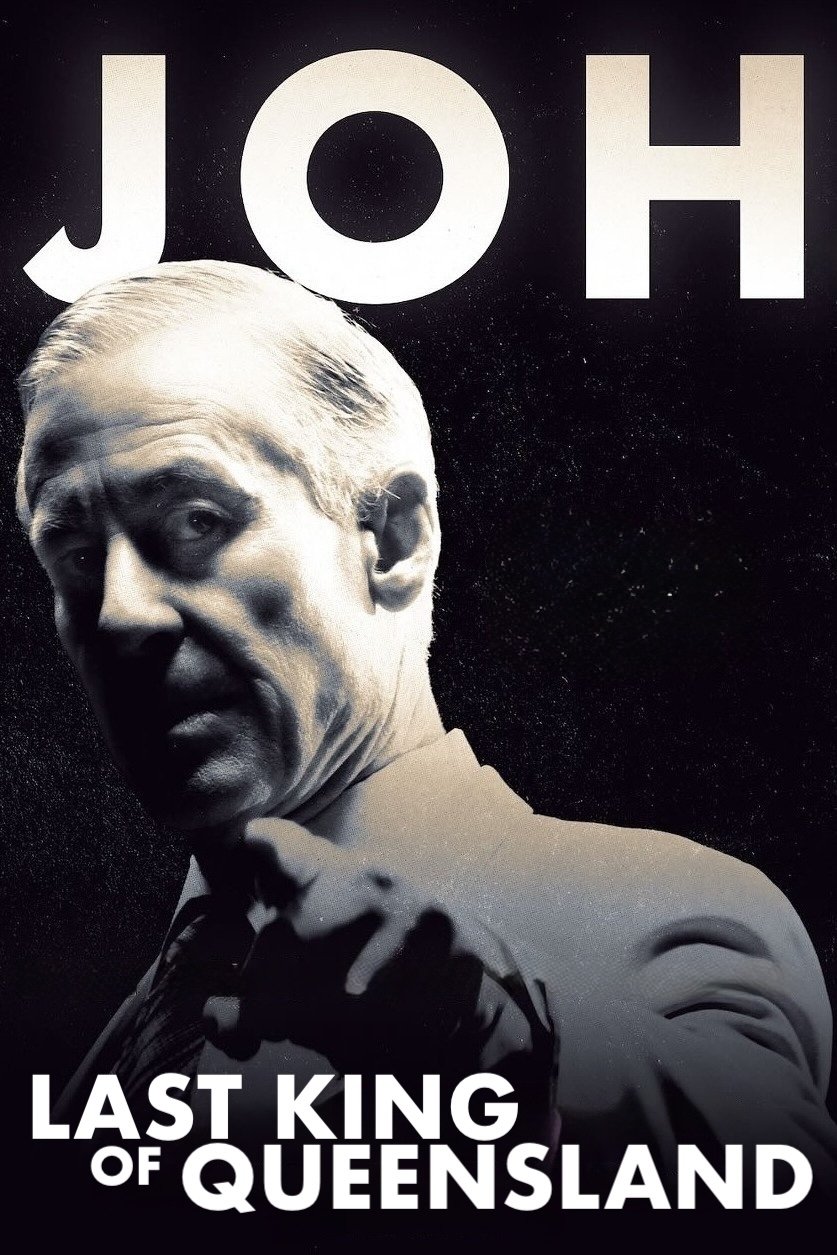
Premier Joh Bjelke-Petersen reigned over Queensland for 19 tumultuous years (1968–1987). Hugely popular, he presided over enormous growth, but corruption raged under his tenure, as did electoral manipulation and often violent suppression of dissent. This film tells Joh’s story through rare archival footage and revelatory interviews, exploring a life shaped by a hard yakka, god-fearing upbringing on his family’s farm. Trump’s spectre is evoked in Joh’s famously mangled and meandering way of speaking – brilliantly dramatised by Richard Roxburgh – alongside his unyielding execution of power and the desperate denial of his final days in office.







Joh Bjelke-Petersen
Joh Bjelke-Petersen
Self (archival)
Joh Bjelke-Petersen
Self (archival)
Matthew Condon
Matthew Condon
Self
Matthew Condon
Self
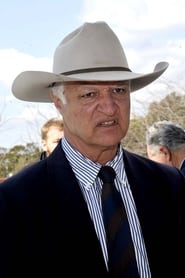
Bob Katter
Bob Katter
Self
Bob Katter
Self

Richard Roxburgh
Richard Roxburgh
Joh Bjelke-Petersen
Richard Roxburgh
Joh Bjelke-Petersen
Lindy Morrison
Lindy Morrison
Self
Lindy Morrison
Self
Ed Kuepper
Ed Kuepper
Self
Ed Kuepper
Self
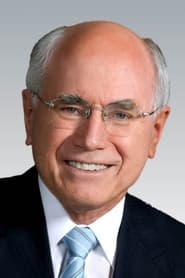
John Howard
John Howard
Self
John Howard
Self
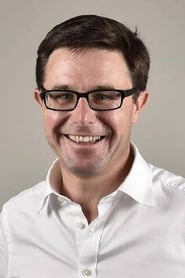
David Littleproud
David Littleproud
Self
David Littleproud
Self
Similar Movies
Across a 45-year career ‘The Oils’ helped shape modern Australia with anthems like “US Forces”, “Beds Are Burning” and “Redneck Wonderland”. Featuring unseen footage and interviews with every band member, alongside signature moments including the outback tour with Warumpi Band, their Exxon protest gig in New York and those famous “Sorry” suits at the Sydney Olympics, Midnight Oil: The Hardest Line traces the journey of Australia’s quintessential rock band.
Dino Bird is a visually spectacular one-hour film that explores the life of the endangered southern cassowary through the eyes of matriarch Bertha, as she and her family strive to survive in the tropics of northern Queensland in the oldest rainforest on Earth. Over the course of one tumultuous season, Bertha, her partner and her chicks battle fearsome predators and formidable rains, but also play an invaluable role in sustaining life in this ecological hotspot. Dino Bird is an intimate and rarely seen portrait of one of Australia's last remaining southern cassowaries.
About Aborigines and Australian politics. On 13 March 1978 the Queensland Government announced its intention to take over management of the Aurukun Aboriginal Reserve from the Uniting Church. The people of Aurukun complained bitterly, believing that the Church was more sympathetic to their aims and fearing that the State was merely seeking easier access to the rich bauxite deposits on their Reserve. When the Federal Government took the side of the Aborigines the stage was set for national confrontation. Shows the situation at Aurukun during those crucial three weeks.
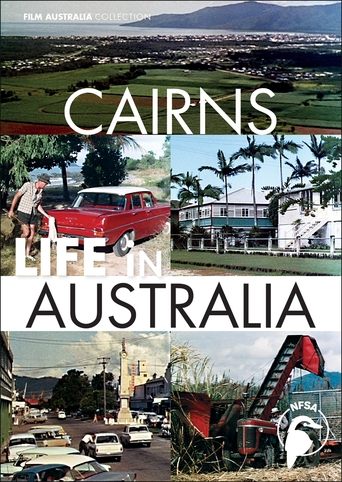
A small city in the tropical north of Queensland, Cairns boasts a life that is leisurely and comfortable. The tempo quickens, however, at cane-cutting time when the sugar is harvested, and in winter when tourists come north to escape the cold. The Life In Australia series portrays Australian cities and rural centres as happy, lively places where good homes, abundant jobs, schools, hospitals and amenities provide the foundation for a relaxed lifestyle where sport, shopping, religion and even art combine to create a homogenous and prosperous society.
In 1945, at the age of seven, a young Joe Eggmolesse was diagnosed with Leprosy. He was immediately removed from his family and home and transported under police escort over a thousand kilometres to be confined on an island for the treatment of the disease. For the next ten years, a leprosarium for Aboriginal people became his home. A lush tropical idyll off the north east coast of Australia, Fantome Island was the home to a close knit community of indigenous 'lepers' who made the most of their existence as people living on the fringes of the marginalised. Now as a 73 year old Joe reflects on his indelible Fantome years. His incredible, poignant story offers a profound insight into one of Australia's hidden histories.
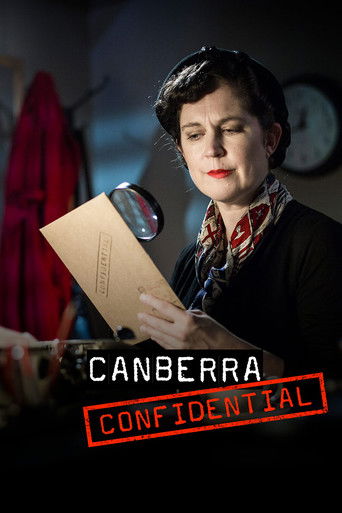
A journey through the dark, chilling and frequently unbelievable tales of power-broking and deceit from inside the nation's capital. Australian political journalist and commentator Annabel Crabb goes in search of Canberra's secrets over the past century, exploring the passionate interplay of sex, secrets and subterfuge that has long been carried out in the shadows of the national stage. How have our secrets changed over the past century and what does this reveal about us as a society? This is the history that Canberra has tried to hide.