

Temporary Identity
Documentary
Overview
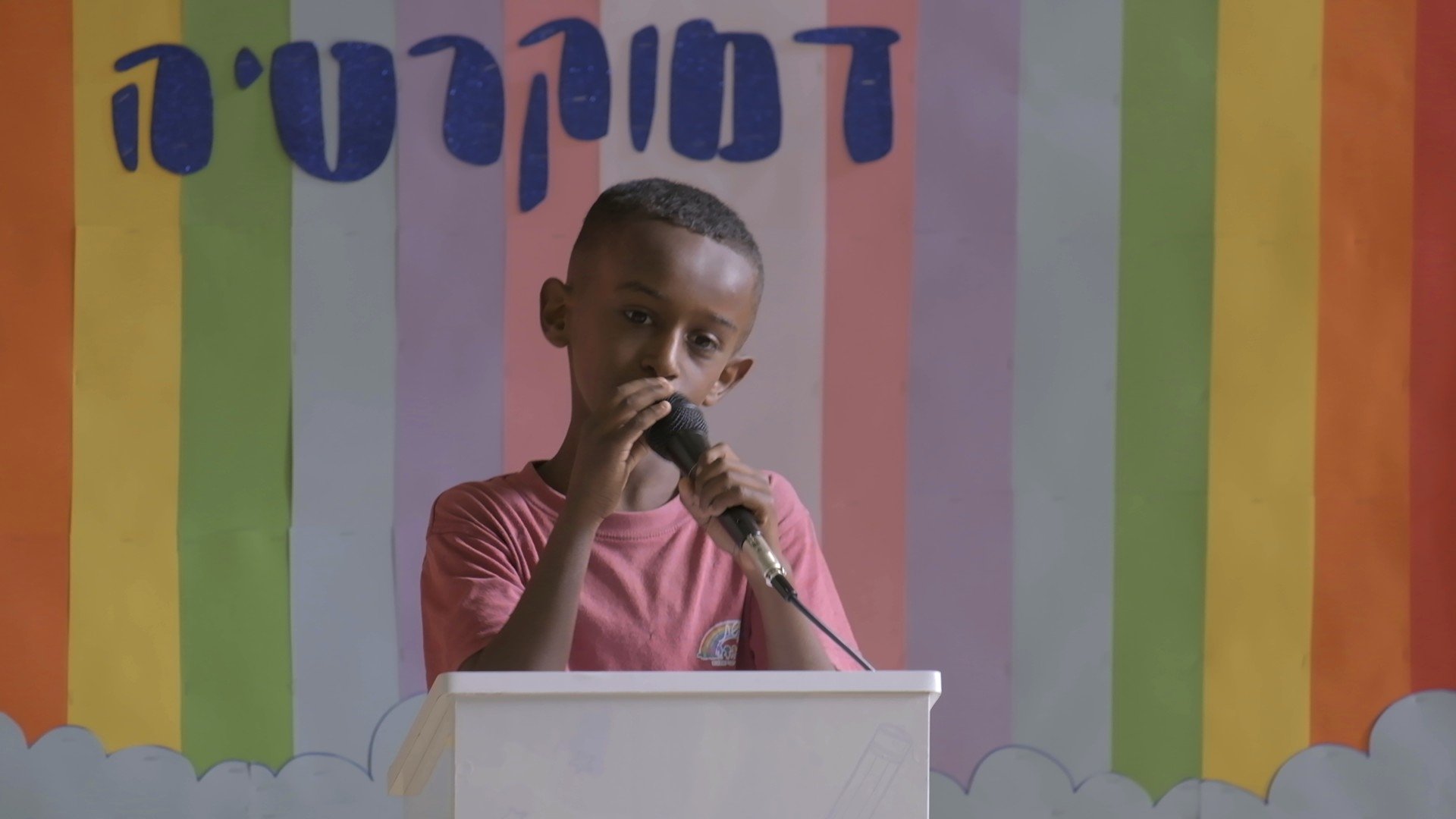
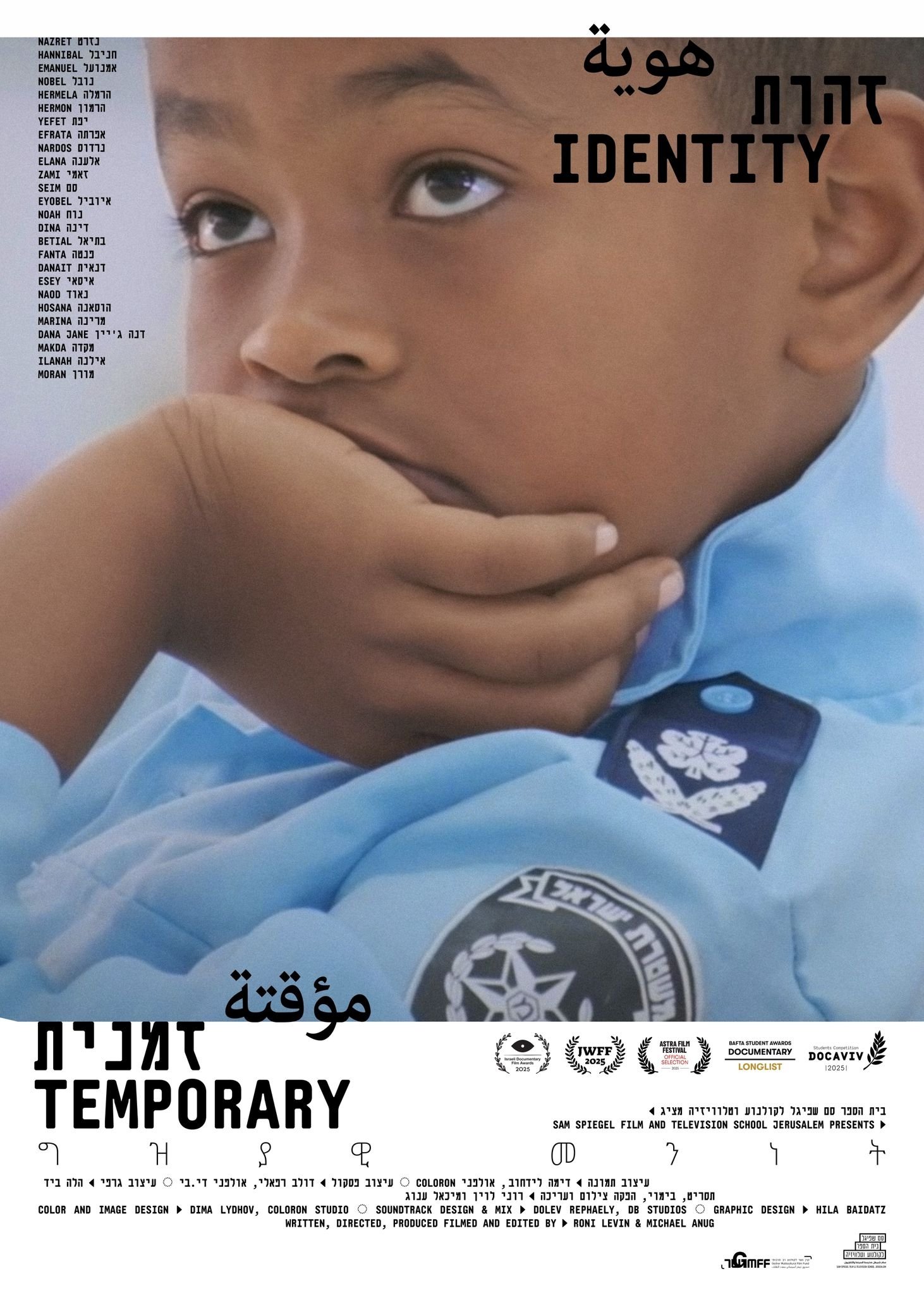
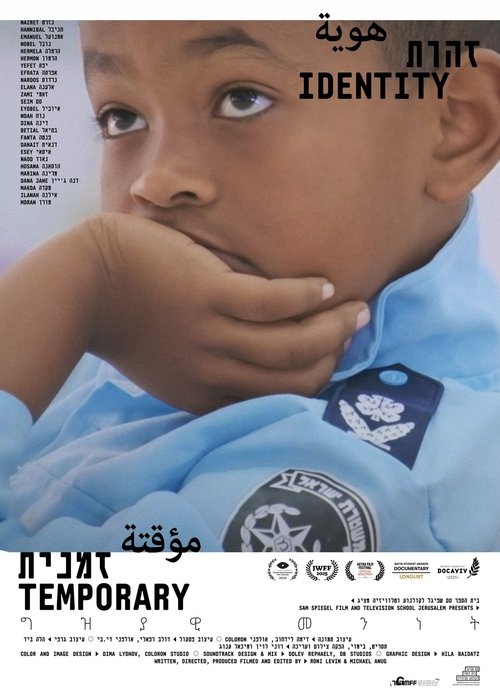
What does it mean to belong to a place, a country? In a south Tel Aviv elementary school, that question is addressed head-on by a fourth-grade class and their teacher. The children are asylum seekers whose families mostly do not have a legal status in Israel, yet learn, sing and play in Hebrew all the while examining their identity and sense of belonging.
No cast information.
Similar Movies
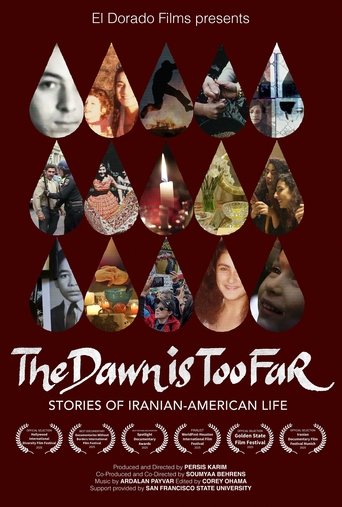
The Dawn is Too Far: Stories of Iranian-American Life poetically narrates the story of a community of Iranian Americans who have made the San Francisco Bay Area their home over the past five decades. The film explores Iranian immigration through turbulent histories of dissent, revolution, war, and separation, and the reinvention of identity in a new land and culture. The Dawn is Too Far highlights how Iranian students, activists, and artists have navigated displacement while drawing on and influencing Bay Area culture. This community offers a more nuanced story of the Iranian diaspora—the ways that this community enriches the region where they live, work, and build families. The Dawn is Too Far undermines the tired and overplayed news headlines that are dominated by narratives of enmity and mistrust between the government of Iran and the U.S., to offer a more humane understanding of the how people's lives and the sacrifices they make are part of the larger story of immigration.

In Monarch's Antarctic Base, a frozen fortress buffeted by screaming winds and surrounded by impenetrable ice, King Ghidorah shakes off his icy slumber and escapes in one of the film's most thrilling sequences. Join the filmmakers as they reveal how King Ghidorah was brought to terrifying life inside Monarch's underground biolab with its towering ice wall.
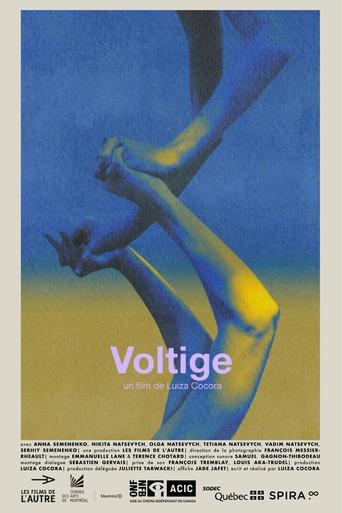
Anna, a twelve-year-old Ukrainian gymnast, has fled her war-torn country and recently settled in Montreal with her mother, younger brother, and grandmother. Confronted by the past, the challenges of exile, and a deep need for belonging, she seeks to rebuild her identity and regain her balance. Through her child’s perspective, the documentary explores the reality of life after war, questioning what endures and what is missing, even when one has found refuge.
A short documentary on the "Harlem Street Singer," blues artist Rev. Gary Davis. Features footage of his neighborhood, Davis talking about his upbringing, and two performances including "Death Don't Have No Mercy." Benefiting from New York's folk revival in the 1960s, Davis influenced artists such as Dave Van Ronk, Bob Dylan, and the Grateful Dead.

Inside a shelter, participants in a talking circle share their experiences of intimate partner violence as a way to regain their dignity and strength to act. Powerfully empathetic, Après-coups creates a space of sisterhood and solidarity—a chorus of voices breaking down the walls of silence.