

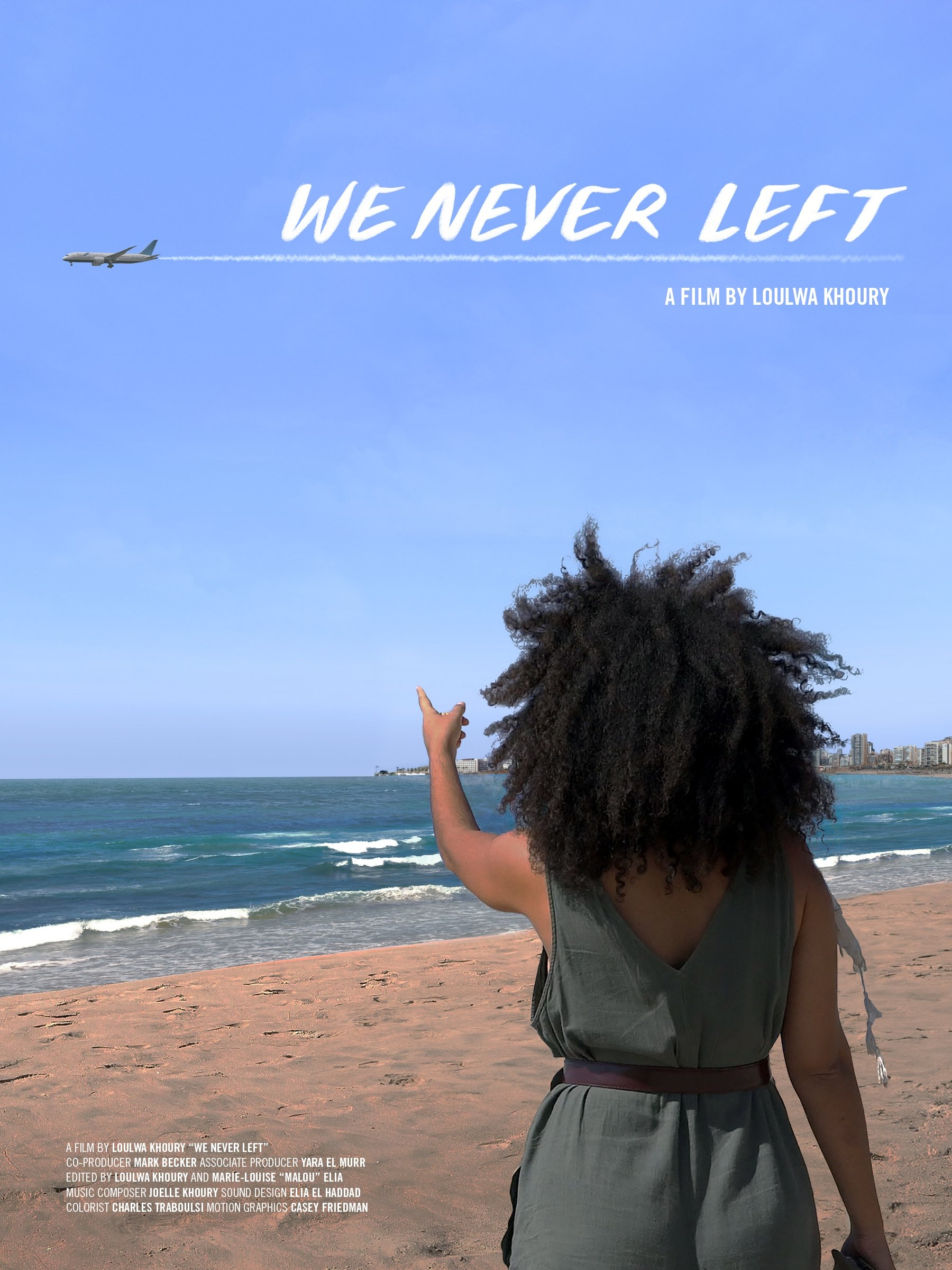
We Never Left
Documentary
Overview
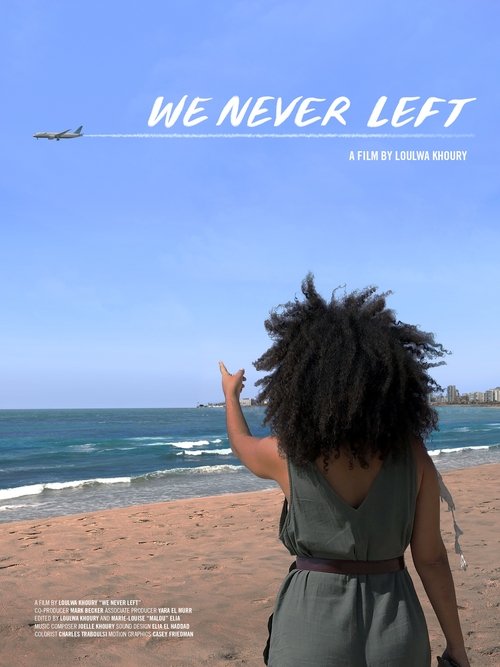
Set during the Lebanese revolution, WE NEVER LEFT portrays a heart-wrenching duality between Beirut and New York, an impassioned testament to the Lebanese diaspora’s unrequited but irrepressible love for their homeland.






No cast information.
Similar Movies
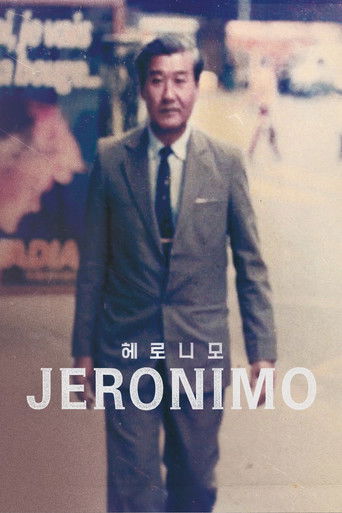
Born to Korean immigrant parents freed from indentured servitude in early twentieth century Mexico, Jerónimo Lim Kim joins the Cuban Revolution with his law school classmate Fidel Castro and becomes an accomplished government official in the Castro regime, until he rediscovers his ethnic roots and dedicates his later life to reconstructing his Korean Cuban identity. After Jerónimo's death, younger Korean Cubans recognize his legacy, but it is not until they are presented with the opportunity to visit South Korea that questions about their mixed identity resurface.
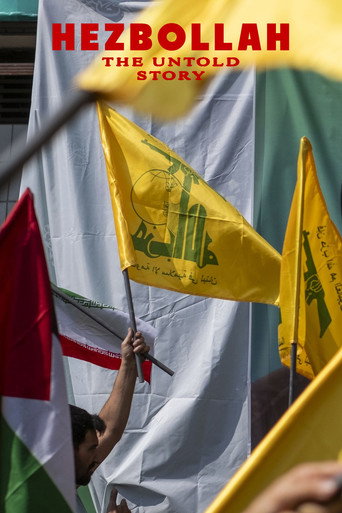
Born from war and shaped by conflict, the Lebanese resistance has endured decades of battles, invasions, and geopolitical shifts. This documentary traces its rise, its defining moments, and the sacrifices that kept it standing. But with the region in turmoil and Syria fallen and one question remains—how much longer can the resistance hold its ground?

The decision to move to Holland doesn't sound like a wise idea. Why move to a country that could be flooded at any moment? For the last 25 years, the political climate has shifted. The public debate on migration has become harsher, more heated, and polarized. What would have been considered right-wing xenophobia back then, is now considered mainstream. Populists simplify complex realities into good and evil, victims and perpetrators: ‘us’ versus ‘them’. Their rhetoric often consists of dehumanizing words and metaphors. One of these is ‘water’. In reality, water is not an immediate threat to the average Dutch person; but it is a huge threat to the thousands trying to reach the Netherlands. People trying to survive the Mediterranean Sea in rubber boats. Trying to survive winter on the Aegean coast in primitive tents. To them, water really is deadly.
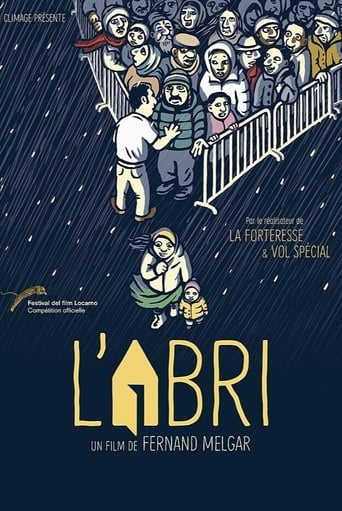
It is winter at an emergency shelter for the homeless in Lausanne. Every night at the door of this little-known basement facility the same entry ritual takes place, resulting in confrontations which can sometimes turn violent. Those on duty at the shelter have the difficult task of “triaging the poor”: the women and children first, then the men. Although the total capacity at the shelter is 100, only 50 “chosen ones” will be admitted inside and granted a warm meal and a bed. The others know it will be a long night.
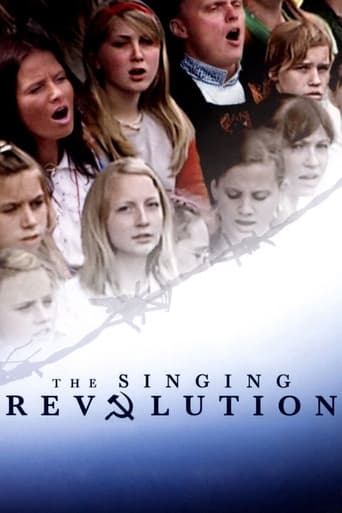
Most people don't think about singing when they think about revolutions. But song was the weapon of choice when, between 1986 and 1991, Estonians sought to free themselves from decades of Soviet occupation. During those years, hundreds of thousands gathered in public to sing forbidden patriotic songs and to rally for independence. "The young people, without any political party, and without any politicians, just came together ... not only tens of thousands but hundreds of thousands ... to gather and to sing and to give this nation a new spirit," remarks Mart Laar, a Singing Revolution leader featured in the film and the first post-Soviet Prime Minister of Estonia. "This was the idea of the Singing Revolution." James Tusty and Maureen Castle Tusty's "The Singing Revolution" tells the moving story of how the Estonian people peacefully regained their freedom--and helped topple an empire along the way.