

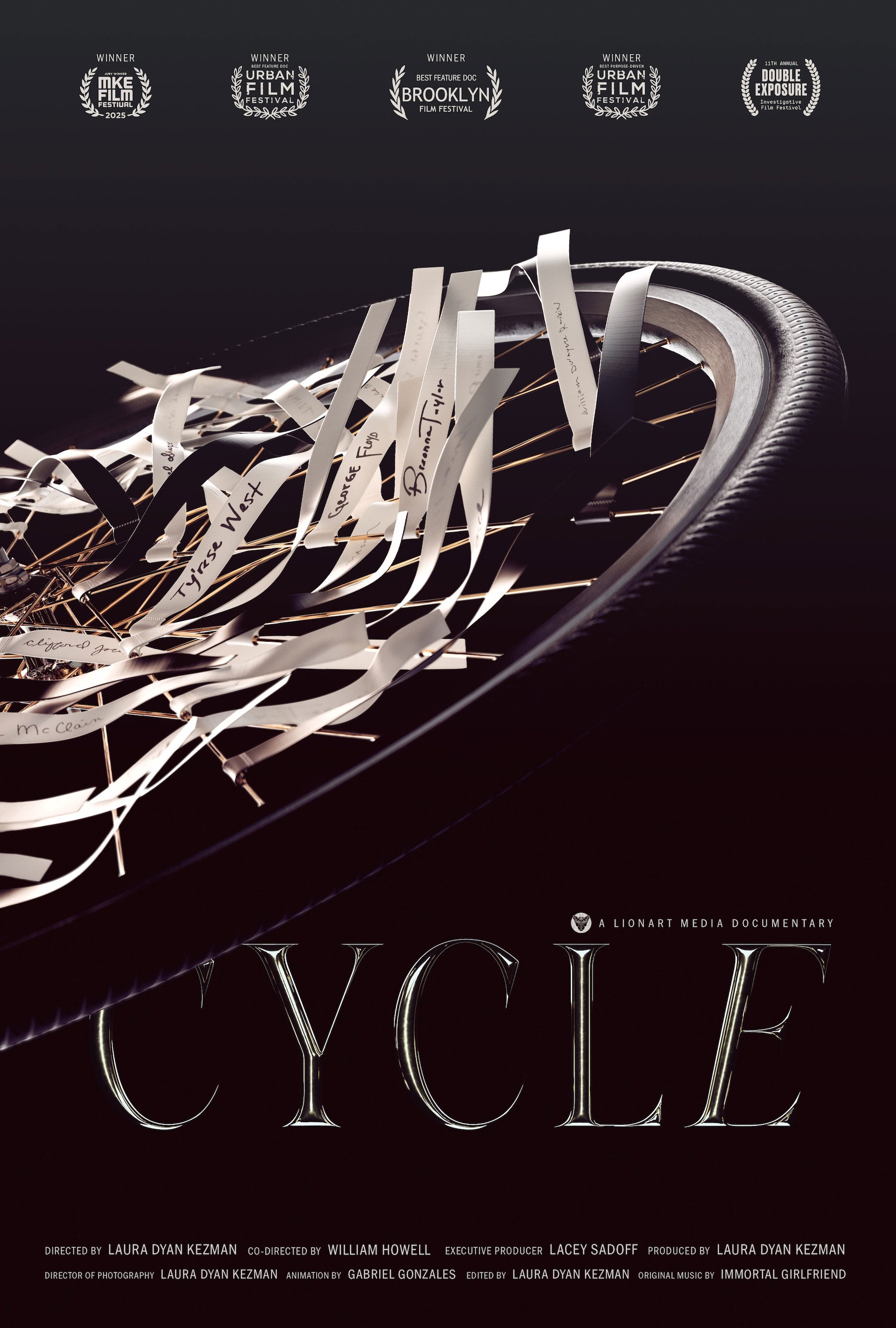
CYCLE
Documentary
Overview
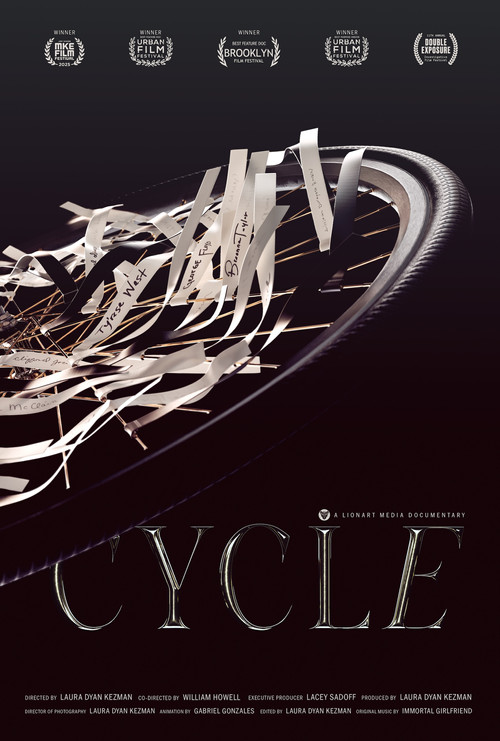
CYCLE pierces the silence surrounding police violence in America through the killing of Ty’rese West, an 18-year-old Black teenager whose death at the hands of police occurred without cameras, witnesses, or public scrutiny. In the absence of visual evidence, his case slipped quietly out of view—mirroring a broader pattern in which accountability depends on what can be seen. The film follows the aftermath of an unseen death: closed courtrooms, shifting official narratives, and the toll of pursuing answers within opaque systems of power. Rather than relying on the virality of a moment, CYCLE examines how silence functions within institutions, and how families are left to carry truth forward when justice fails.


No cast information.
Similar Movies
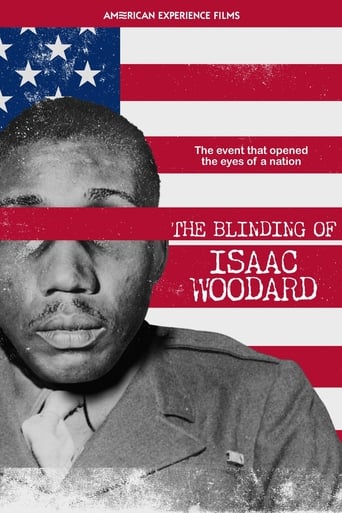
In 1946, Isaac Woodard, a Black army sergeant on his way home to South Carolina after serving in WWII, was pulled from a bus for arguing with the driver. The local chief of police savagely beat him, leaving him unconscious and permanently blind. The shocking incident made national headlines and, when the police chief was acquitted by an all-white jury, the blatant injustice would change the course of American history. Based on Richard Gergel’s book Unexampled Courage, the film details how the crime led to the racial awakening of President Harry Truman, who desegregated federal offices and the military two years later. The event also ultimately set the stage for the Supreme Court’s landmark 1954 Brown v. Board of Education decision, which finally outlawed segregation in public schools and jumpstarted the modern civil rights movement.
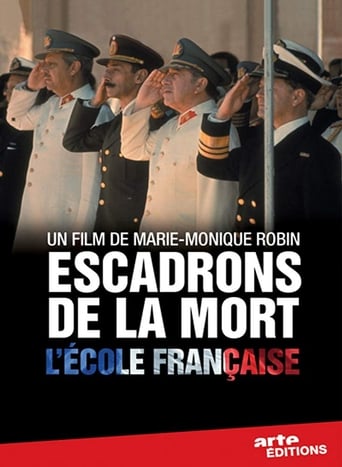
After the Battle of Algiers, France and its army exported, as true experts, anti-subversive methods to Latin America and the United States in the 1960s. After more than a year of investigation in Argentina , in Chile, Brazil, the United States and France, the director collected, sometimes under the cover of a hidden camera, recorded conversations, the exclusive testimonies of the main protagonists. From General Aussaresses to former Minister of the Armed Forces Pierre Messmer, including General Reynaldo Bignone (head of the military junta in Argentina from 1982 to 1984), General Albano Harguindéguy, General Manuel Contreras, and Generals John Johns and Carl Bernard, this investigation gives us a hidden reality of the country of Human Rights.
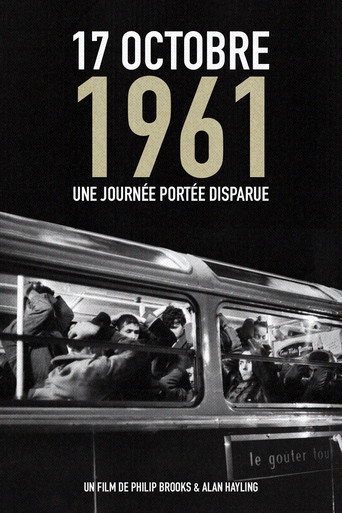
This documentary bears witness to the events that took place more than thirty years before the filming of this movie, on October 17, 1961, in Paris, during the Algerian War. It is a work not only about historical truth but also about memory. Constructed primarily from interviews conducted with those involved in the events, along with archival footage, photographs, and radio broadcasts from the time, our investigation proves that nearly 200 Algerians were killed (drowned, tortured) that night and in the days that followed by the French police. "A Missing Day" seeks to ask two key questions: how could such events have unfolded in the capital of a Western democracy barely thirty years ago? And why have they been silenced ever since?

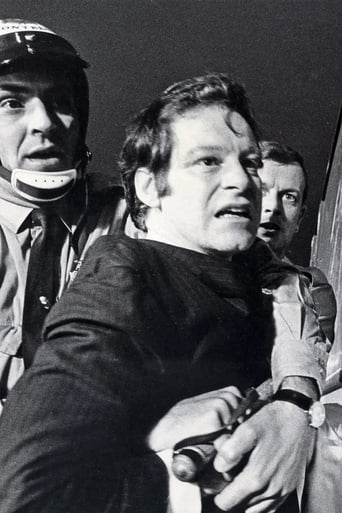
A girl from St. Petersburg walks around protest-ridden Moscow, talking to riot police and believing that sooner or later they will go over to the side of the demonstrators. An 18-year-old student of a St. Petersburg college introduces herself as Alice and tells about herself that from the age of four she lived in an orphanage and in foster families. In Moscow, Alisa, for whom this is the first rally in her life, walks along the police cordons and looks under the OMON helmet. "Under the mask you can't see, are you even human?"

In response to the call of the Front de libération nationale (F.L.N., the National Liberation Front), thousands of Algerians from Paris and its surroundings march on October 17, 1961, to protest against the curfew imposed on them. This peaceful demonstration will be violently put down by the police. 50 years on, the filmmaker sheds light on this still taboo subject. Blending testimony and unseen archive footage, history and memory, past and present, the film relates the different stages in these events and reveals the strategy and methods applied at the highest level of the French state: manipulation of public opinion, the systematic challenge of every accusation, the censoring of information in order to prevent investigation.
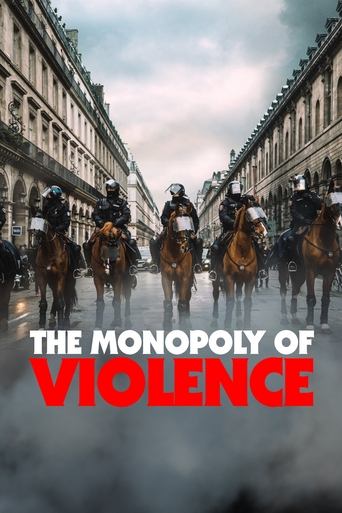
As anger and resentment grow in the face of social inequalities, many citizens-led protests are being repressed with an ever-increasing violence. In this documentary, David Dufresne gathers a panel of citizens to question, exchange and confront their views on the social order and the legitimacy of the use of force by the State.
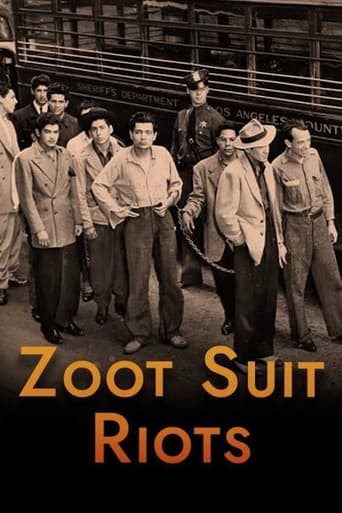
On August 1, 1942, a 22-year-old Mexican American man was stabbed to death at a party. To white Los Angelenos, the murder was just more proof that Mexican American crime was spiraling out of control. The police fanned out across LA, netting 600 young Mexican American suspects. Almost all those taken into custody were wearing the distinctive uniform of their generation: Zoot Suits. The tragic murder and the injustice of the trial that followed, coupled with sensational news coverage of both, fanned the flames of the racial hostility that was already running rife in the city. Within months of the verdict, Los Angeles was in the grip of some of the worst violence in its history.
Bill Moyers takes a piercing look at how global economic changes are destroying the lives and livelihoods of hardworking Americans. The documentary follows several individuals and their families in Milwaukee, Wisconsin, as they fight to make ends meet in the “new economy.” In sheer numbers, more jobs were created than lost in America during the last decade, but a look behind those numbers reveals a shortage of jobs that pay enough to support a family. The program intimately portrays the lives of workers and their families as they struggle to make it in today’s job market.
Bill Moyers tells the story of several hardworking Milwaukee families struggling with low-paying jobs after previous employers downsized their operations. Filmed over a period of five years, these families were first featured in Moyers’s 1992 documentary ‘Minimum Wages: The New Economy.’ FRONTLINE chronicles the families’ emotional and financial strains, their search for better jobs and job retraining, and looks at Milwaukee’s efforts to adapt to an ever-shrinking industrial sector.
The personal stories lived by the Uncle, the Father and the Son, respectively, form a tragic experience that is drawn along a line in time. This line is comparable to a crease in the pages of the family album, but also to a crack in the walls of the paternal house. It resembles the open wound created when drilling into a mountain, but also a scar in the collective imaginary of a society, where the idea of salvation finds its tragic destiny in the political struggle. What is at the end of that line? Will old war songs be enough to circumvent that destiny?