

The Scars
Documentary · Drama
Overview
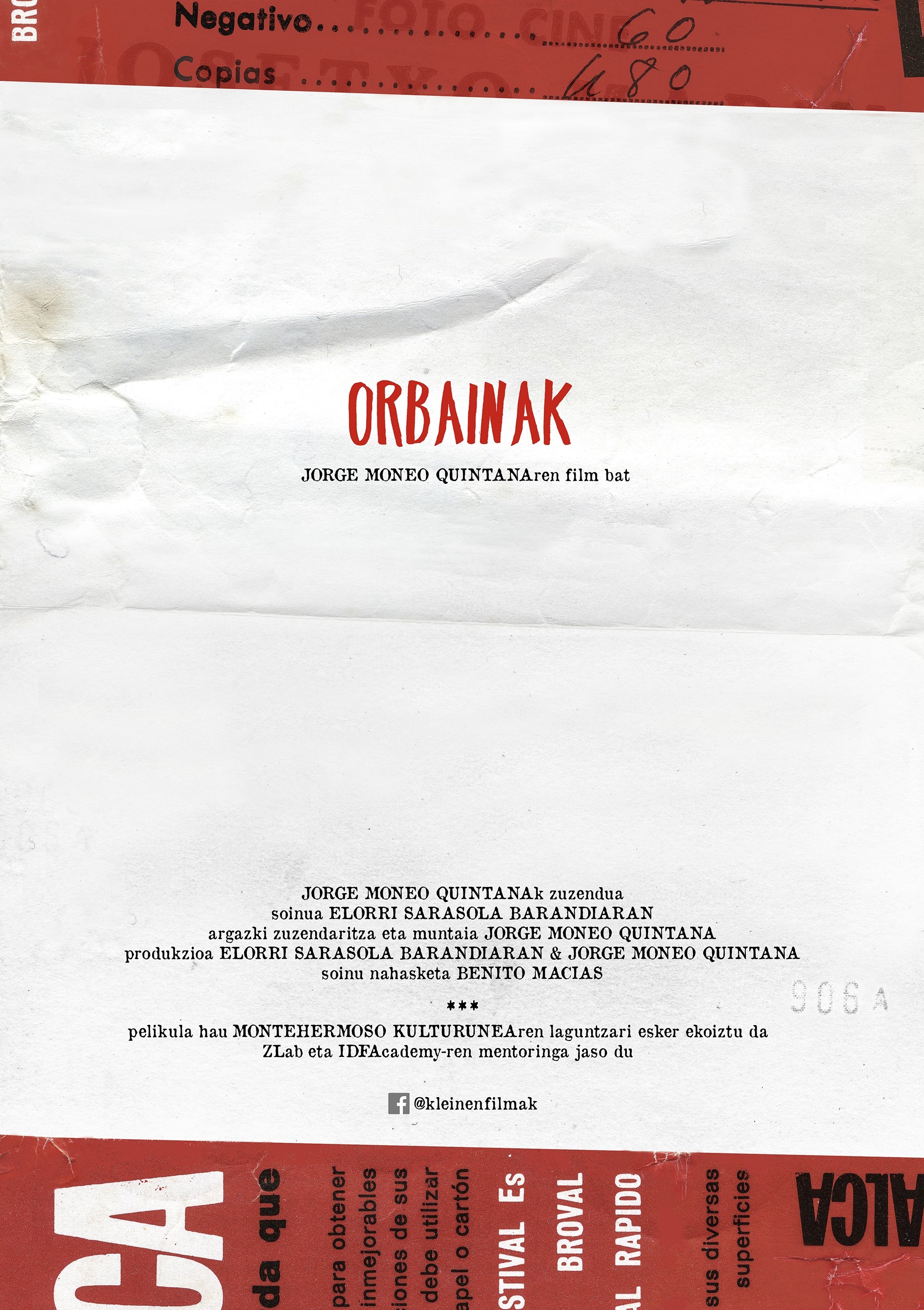
The personal stories lived by the Uncle, the Father and the Son, respectively, form a tragic experience that is drawn along a line in time. This line is comparable to a crease in the pages of the family album, but also to a crack in the walls of the paternal house. It resembles the open wound created when drilling into a mountain, but also a scar in the collective imaginary of a society, where the idea of salvation finds its tragic destiny in the political struggle. What is at the end of that line? Will old war songs be enough to circumvent that destiny?



No cast information.
Similar Movies
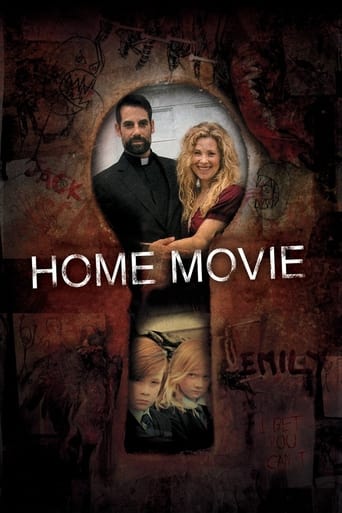
Reverend David Poe and his psychiatrist wife trade hectic New York life for an idyllic rural farmhouse; the perfect place for 10 year old twins Jack & Emily to run, play and imagine. Documenting this lifestyle change, David decides to film every holiday and special family event. To the Poe's horror their home movies reveal an increasing malice and evil within their children.
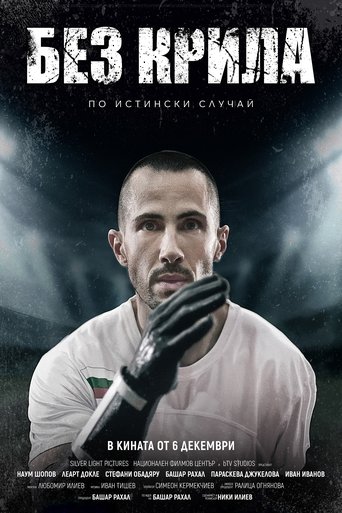
The movie is inspired by the true life story of Bulgarian paralympic ‘Long jump’ triple world champion Mihail Hristov. The film follows Mihail from the moment he loses both his arms in an electric current incident and makes the life-changing decision of becoming a professional athlete as he goes through the catharsis of deciding to start a new life without arms. He goes through a number of difficulties, both on the sports field and in his personal relationships with his parents, his coach, the girl he falls in love with but most of all, the difficulty of accepting what has happened to him. The script traces Mihail's difficult fate from the accident that left him without arms to becoming a triple long jump world champion, inventor of a new type of prosthetics and a motivational speaker.
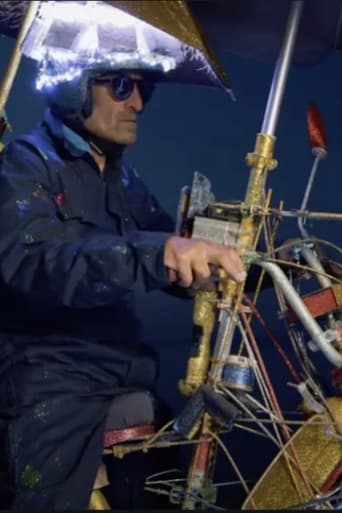
On the outskirts of Augusta lives Orazio: a mechanic by vocation. Due to countless misadventures he cannot open a workshop. To give vent to his anger, he transforms mopeds and scooters into “glittered motorized umbrellas.” Glitter helmets and hyper-colored decorations dress him up; thus begins his passion for “light” understood as a superior force.
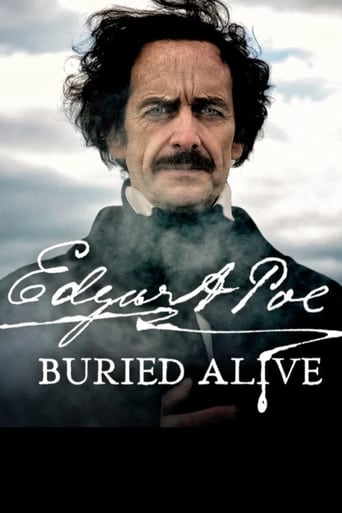
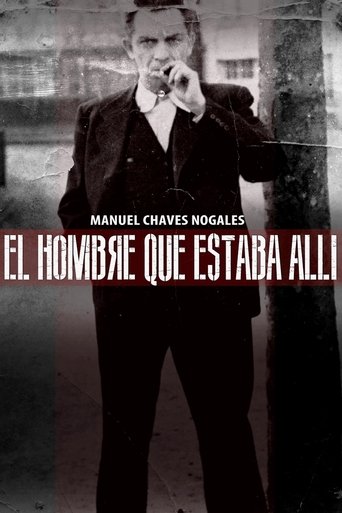
The Spanish journalist Manuel Chaves Nogales (1897-1944) was always there where the news broke out: in the fratricidal Spain of 1936, in Bolshevik Russia, in Fascist Italy, in Nazi Germany, in occupied Paris or in the bombed London of World War II; because his job was to walk, see and tell stories, and thus fight against tyrants, at a time when it was necessary to take sides in order not to be left alone; but he, a man of integrity to the bitter end, never did so.