


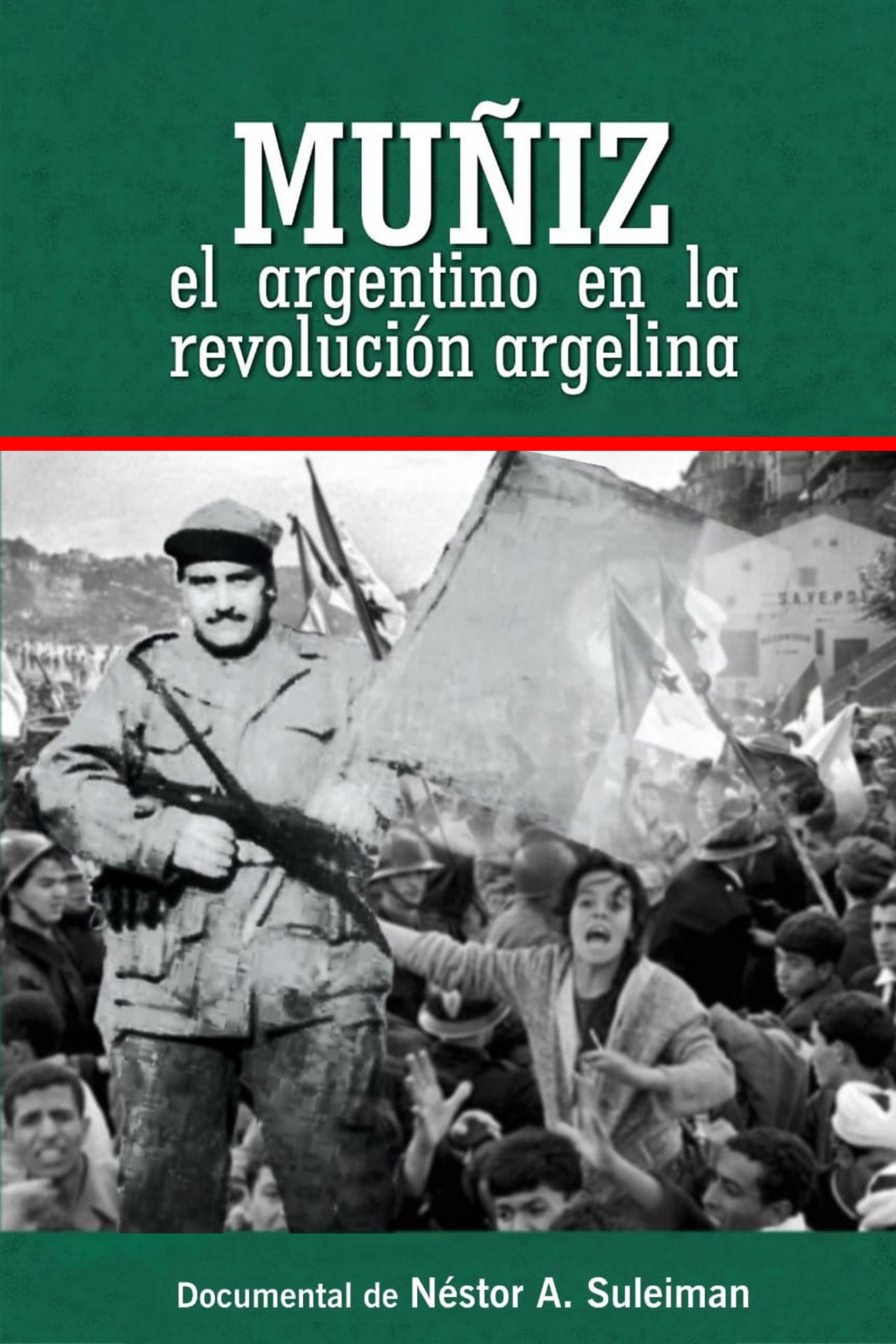
Muñiz, The Argentinian In The Algerian Revolution
Documentary · History
Overview
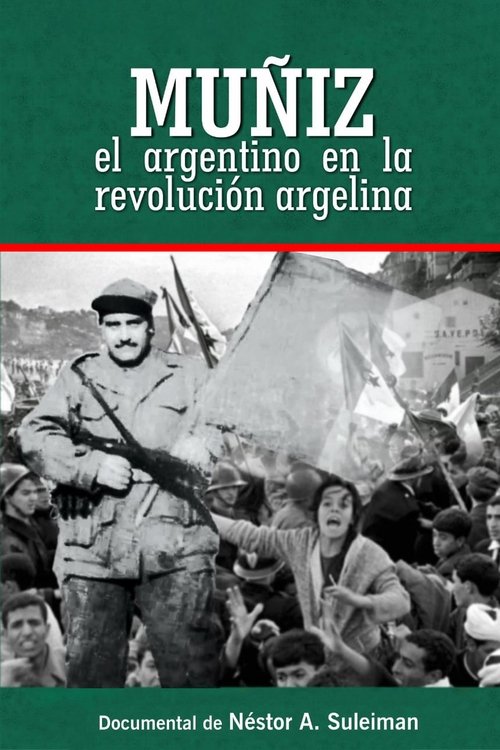
Roberto Muniz, nicknamed "Mahmoud the Argentinian," was a revolutionary fighter who joined the National Liberation Army in 1959 to support the Algerian cause in the war of independence against France. He joined a clandestine group that manufactured weapons and ammunition to be transported to Algeria to support the revolution that began in 1954. After the war, the Algerian government invited the mujahid to stay, an offer he accepted to begin a new life as an employee of Sonnelgaz and a member of the General Union of Algerian Workers (UGTA), accompanied by his wife Alfonsa, a textile union activist who came from Argentina to join this North African adventure.
Top Cast



Roberto Muñiz
Roberto Muñiz
Self
Roberto Muñiz
Self
Similar Movies
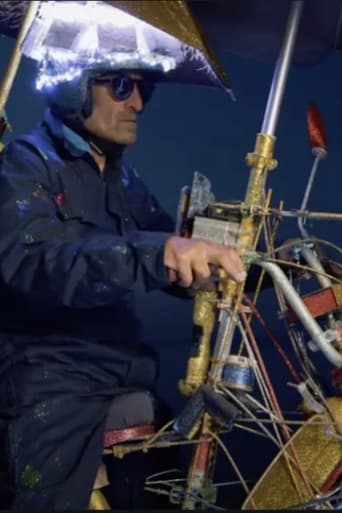
On the outskirts of Augusta lives Orazio: a mechanic by vocation. Due to countless misadventures he cannot open a workshop. To give vent to his anger, he transforms mopeds and scooters into “glittered motorized umbrellas.” Glitter helmets and hyper-colored decorations dress him up; thus begins his passion for “light” understood as a superior force.
The Spanish journalist Manuel Chaves Nogales (1897-1944) was always there where the news broke out: in the fratricidal Spain of 1936, in Bolshevik Russia, in Fascist Italy, in Nazi Germany, in occupied Paris or in the bombed London of World War II; because his job was to walk, see and tell stories, and thus fight against tyrants, at a time when it was necessary to take sides in order not to be left alone; but he, a man of integrity to the bitter end, never did so.
Assigned to oversee the development of the atomic bomb, Gen. Leslie Groves is a stern military man determined to have the project go according to plan. He selects J. Robert Oppenheimer as the key scientist on the top-secret operation, but the two men clash fiercely on a number of issues. Despite their frequent conflicts, Groves and Oppenheimer ultimately push ahead with two bomb designs — the bigger "Fat Man" and the more streamlined "Little Boy."
This excellent feature-length documentary - the story of the imperialist colonization of Africa - is a film about death. Its most shocking sequences derive from the captured French film archives in Algeria containing - unbelievably - masses of French-shot documentary footage of their tortures, massacres and executions of Algerians. The real death of children, passers-by, resistance fighters, one after the other, becomes unbearable. Rather than be blatant propaganda, the film convinces entirely by its visual evidence, constituting an object lesson for revolutionary cinema.
Franz Schubert toils by day as his father’s clerk while secretly composing in Beethoven’s shadow, gaining little recognition until friends persuade publisher Diabelli to host a public performance where he meets and falls for soprano Therese Grob. Abandoning a teaching career, he moves in with artist and poet friends, finds inspiration for the “Erlkönig,” and together with Therese sustains himself by performing his songs.