

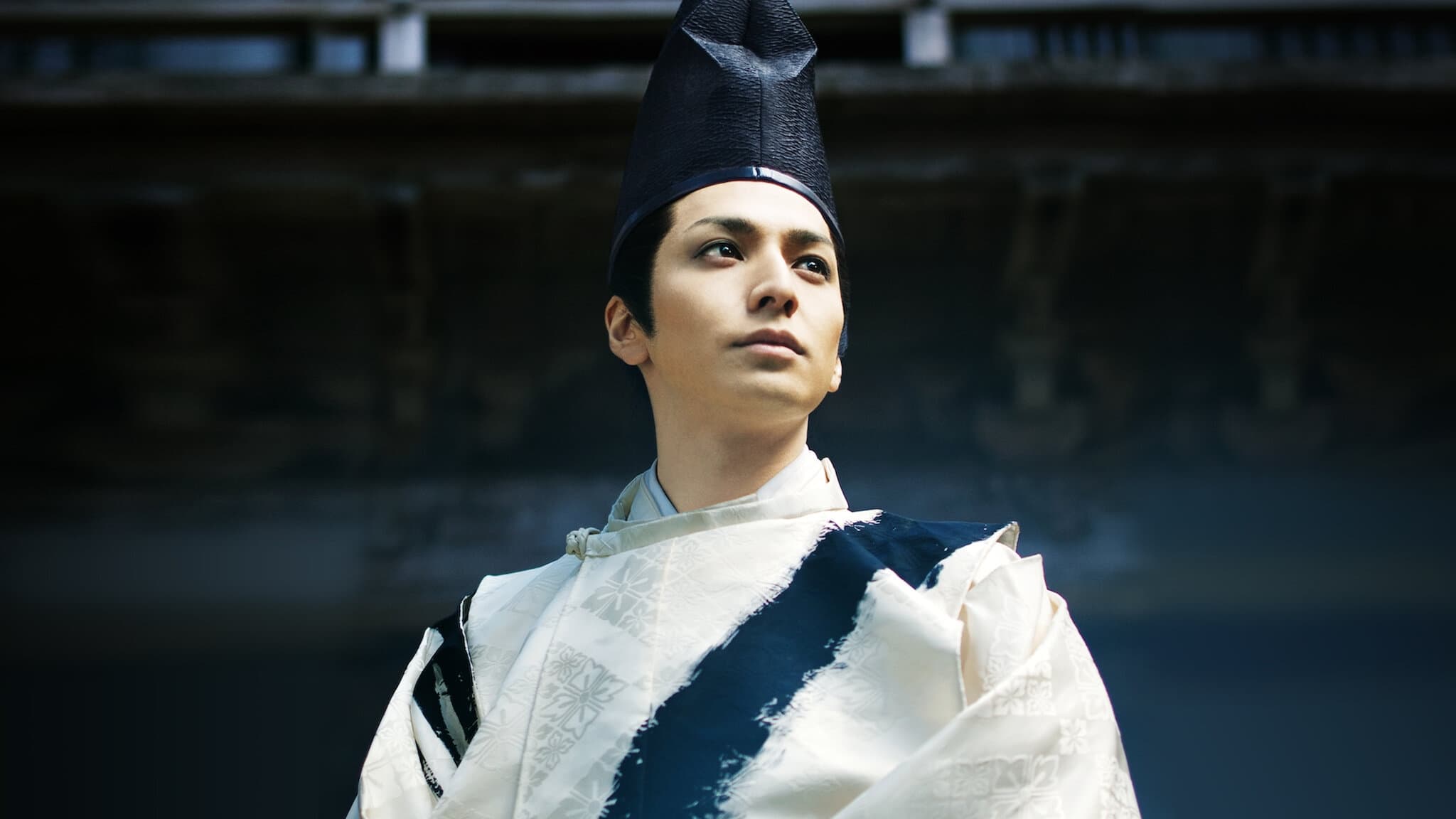
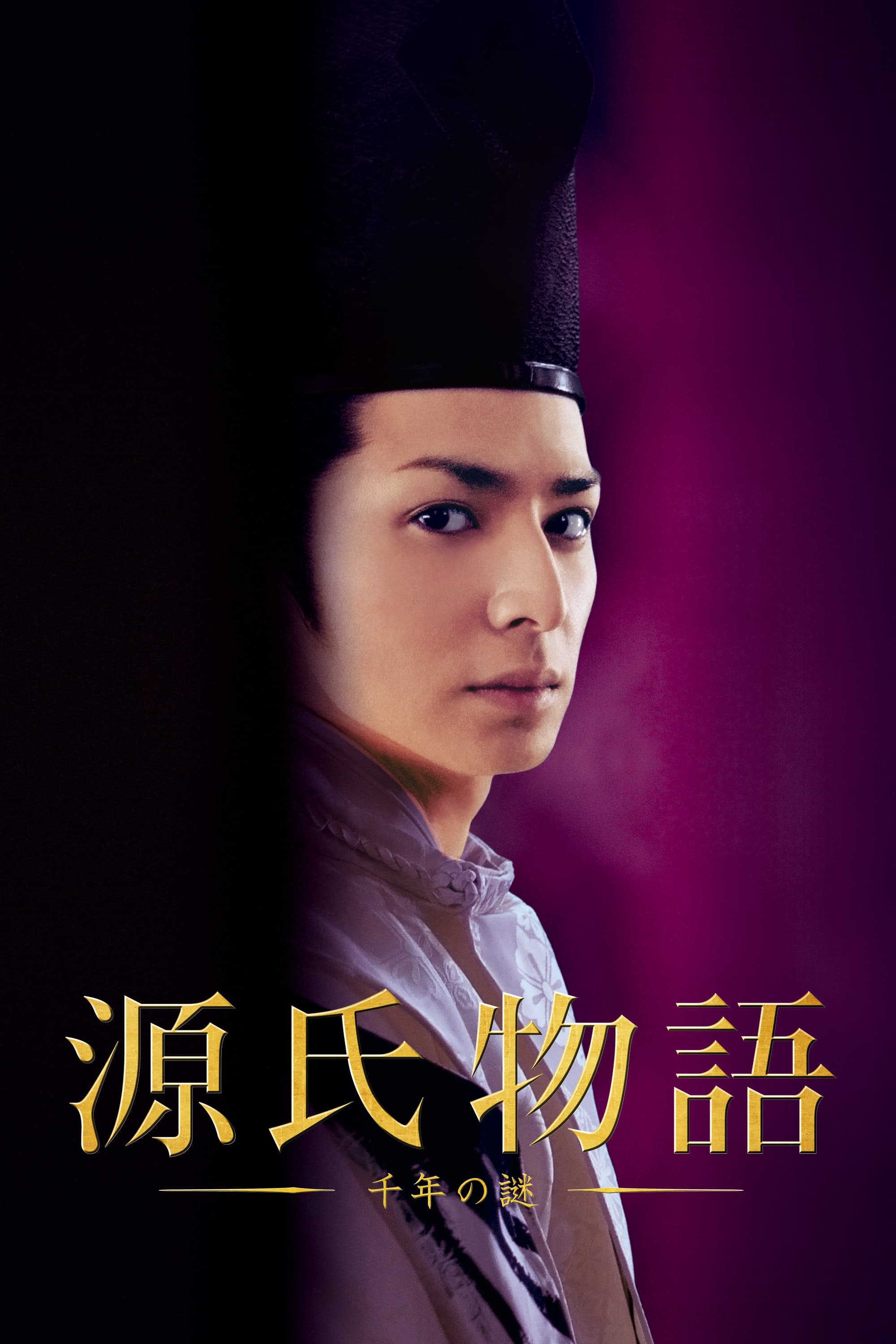
The Tale of Genji: A Thousand Year Enigma
Fantasy · Drama
Overview
"Genji Monogatari" focuses on the love and hate relationships surrounding Genji Hakaru. Lady Fujitsubo is Genji's first love. Ryokuzono Miyasutokoro is obsessed with Genji and eventually becomes a spirit. Yu Kao, who is from the lower class, give comfort to Genji's emotional wounds. Writer Murasaki Shikibu is jealous of Genji and is eventually ordered by Seime Abe to write a work ...
Top Cast

Toma Ikuta
Hikaru Genji

Miki Nakatani
Murasaki Shikibu

Yoko Maki
Fujitsubo

Mikako Tabe
Ai no Ue

Rena Tanaka
Rokujo-no-Miya Sudokoro

Yosuke Kubozuka
Seimei Abe
Noriyuki Higashiyama
Fujiwara Michinaga

Shigeru Muroi
Kokiden Lady

Misako Renbutsu
Fujiwara no Shoshi
Takaaki Enoki
Kiritsubo Emperor
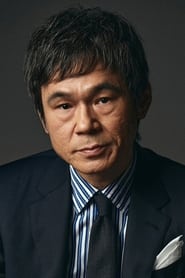
Masahiro Komoto
Yukinari Fujiwara

Yoshiko Sakuma
Omyobu









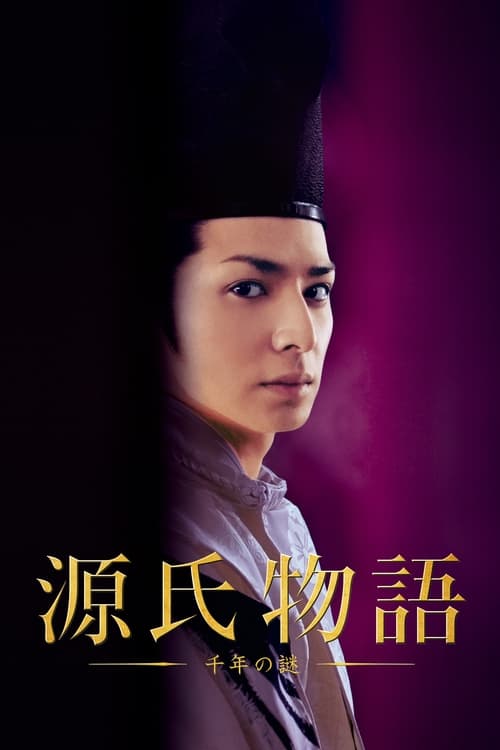
Toma Ikuta
Toma Ikuta
Hikaru Genji
Toma Ikuta
Hikaru Genji
Miki Nakatani
Miki Nakatani
Murasaki Shikibu
Miki Nakatani
Murasaki Shikibu
Yoko Maki
Yoko Maki
Fujitsubo
Yoko Maki
Fujitsubo
Mikako Tabe
Mikako Tabe
Ai no Ue
Mikako Tabe
Ai no Ue
Rena Tanaka
Rena Tanaka
Rokujo-no-Miya Sudokoro
Rena Tanaka
Rokujo-no-Miya Sudokoro
Yosuke Kubozuka
Yosuke Kubozuka
Seimei Abe
Yosuke Kubozuka
Seimei Abe
Noriyuki Higashiyama
Noriyuki Higashiyama
Fujiwara Michinaga
Noriyuki Higashiyama
Fujiwara Michinaga
Shigeru Muroi
Shigeru Muroi
Kokiden Lady
Shigeru Muroi
Kokiden Lady
Misako Renbutsu
Misako Renbutsu
Fujiwara no Shoshi
Misako Renbutsu
Fujiwara no Shoshi
Takaaki Enoki
Takaaki Enoki
Kiritsubo Emperor
Takaaki Enoki
Kiritsubo Emperor
Similar Movies
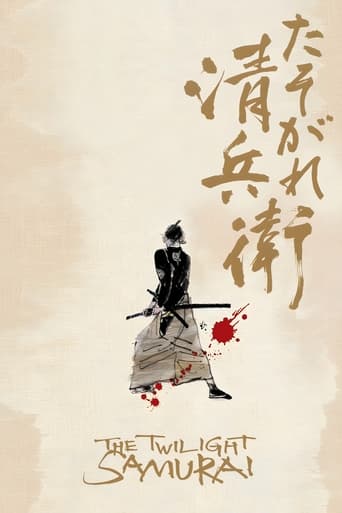
Seibei Iguchi leads a difficult life as a low ranking samurai at the turn of the nineteenth century. A widower with a meager income, Seibei struggles to take care of his two daughters and senile mother. New prospects seem to open up when the beautiful Tomoe, a childhood friend, comes back into he and his daughters' life, but as the Japanese feudal system unravels, Seibei is still bound by the code of honor of the samurai and by his own sense of social precedence. How can he find a way to do what is best for those he loves?
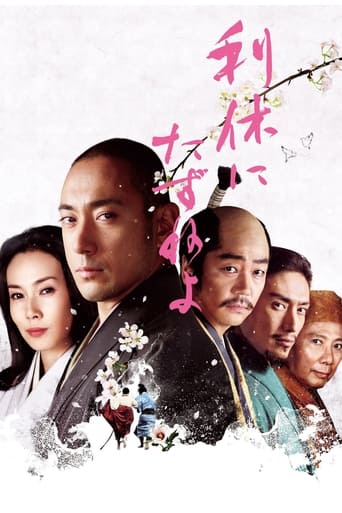
Sen no Rikyu (Ebizo Ichikawa) is the son of a fish shop owner. Sen no Rikyu then studies tea and eventually becomes one of the primary influences upon the Japanese tea ceremony. With his elegant esthetics, Sen no Rikyu is favored by the most powerful man in Japan Toyotomi Hideyoshi (Nao Omori) and becomes one of his closest advisors. Due to conflicts, Toyotomi Hideyoshi then orders Sen no Rikyu to commit seppuku (suicide). Director Mitsutoshi Tanaka's adaptation of Kenichi Yamamoto's award-winning novel of the same name received the Best Artistic Contribution Award at the 37th Montréal World Film Festival, the Best Director Award at the 2014 Osaka Cinema Festival, the 30th Fumiko Yamaji Cultural Award and the 37th Japan Academy Film Prize in nine categories, including Best Art Direction, Excellent Film and Excellent Actor.
A young boy named Chomatsu (Misora Hibari) lives with an old man Denbei near the grounds of Asakusa temple as bell ringers. In their house is an Echigo lion mask, a memento of Chomatsu's deceased father. After several incidents of Echigo lion masks being destroyed in the area, a local kingpin Saheiji shows up at Denbei's demanded he hand over the mask, a request Denbei rejects out of pity for Chomatsu. However, after it is accidentally revealed that the mask contains an important map, Saheiji plots to steal the mask. Chomatsu gets involved after his mother makes a sudden reappearance that sends the boy on a roundabout journey that will reveal the truth about his family.
The classic story of English POWs in Burma forced to build a bridge to aid the war effort of their Japanese captors. British and American intelligence officers conspire to blow up the structure, but Col. Nicholson, the commander who supervised the bridge's construction, has acquired a sense of pride in his creation and tries to foil their plans.
At the beginning of the 19th century, Japan was under a policy of national isolation. A group of Dutch scholars who wanted to open the country secretly completed a copy of a map of Japan under shogunate control. They sent a young Dutch scholar, Michi-an, as a secret envoy to deliver the copy of the map to the Dutch. Michi-an, hiding himself and making his way through the deserted winter mountains, but the mountain guardians, led by Takayama, had begun hunting in the mountains with a description of Michi-an's appearance arranged by the shogunate.