

O Cuidado é Ancestral
Documentary
Overview
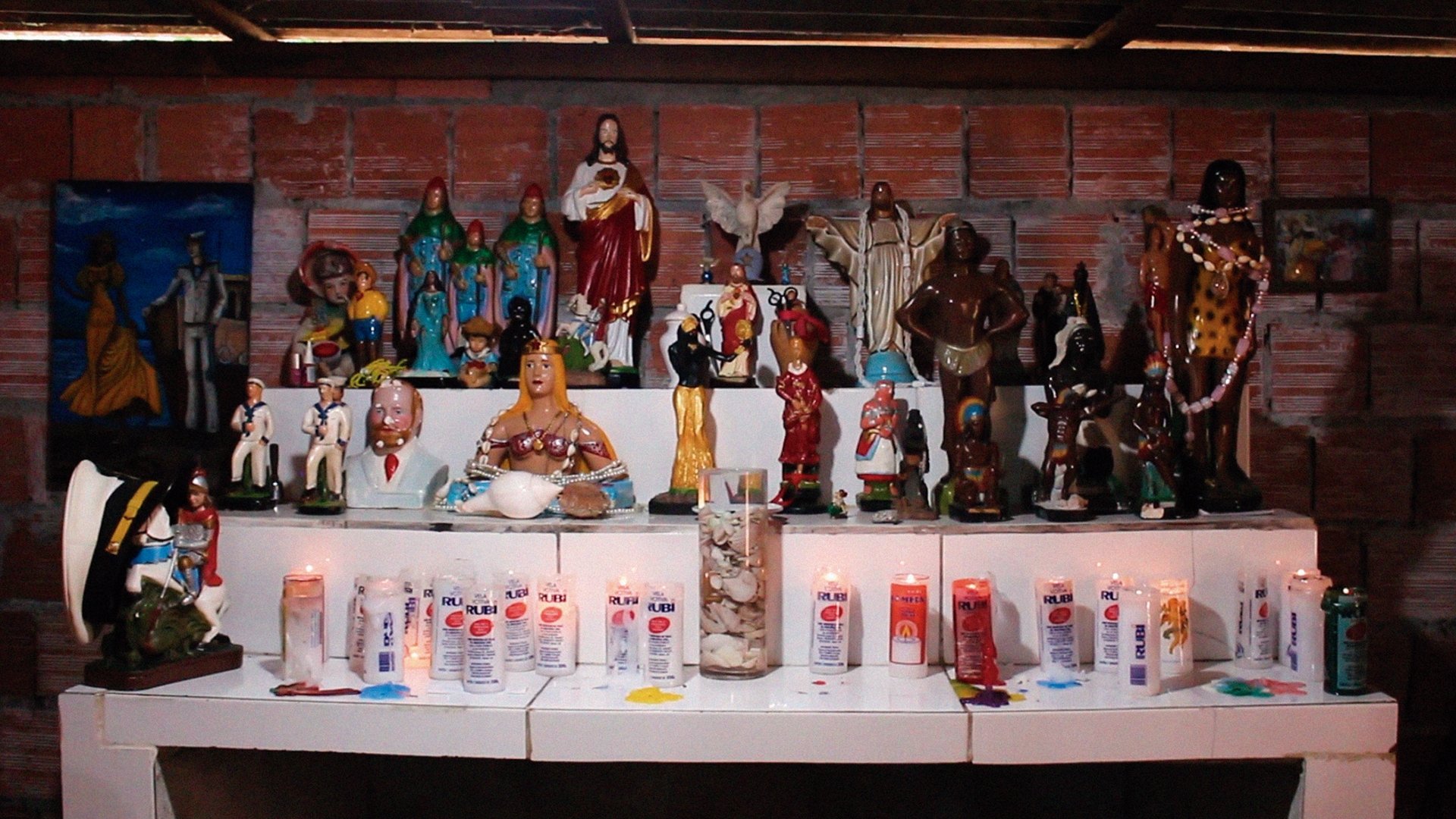
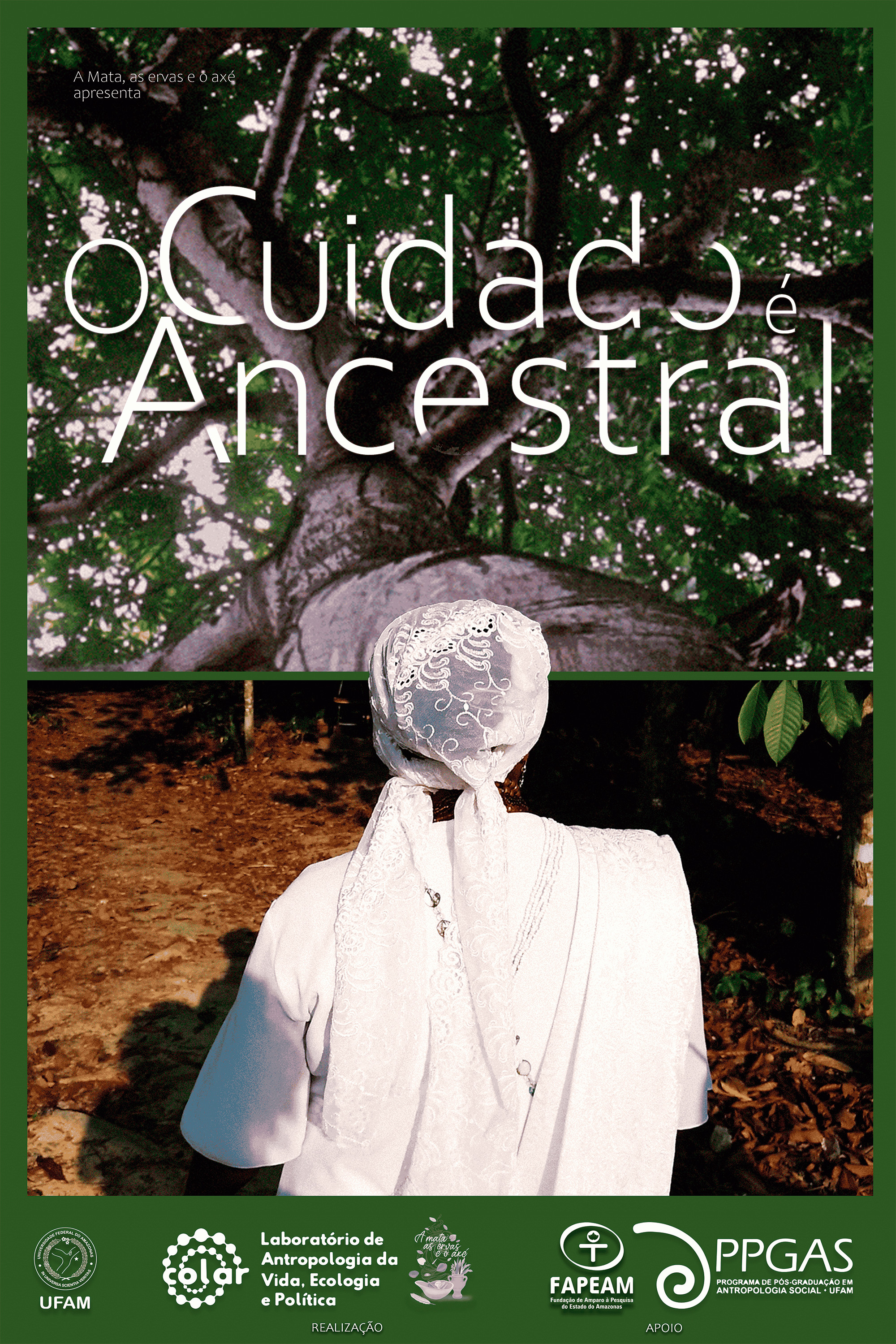
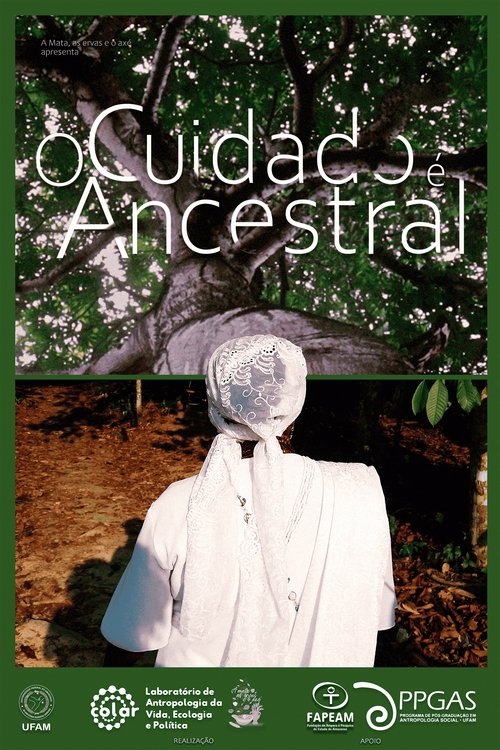
The documentary explores the curative knowledge and resistance by african-rooted religion leaders in the Amazon, highlighting the connection between humans, nature, and spirituality. In Manaus, forested areas become spaces of healing, while the film fosters a dialogue between traditional knowledge and the need to rethink our relationship with the environment.
Top Cast

Nochê Hunjair Flor Ty Navê
Nochê Hunjair Flor Ty Navê
Nochê Hunjair Flor Ty Navê
Mametu Nangetu
Mametu Nangetu
Mametu Nangetu
Pai Willames
Pai Willames
Pai Willames
Mãe Rosa
Mãe Rosa
Mãe Rosa
Mãe Orny de Oxum Apara
Mãe Orny de Oxum Apara
Mãe Orny de Oxum Apara
Mãe Maria do Jacaúna
Mãe Maria do Jacaúna
Mãe Maria do Jacaúna
Ìyálaşé da Nação Muzunguê Yashodhan Abya Yala
Ìyálaşé da Nação Muzunguê Yashodhan Abya Yala
Ìyálaşé da Nação Muzunguê Yashodhan Abya Yala
Olupejè
Olupejè
Olupejè
Similar Movies
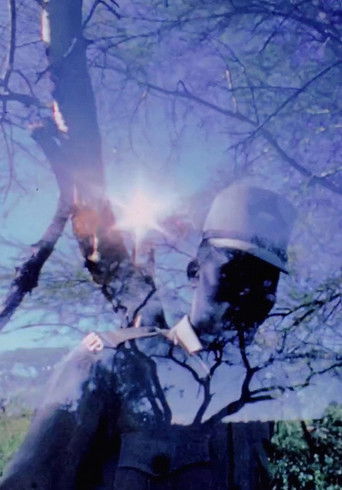
Moonchild is one of Fulton’s very earliest ethnographic projects. Filming in East Africa while on another production, he shoots with single frame bursts from his Bolex camera with an Angenieux 5.9 lens. He could shoot inconspicuously from the hip, an approach he learned from his father, filmmaker Robert Fulton Jr. In Moonchild, he shares his first impressions of Africa.
Atlantis is filmmaker Luc Besson's celebration of the beauty and wonder of the world beneath the sea, expanding upon themes touched on in his film The Big Blue. Combining stunning underwater cinematography and a hypnotic score by Eric Serra, Besson's singular vision defies dialogue or narrative structure to explore ocean life as you've never seen it before. Following the colossal success of The Big Blue, Luc Besson crisscrossed the world's seas and oceans to film the beauty and diversity of marine life: from the giant octopuses of Vancouver to the manta rays of the Pacific (New Caledonia), and the grey sharks of Tahiti. A film with no actors or sets other than the underwater world. A breathtaking view of marine species: sharks, dolphins, manatees, octopuses. An exploration of the seabed in the Bahamas, the Galapagos, Vancouver, and Tahiti.
Bacteria, viruses, but also fungi, algae, pollen, and even insects: micro-organisms thrive and circulate constantly in our sky. How can so many living beings find their way into the air and circulate? How do they survive? And what influence do they have on our lives and the living world? Biodiversity, health, climate: it is only recently that scientists have begun to understand how this discreet aerial "plankton" affects our lives and our ecosystem. But despite their many virtues, some of these micro-organisms are now threatened by human activities. With the help of experts and 3D models, this scientific investigation plunges us into the heart of a still mysterious world, and reveals the diversity and fragility of the air we breathe.