

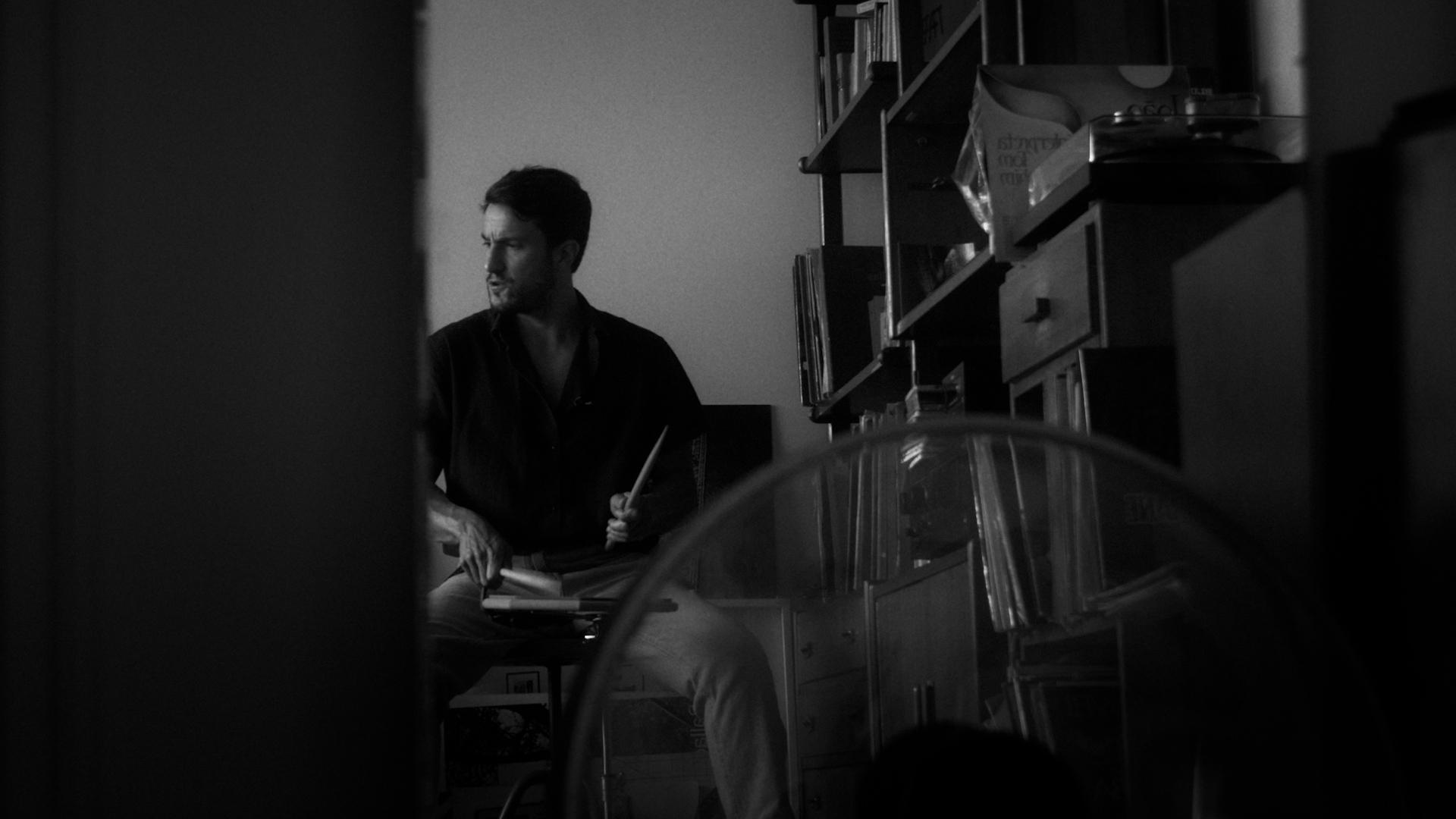
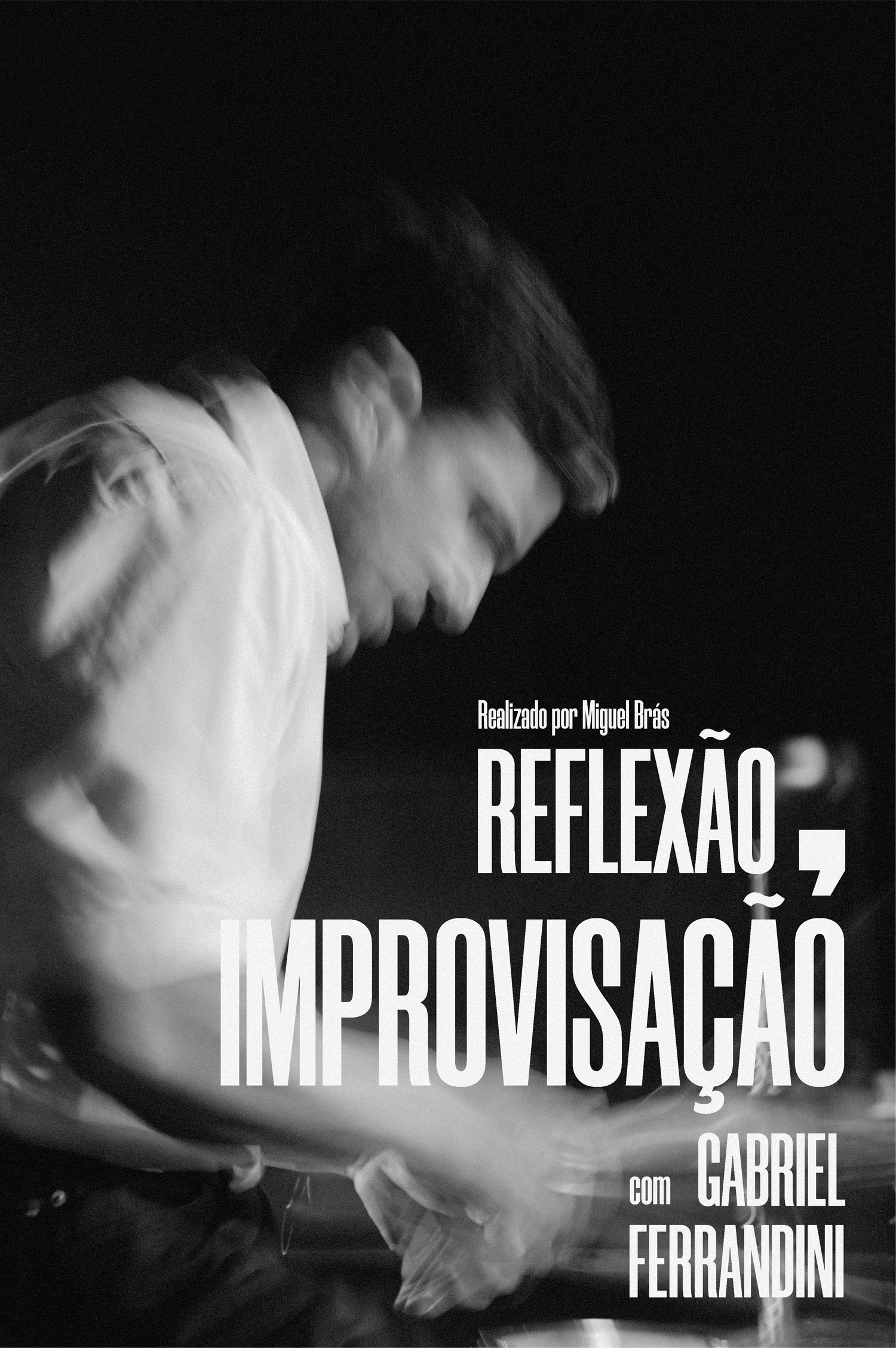
Reflection, Improvisation
Documentary · Music
Overview
A perspective and reflection on the work of Gabriel Ferrandini.
Top Cast






Gabriel Ferrandini
Gabriel Ferrandini
Himself
Gabriel Ferrandini
Himself
Pedro Sousa
Pedro Sousa
Himself
Pedro Sousa
Himself
Similar Movies
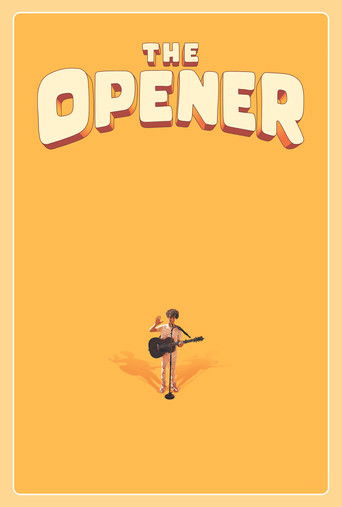
THE OPENER is a feel-good, underdog music doc about a street performer who wrote 30 songs in 30 days to process his grief and isolation during the pandemic, and found that his music spoke to millions. When it reached the ears of one of his heroes, Grammy-winner Jason Mraz, he was invited on his very first tour and given a chance to prove himself on the big stage.

Naeema lives with her stepmother, a dancer who loves money. As Naeema meets the singer Ismail Gaber and they fall in love, the stepmother objects to their marriage, since the singer lacks the qualifications needed to make money. She marries Naeema off to the rich man Shaaban, who abuses Naeema, so she runs away.
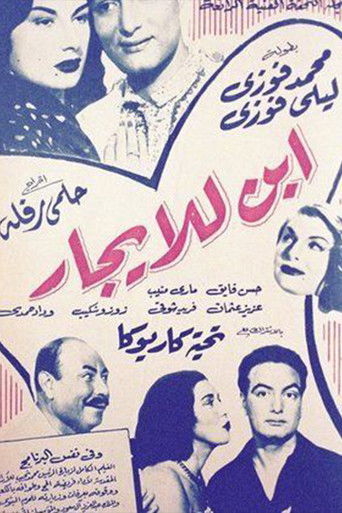
(Zaatar) works with (Mulabbasa) in the acting troupe managed by (Jawhar). When (Jawhar) learns about the story of (Nagati Pasha's) son who disappeared twenty years ago and has not been found, (Jawhar) offers (Zaatar) to impersonate the son, and Zaatar in turn enjoys a life of luxury with (Nagati Pasha's) family, but he soon learns that (Hiam's) fiancé, (Nagati Pasha's) daughter, is embezzling the Pasha's money, and Zaatar feels guilty over time about what he is doing to this family.
The architectural plans for Berlin from 1938 are used as an example to illustrate the fascist claim to power and its aesthetic effect. The basis for this was the "General Building Inspection" under the direction of Albert Speer, whose enormous projects are illustrated by planning models and archive photographs.
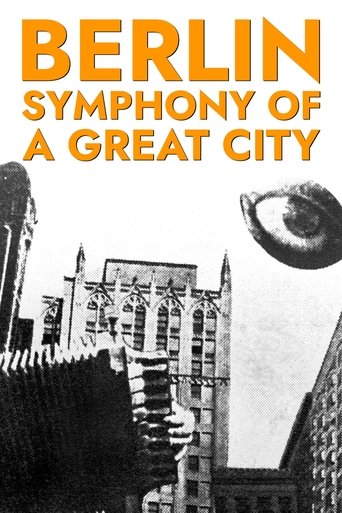
A day in the city of Berlin, which experienced an industrial boom in the 1920s, and still provides an insight into the living and working conditions at that time. Germany had just recovered a little from the worst consequences of the First World War, the great economic crisis was still a few years away and Hitler was not yet an issue at the time.
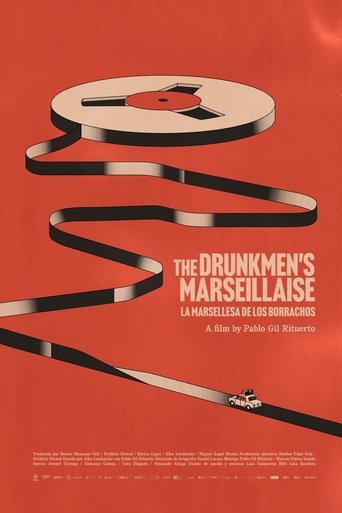
In the summer of 1961, a group of young Italian anthropologists made a clandestine journey through Spain, in order to record popular songs that supported anti-Franco resistance. As a result of their work, they were prosecuted and their recordings were censored. Sixty years later, and guided by Emilio Jona, aged 92, the last living member of that group of travellers, we recover the unpublished recordings and reconstruct the journey, today, across an emotional and political landscape, regaining historical memories through these songs, as relevant today as they were then.