

Nomadenland
Documentary
Overview
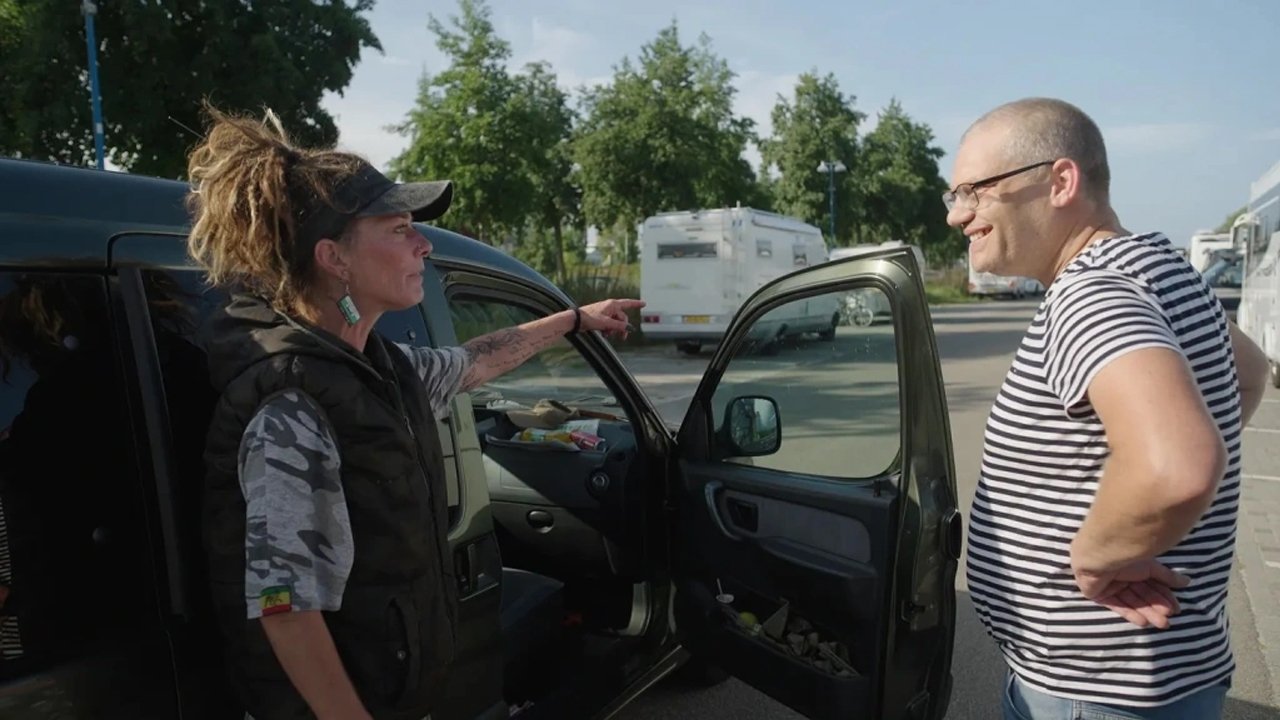
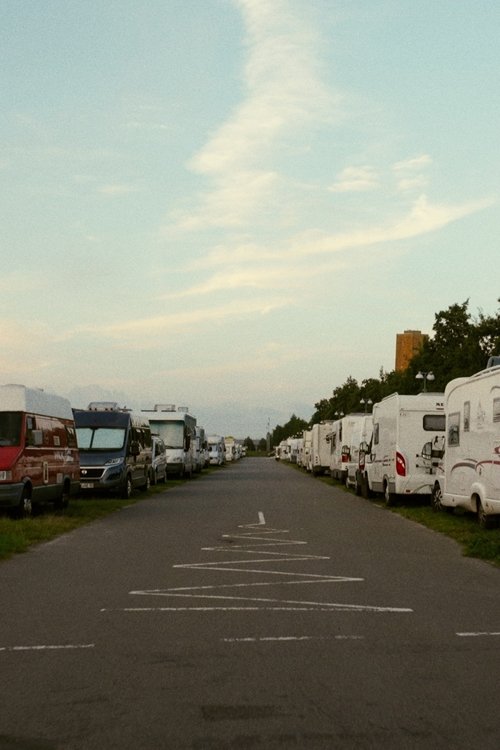
In recent years, the number of people living in a bus or camper has increased significantly. But for this growing group, there are fewer and fewer places where you can legally park. The Kardinge car park in Groningen, a popular refuge for people staying in their campers, is also under pressure. Does the Netherlands actually have room for nomads and what drives people to want to live off the beaten track? Filmmaker Tom Tieman temporarily goes into hiding at the Kardinge car park and meets the current residents. Read more





No cast information.
Similar Movies
Like an antipodean version of Romeo and Juliet, it emerges that Warri and Yatungka became the last nomads because they had married outside their tribal laws and eloped to the most inaccessible of regions. In 1977 the land was stricken by a severe drought and their tribal elders mounted a search for them with the help of a party of white men led by Dr Bill Peasley and one of their own number, a childhood friend named Mudjon. The film takes Dr Peasley back into the desert to relive his momentous journey with Mudjon and culminates with poignant archival footage of the elderly couple found naked and starving.
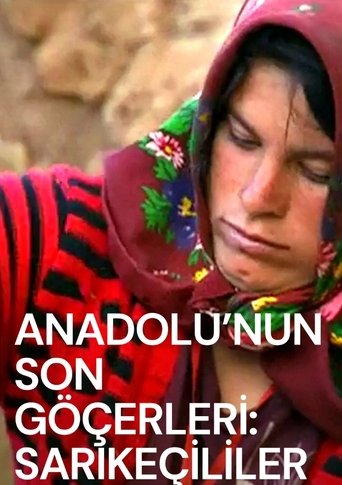
Sarikecilis are the last representatives in Anatolia of the centuries-old tradition of nomadism. Making their way to sea level in winter, and to the highlands in summer, they spend seven months of the year in transit, living off of the goats they keep. This documentary film is telling the story of the last Nomadic tribe in Anatolia within their natural habitat.
In their vehicle, Laurie, Kristy and Linda live alone on the American roads. Like thousands of modern American nomads who can no longer afford to pay for their housing. With no money to spare, these three sixty-year old women are fleeing, in their own way, a part of their history that has left a deep mark on them. Driving away, they try to regain some form of peace. But as the miles and seasons pass, despite their impressive temerity and resilience, their quest for a better future is challenged by unexpected events that hit a country in crisis. Will they nevertheless manage, at the end of the road, to find the serenity they are looking for, in order to become someone again?
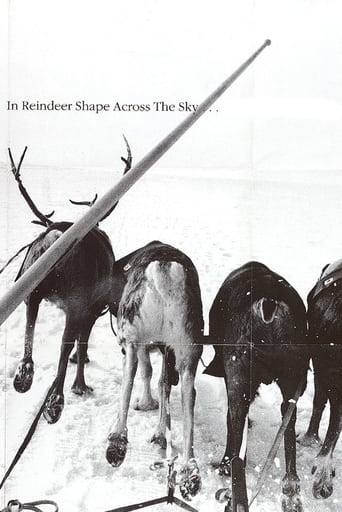
This Finnish documentary film directed, written, produced and shot by Markku Lehmuskallio is the first part of a documentary trilogy about the Nenets people. It's a folkloric documentary describing the traditional nomadic life of the Nenets on the Yamal Peninsula. It includes Nenets songs sung by Anastasia Lapsui and her mother Maria Lapsui. The film was the first film collaboration of Markku Lehmuskallio and Anastasia Lapsui.
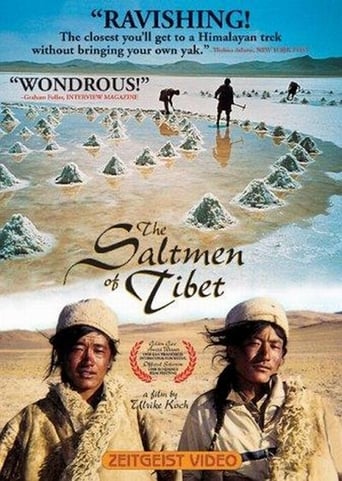
Four men from a nomadic Tibetan tribe undertake their annual, ritualistic pilgrimage to a sacred salt lake. Salt gathered in this traditional fashion will be sold to provide the economic livelihood of the tribe for the coming year. The journey, necessary for the group's survival, also incorporates a number of rituals necessary for their culture to survive in the modern world.
The last two surviving members of the Piripkura people, a nomadic tribe in the Mato Grosso region of Brazil, struggle to maintain their indigenous way of life amidst the region's massive deforestation. Living deep in the rainforest, Pakyî and Tamandua live off the land relying on a machete, an ax, and a torch lit in 1998.
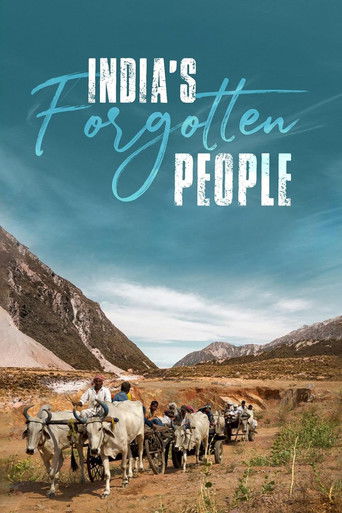
From respected forgers of Armour for Hindu kings in the 16th century through to impoverished nomadic blacksmiths who forge and sell items from waste metal scraps.The history and story of India's proud but largely forgotten Gadia Lohar community is for the first time sensitively investigated and revealed in Deana Uppal's documentary 'The Forgotten People'.