

Così Fan Tutte - Teatro Comunale di Ferrara
Romance
Overview
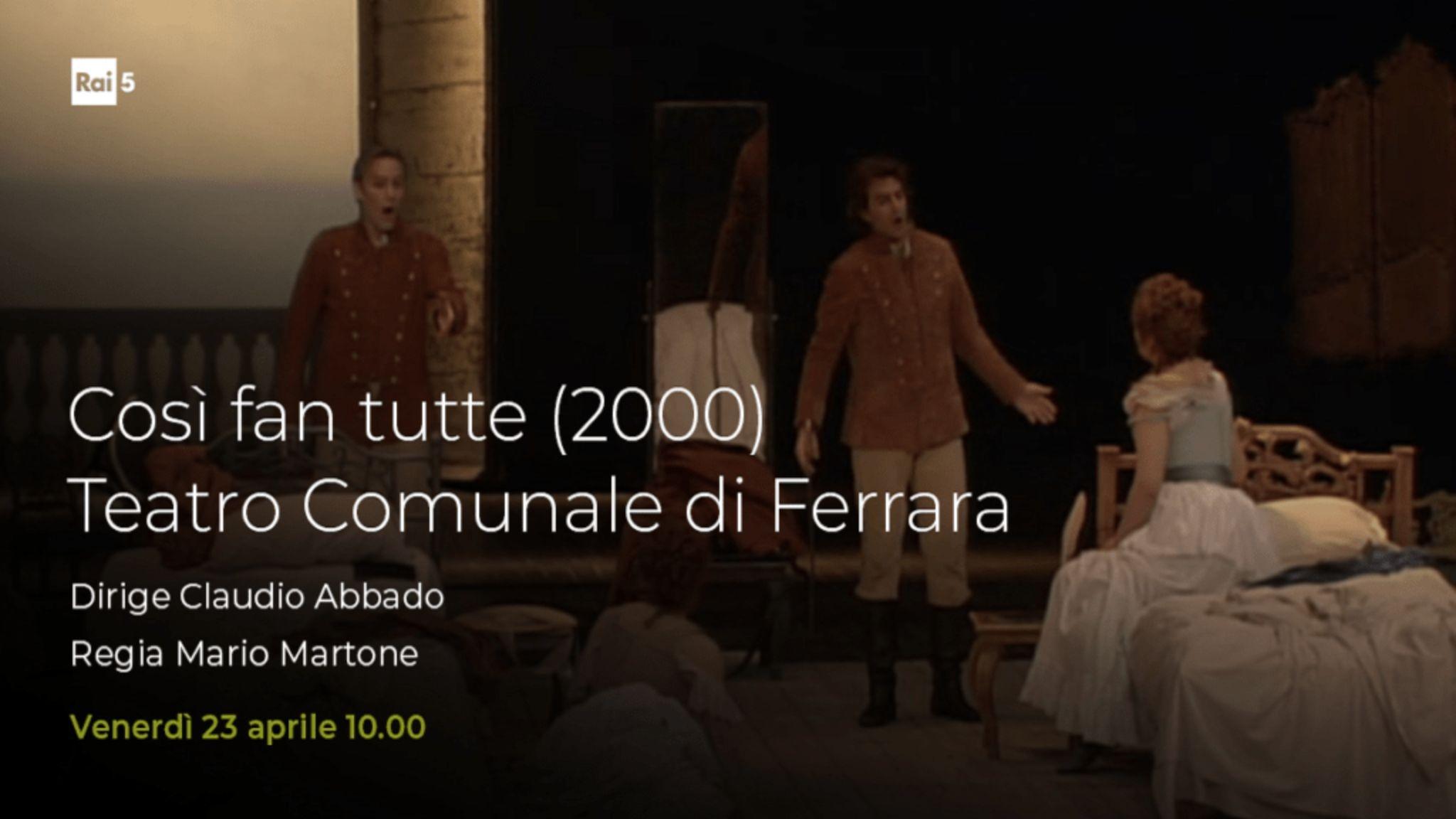
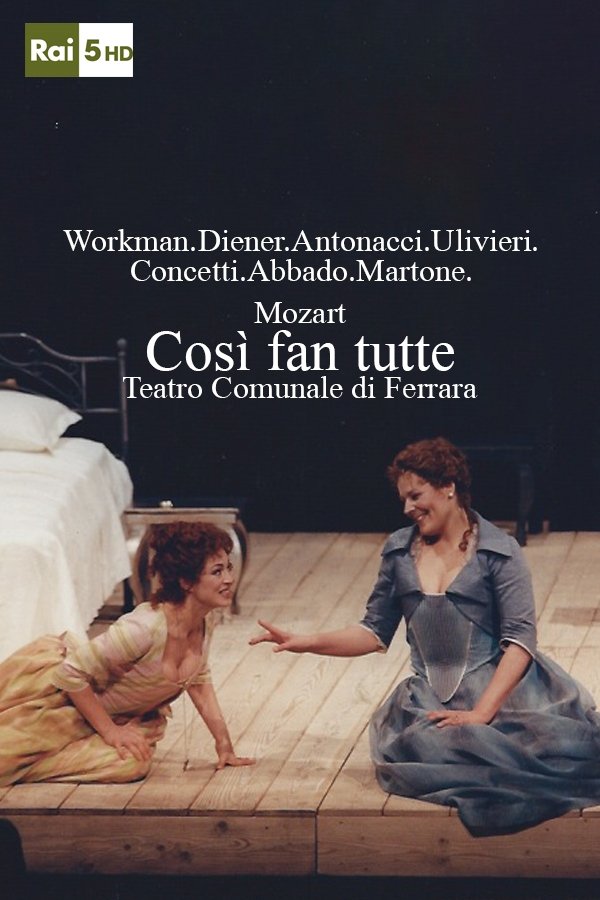
The plot takes place in the Bay of Naples in the 18th century. Deeply convinced of women's infidelity, the cynical Don Alfonso provokes his young friends Ferrando and Guglielmo by impugning the constancy of their fiancées, sisters Dorabella and Fiordiligi.



Nicola Ulivieri
Nicola Ulivieri
Guglielmo
Nicola Ulivieri
Guglielmo

Charles Workman
Charles Workman
Ferrando
Charles Workman
Ferrando
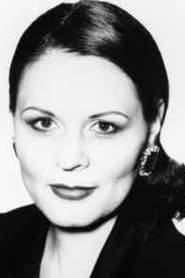
Melanie Diener
Melanie Diener
Fiordiligi
Melanie Diener
Fiordiligi

Anna Caterina Antonacci
Anna Caterina Antonacci
Dorabella
Anna Caterina Antonacci
Dorabella

Andrea Concetti
Andrea Concetti
Don Alfonso
Andrea Concetti
Don Alfonso
DANIELA MAZZUCATO
DANIELA MAZZUCATO
Despina
DANIELA MAZZUCATO
Despina
Similar Movies

Opera in three acts, a prologue and an epilogue, by Jacques Offenbach (1819-1880), with a libretto in French by Jules Barbier (1825-1901), based on a work that Barbier himself and Michel Carré (1821-1872) had written based on stories by E.T.A. Hoffmann (1776-1822). Approximate duration: 2 h 45 min Recommended for those over 15 years old. The young poet Hoffmann, accompanied by Nicklausse, his alter ego and confidant, is in a tavern next to the theatre where Mozart's Don Giovanni is being performed. During the opera's intermission, some diners arrive at the bar who, upon seeing the poet, encourage him to sing and tell them the story of his famous love affairs. Hoffmann finally gives in and shares with them the stories of Olympia, Antonia and Giulietta. They, absorbed in the poet's stories, remain in the tavern, forgetting about the opera performance.
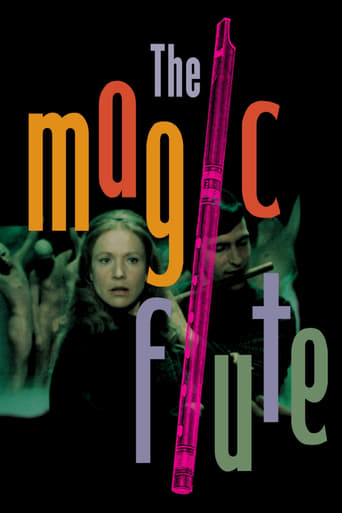
The Queen of the Night enlists a handsome prince named Tamino to rescue her beautiful kidnapped daughter, Princess Pamina, in this screen adaptation of the beloved Mozart opera. Aided by the lovelorn bird hunter Papageno and a magical flute that holds the power to change the hearts of men, young Tamino embarks on a quest for true love, leading to the evil Sarastro's temple where Pamina is held captive.
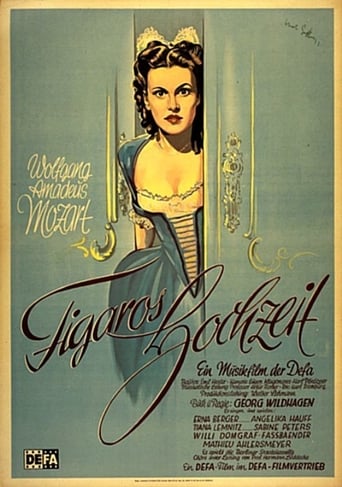
Shortly after WWII, the DEFA Studios produced a series of operas and operettas which belonged to the classical German musical heritage. This enchanting film, the very first opera production of DEFA, stands out because of its lavish decor and costumes, its outstanding actors and their masterful voices of that time.
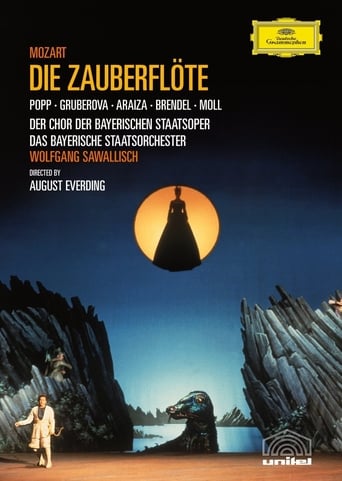
The Queen of the Night enlists a handsome prince named Tamino to rescue her beautiful kidnapped daughter, Princess Pamina. Aided by the lovelorn bird hunter Papageno and a magical flute that holds the power to change the hearts of men, young Tamino embarks on a quest for true love, leading to the evil Sarastro's temple where Pamina is held captive.
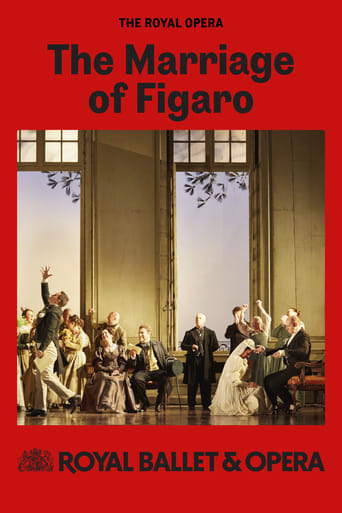
Count Almaviva lives with his Countess on their estate near Seville. The Count has his eye on his wife’s maid Susanna, who is betrothed to the Count’s servant, Figaro. Much to Figaro’s dismay, the Count plans to seduce Susanna on wedding night. Meanwhile, Cherubino, the Count’s young page, is infatuated with the Countess, but has just been dismissed after being discovered with Barbarina, the gardener Antonio’s daughter.
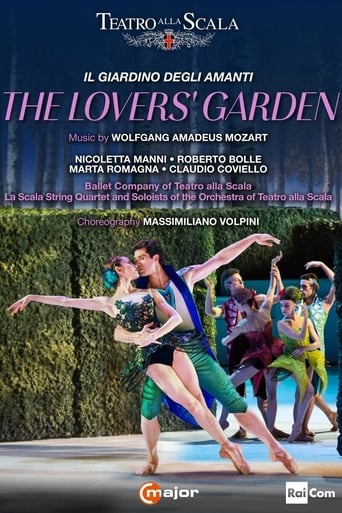
In the garden of a Baroque villa, a chamber orchestra is playing Mozart’s wonderful quartets and quintets, and everywhere is pervaded with echoes and references to the composer’s world. As if by magic or conjured by the imagination, figures emerge from the shadows of the labyrinthine garden: they are Mozart’s characters, and they play with – or perhaps make fun of – the guests at the party, embroiling them in their well-known amorous dalliances. This piece, in which the spectator encounters among the dreamlike medley many well-known protagonists from Mozart’s operas (including Figaro, Don Giovanni, and the Queen of the Night), is a full-length choreographic work by Massimiliano Volpini, who himself performed on stage for many years as a dancer with the Scala ensemble.
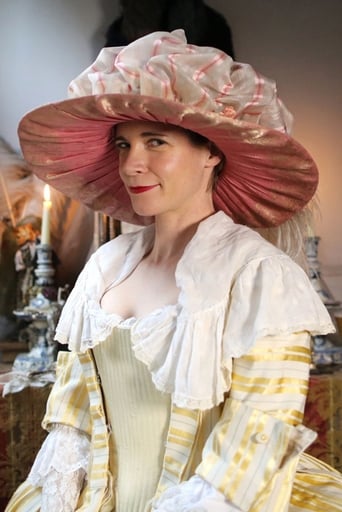
Lucy Worsley traces the forgotten and fascinating story of the young Mozart's adventures in Georgian London. Arriving in 1764 as an eight-year-old boy, London held the promise of unrivalled musical opportunity. But in telling the telling the tale of Mozart's strange and unexpected encounters, Lucy reveals how life wasn't easy for the little boy in a big bustling city. With the demands of a royal performance, the humiliation of playing keyboard tricks in a London pub, a near fatal illness and finding himself heckled on the streets, it was a lot for a child to take. But London would prove pivotal, for it was here that the young Mozart made his musical breakthrough, blossoming from a precocious performer into a powerful new composer.
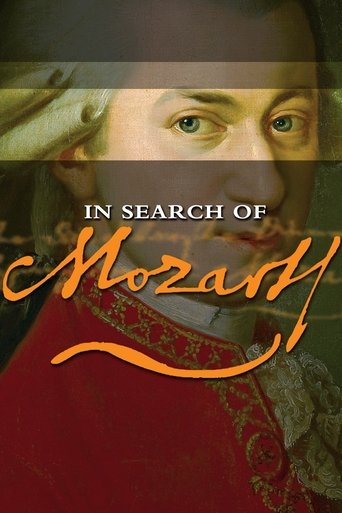
Made to celebrate the 250th anniversary of Mozart's birth, IN SEARCH OF MOZART is the first feature-length documentary on Mozart's life. Produced with the world's leading orchestras and musicians, told through a 25,000 mile journey along every route Mozart followed, this detective story takes us to the heart of genius. Throughout, it is the music that takes center stage, with the jigsaw of Mozart's life fitting around it.
Wolfgang Amadeus Mozart's Magic Flute is undoubtedly one of the most multi-layered, profound, complicated, and therefore also most difficult to stage works in the entire opera repertoire. In terms of genre, it can only be understood if it is seen as a mixture of four things: a philosophically profound drama of ideas with countless encryptions, a naïve fairy tale, a bawdy comedy, and a crude Punch and Judy show. It is based on the intersection of the traditions of Baroque magic opera, Italian buffa, and Viennese Singspiel, where all manner of wonders are conceivable and permissible. Peter Ustinov's production appeals to all those who love a primarily fairy-tale-like interpretation; the atmosphere is traditional and conventional. An outstanding ensemble of singers has been assembled.