

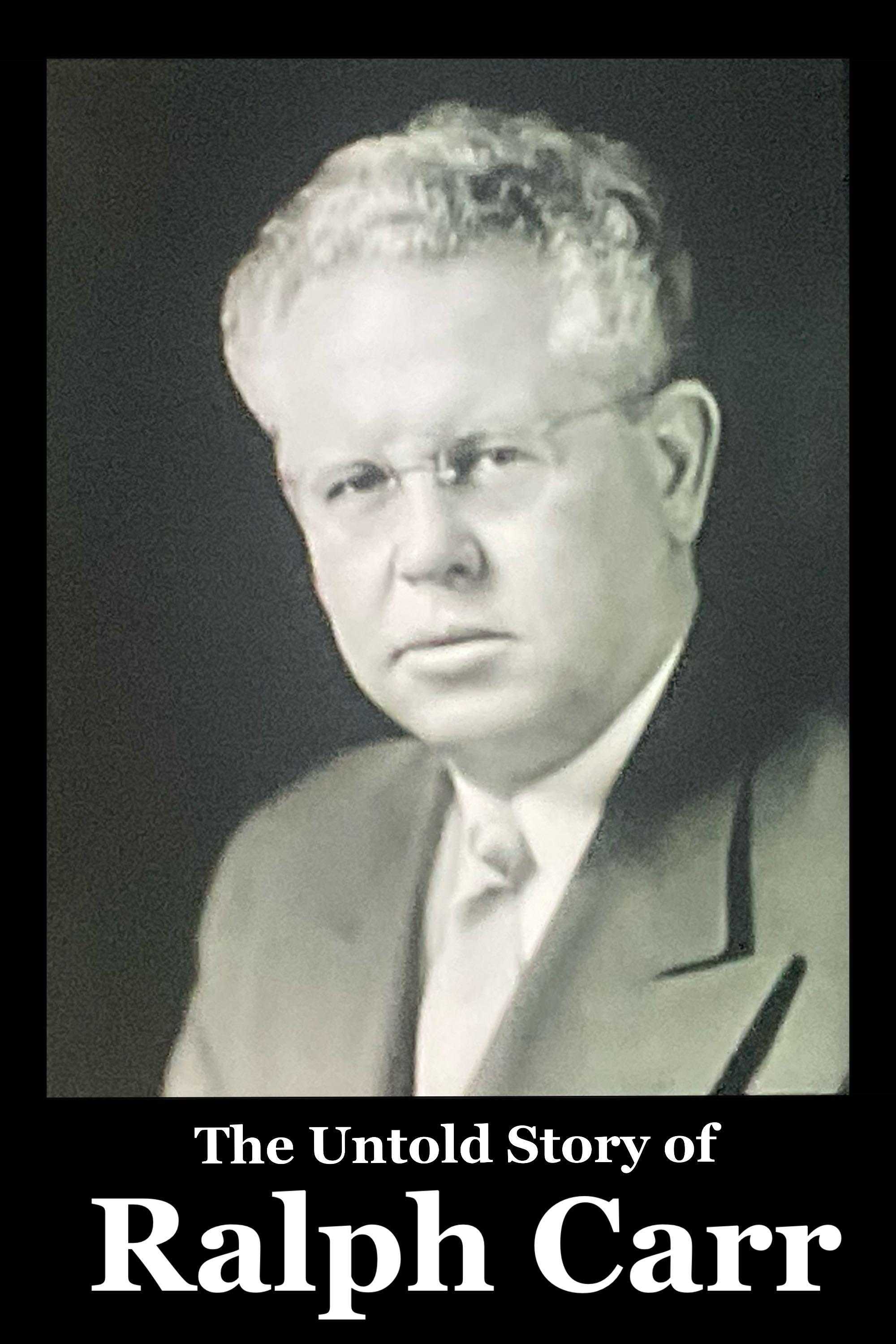
The Untold Story of Ralph Carr and the Japanese: The Fate of 3 Japanese-Americans and the Internment
Documentary
Overview
This historical documentary tells the little-known story of Ralph Carr, who was the Governor of Colorado from 1939-1943. Governor Carr was a passionate defender of Japanese Americans' rights when people of Japanese ancestry, including many American citizens, were relocated to internment camps in 1942.
Top Cast
Ralph Carr
Himself
Kaorigo Kuge
Journalist
Akemi Yano
President of Japanese American National Museum
Akemi Kikumura Yano
Herself
Robert Fuchigami
Himself
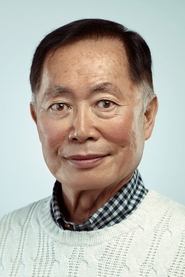
George Takei
Himself
Herbert Inouye
Himself
Bill Ritter
Governor of Colorado
Adam Schrager
Himself
Catherine Car Lynch
Herself
Mitchie Terasaki
Herself
Robert Bella
Reenactment Actor


Ralph Carr
Ralph Carr
Himself
Ralph Carr
Himself
Kaorigo Kuge
Kaorigo Kuge
Journalist
Kaorigo Kuge
Journalist
Akemi Yano
Akemi Yano
President of Japanese American National Museum
Akemi Yano
President of Japanese American National Museum
Akemi Kikumura Yano
Akemi Kikumura Yano
Herself
Akemi Kikumura Yano
Herself
Robert Fuchigami
Robert Fuchigami
Himself
Robert Fuchigami
Himself
George Takei
George Takei
Himself
George Takei
Himself
Herbert Inouye
Herbert Inouye
Himself
Herbert Inouye
Himself
Bill Ritter
Bill Ritter
Governor of Colorado
Bill Ritter
Governor of Colorado
Adam Schrager
Adam Schrager
Himself
Adam Schrager
Himself
Catherine Car Lynch
Catherine Car Lynch
Herself
Catherine Car Lynch
Herself
Similar Movies
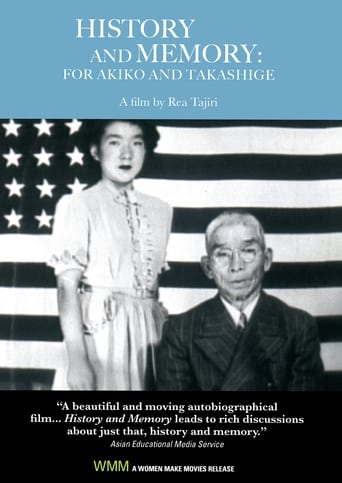
This film is a poetic composition of recorded history and non-recorded memory. Filmmaker Rea Tajiri’s family was among the 120,000 Japanese and Japanese Americans who were imprisoned in internment camps after the attack on Pearl Harbor. And like so many who were in the camps, Tajiri’s family wrapped their memories of that experience in a shroud of silence and forgetting. This film raises questions about collective history – questions that prompt Tajiri to daringly re-imagine and re-create what has been stolen and what has been lost.
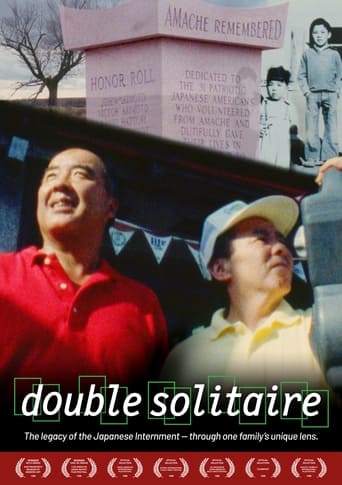
The filmmaker's father and uncle, Norm and Stan, are third generation Japanese Americans. They are "all American" guys who love bowling, cards and pinball. Placed in the Amache internment camp as children during World War II, they don't think the experience affected them that much. But in the course of navigating the maze of her father's and uncle's pursuits while simultaneously trying to inquire about their past, the filmmaker is able to find connections between their lives now and the history that was left behind.
Venture out to the Masumoto Farm – eighty acres of prime, peach-growing orchards – where seven varieties of the sweet juicy fruit are cultivated to sun-kissed perfection by a dynamic father-and-daughter team of David “Mas” and Nikiko Masumoto. Director Jim Choi succinctly captures this underrepresented facet of the CA farming industry about an Asian American family-run business, three generations strong, which in turn presents us with the changing idea of the American Dream. - See more at: http://laapff.festpro.com/films/detail/changing_season_2015#sthash.54OdJcdi.dpuf
Between Pictures: The Lens of Tamio Wakayama tells the epic journey of the late Japanese Canadian photographer Tamio Wakayama who decides to join the Student Nonviolent Coordinating Committee (SNCC) in the deep south during the 1960’s American civil rights movement. Learning the art of dark room photography along the way, this transformative moment in time allows him to confront his own identity and return ‘home’ to the west coast of Canada to begin a body of photographic work that continues to celebrate, re-present and document the spirit of Japanese Canadians who resided in the former Paueru Gai/Powell Street neighborhoods.
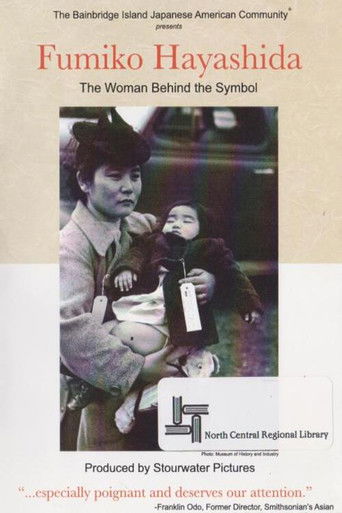
Fumiko Hayashida: The Woman Behind the Symbol is both a historical portrait of Fumiko, her family and the Bainbridge Island Japanese American community in the decades before World War II as well as a contemporary story which follows 97-year old Fumi and her daughter Natalie as they return to the site of the former Minidoka internment camp, their first trip back together in 63 years. The film reveals how the iconic photograph became the impetus for Fumiko to publicly lobby against the injustices of the past.