

Between Pictures: The Lens of Tamio Wakayama
Documentary · Animation
Overview
Between Pictures: The Lens of Tamio Wakayama tells the epic journey of the late Japanese Canadian photographer Tamio Wakayama who decides to join the Student Nonviolent Coordinating Committee (SNCC) in the deep south during the 1960’s American civil rights movement. Learning the art of dark room photography along the way, this transformative moment in time allows him to confront his own identity and return ‘home’ to the west coast of Canada to begin a body of photographic work that continues to celebrate, re-present and document the spirit of Japanese Canadians who resided in the former Paueru Gai/Powell Street neighborhoods.
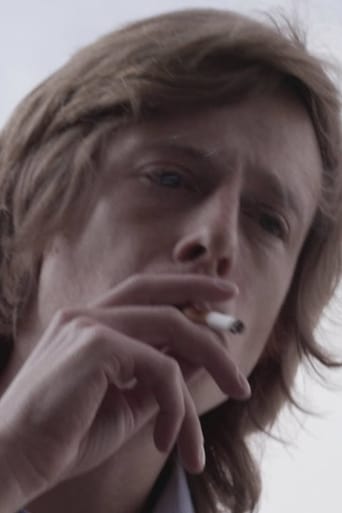






Tamio Wakayama
Tamio Wakayama
Himself (archive footage)
Tamio Wakayama
Himself (archive footage)
Jody Richardson
Jody Richardson
Herself
Jody Richardson
Herself
Mas Nakawatse
Mas Nakawatse
Himself
Mas Nakawatse
Himself
Leslie Kellen
Leslie Kellen
Herself
Leslie Kellen
Herself
Michiko Sakata
Michiko Sakata
Herself
Michiko Sakata
Herself
Linda Hoffmann
Linda Hoffmann
Herself
Linda Hoffmann
Herself
Bryce Kanbara
Bryce Kanbara
Himself
Bryce Kanbara
Himself
Kathy Shimizu
Kathy Shimizu
Herself
Kathy Shimizu
Herself
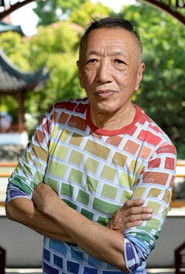
Paul Wong
Paul Wong
Himself
Paul Wong
Himself
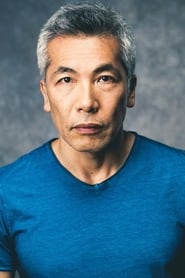
Hiro Kanagawa
Hiro Kanagawa
Tamio Wakayama / Narrator (voice)
Hiro Kanagawa
Tamio Wakayama / Narrator (voice)
Similar Movies
Homo Cinematographicus is a human species whose unit of measurement and point of reference is the cinema and its derivative, television. Filmed at the 1998 Cannes Film Festival, the film offers an unspecified number of statements, talking about memories and a thousand fragments of stories, titles and film scenes, the warp of a gigantic collective Chanson de geste.
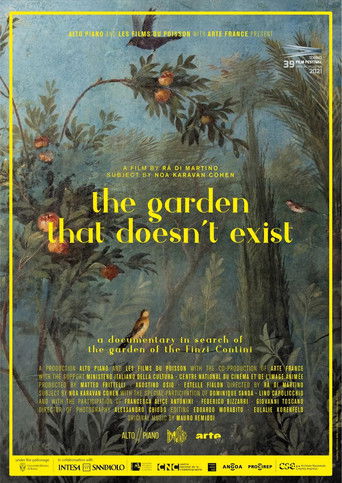
Once upon a time there was a garden, a refuge, a safe haven - 'The Garden of the Finzi Continis'. It came to life in Giorgio Bassani's 1962 semi-autobiographical novel recounting an unfulfilled love story between two young Jews in Ferrara, while fascism was raging in Italy in the late 1930's. In 1972, Vittorio De Sica's film adaptation of the book won the Oscar for Best Foreign Language Film. Since then, the fictional space of the garden became so tangible that people from all over the world come to Ferrara to look for it. Fifty years after winning the Oscar, reality and fiction come together once more, as we walk through an imaginary garden and bring to life the book, its author, its main protagonists, history, love, friendships and betrayals.
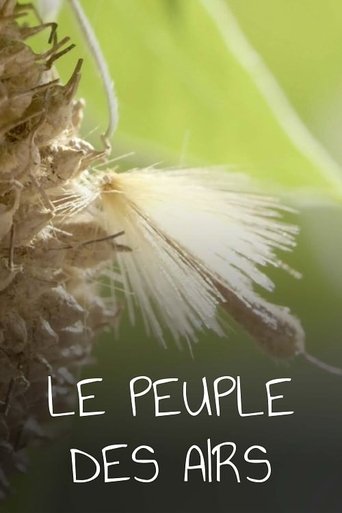
Bacteria, viruses, but also fungi, algae, pollen, and even insects: micro-organisms thrive and circulate constantly in our sky. How can so many living beings find their way into the air and circulate? How do they survive? And what influence do they have on our lives and the living world? Biodiversity, health, climate: it is only recently that scientists have begun to understand how this discreet aerial "plankton" affects our lives and our ecosystem. But despite their many virtues, some of these micro-organisms are now threatened by human activities. With the help of experts and 3D models, this scientific investigation plunges us into the heart of a still mysterious world, and reveals the diversity and fragility of the air we breathe.
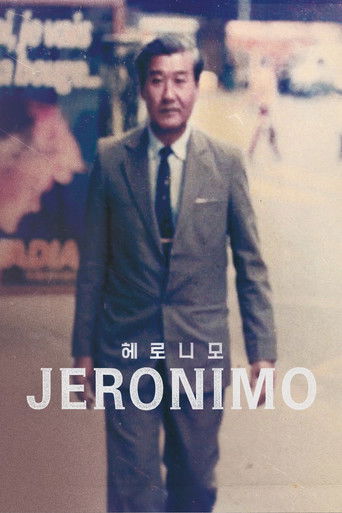
Born to Korean immigrant parents freed from indentured servitude in early twentieth century Mexico, Jerónimo Lim Kim joins the Cuban Revolution with his law school classmate Fidel Castro and becomes an accomplished government official in the Castro regime, until he rediscovers his ethnic roots and dedicates his later life to reconstructing his Korean Cuban identity. After Jerónimo's death, younger Korean Cubans recognize his legacy, but it is not until they are presented with the opportunity to visit South Korea that questions about their mixed identity resurface.
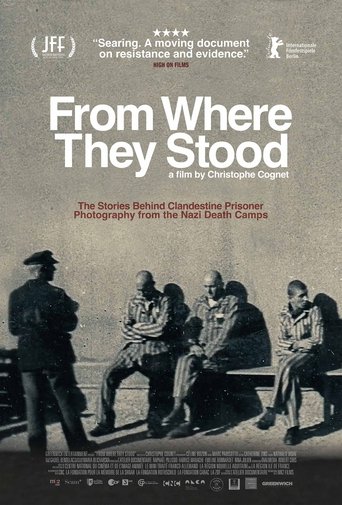
A handful of prisoners in WWII camps risked their lives to take clandestine photographs and document the hell the Nazis were hiding from the world. In the vestiges of the camps, director Christophe Cognet retraces the footsteps of these courageous men and women in a quest to unearth the circumstances and the stories behind their photographs, composing as such an archeology of images as acts of defiance.