

The Big Johnson
Documentary
Overview
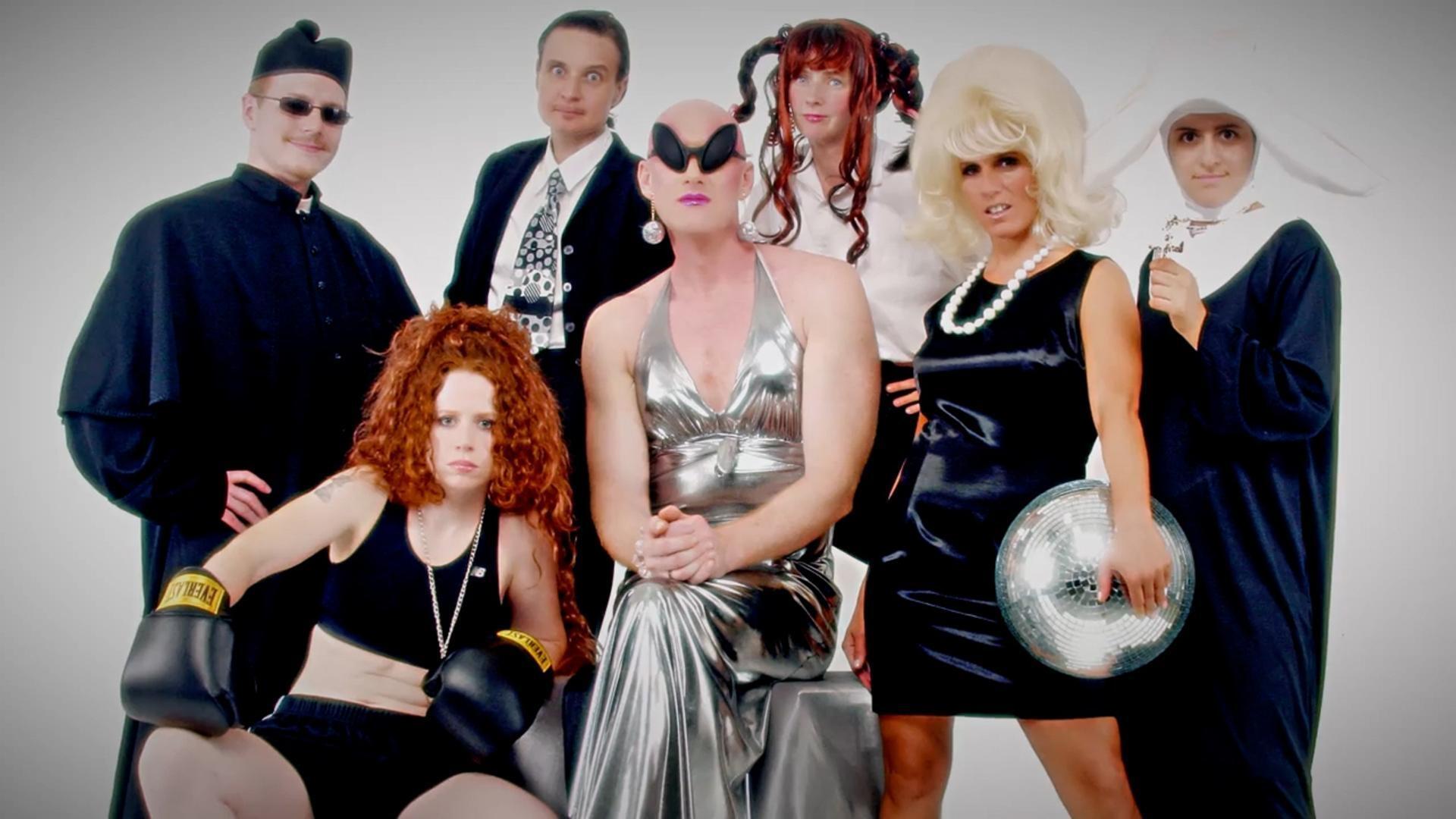
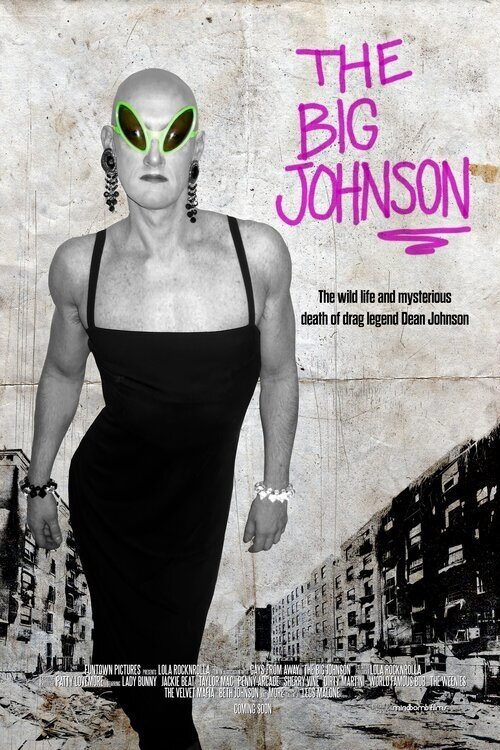
Dean Johnson, drag queen, rock star, LGBTQI activist, junkie, genius, escort then John Doe. How does someone so famous in New York die as an unknown in DC? This documentary explores the incredible highs and the crushing lows of Dean Johnson’s life and untimely death. Was it murder? Was it an accident? We may never know, but what is certain is that Dean and “the Big Johnson” changed New York City and all who knew him forever.









Lady Bunny
Lady Bunny
Self
Lady Bunny
Self
Taylor Mac
Taylor Mac
Self
Taylor Mac
Self

Mario Diaz
Mario Diaz
Self
Mario Diaz
Self
Kevin Aviance
Kevin Aviance
Self
Kevin Aviance
Self

Heather Litteer
Heather Litteer
Self
Heather Litteer
Self
Beth Johnson
Beth Johnson
Self
Beth Johnson
Self

Jackie Beat
Jackie Beat
Self
Jackie Beat
Self

Sherry Vine
Sherry Vine
Self
Sherry Vine
Self

Michael Musto
Michael Musto
Self
Michael Musto
Self
Penny Arcade
Penny Arcade
Self
Penny Arcade
Self
Similar Movies
Meryl Streep conducts us to a trip to New York City as presented in many films during the 20th Century, and how its cultural importance and impact are important to viewers. With a comprehensive gathering of clips from films between 1910's and 1990's, the documentary presents the mandatory classic films that presented the city and its multiple cultural variations, situations and the great stories filmed there. Actors and directors also discuss how they view the city in reality and also through the pictures.
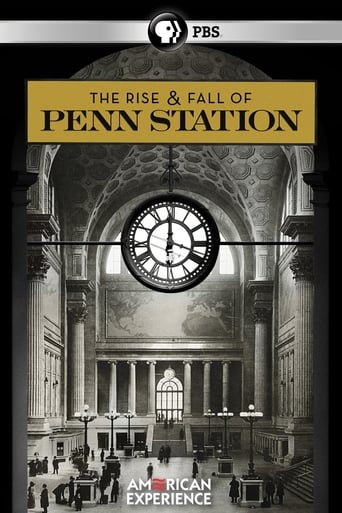
In 1910, the Pennsylvania Railroad successfully accomplished the enormous engineering feat of building tunnels under New York City's Hudson and East Rivers, connecting the railroad to New York and New England, knitting together the entire eastern half of the United States. The tunnels terminated in what was one of the greatest architectural achievements of its time, Pennsylvania Station. Penn Station covered nearly eight acres, extended two city blocks, and housed one of the largest public spaces in the world. But just 53 years after the station’s opening, the monumental building that was supposed to last forever, to herald and represent the American Empire, was slated to be destroyed.
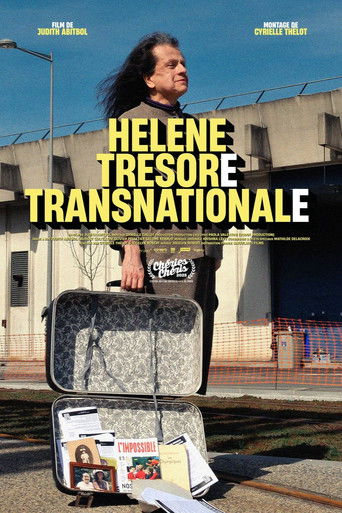
In this intimate portrait addressed directly to Hélène Hazera, filmmaker Judith Abitbol revisits a key figure of France’s countercultures from the late 1960s to the 1990s. A member of the Gazolines and the FHAR (Homosexual Front for Revolutionary Action), Hazera was a tireless LGBTQ activist who founded Act Up’s Trans and AIDS commissions—one of her proudest achievements. Her true victory, however, was becoming the first transgender journalist at a major national newspaper (Libération), and later a producer at Radio France and France TV. Through her story, Abitbol reconnects with the insurrectionary spirit and creative chaos of those decades—an era when French culture was shaken by radical imagination, humor, and defiance. The film celebrates these modern Antigones who dared to live their desires beyond the reach of any law.
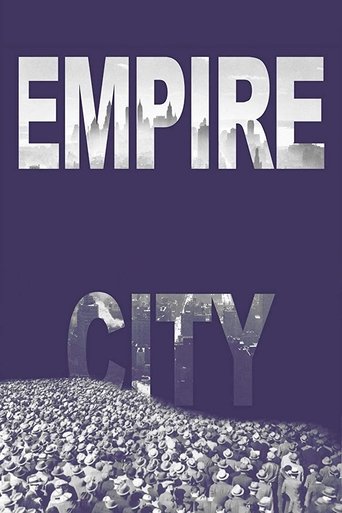
A film essay contrasting the modern metropolis with its "golden age" from 1830-1930, with the participation of some of New York's leading political and cultural figures. Made at a time when the city was experiencing unprecedented real estate development on the one hand and unforeseen displacement of population and deterioration on the other. Empire City is the story of two New Yorks. The film explores the precarious coexistence of the service-based midtown Manhattan corporate headquarters with the peripheral New York of undereducated minorities living in increasing alienation.