

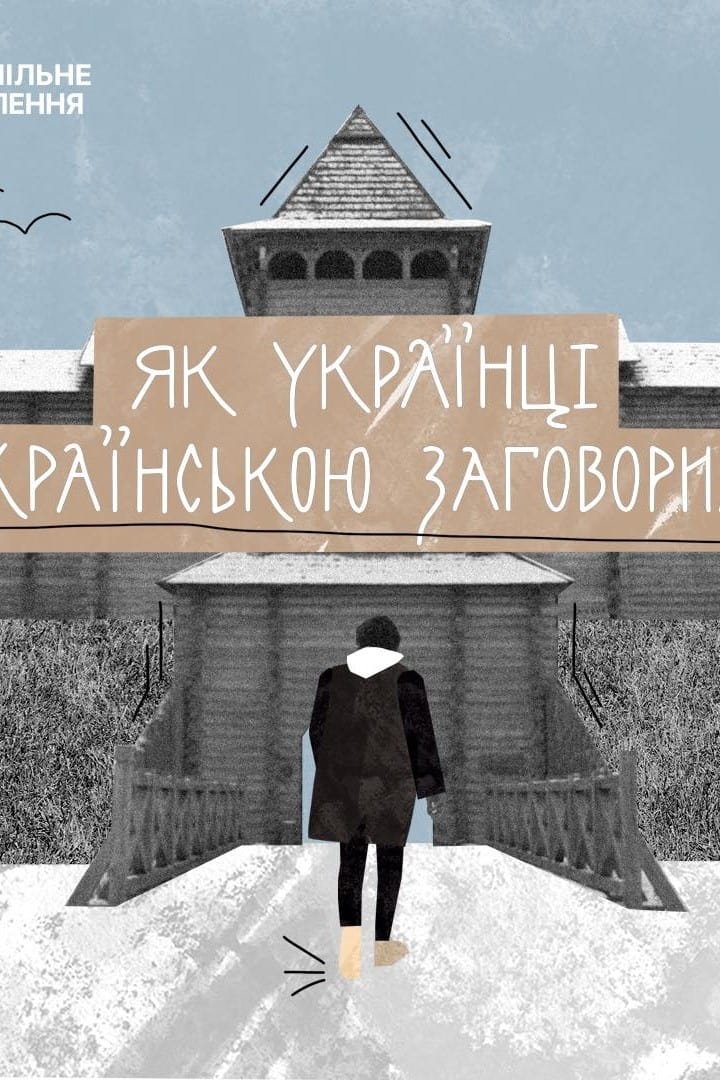
How Ukrainians Started Speaking Ukrainian
Documentary
Overview
An educational film about the birth, development, decline, persecution, and flourishing of the Ukrainian language. It shows how it was formed, changed, filled with borrowed words and formed its own neologisms. The film is divided into five historically important periods: Rus, the Grand Duchy of Lithuania, the Hetmanate, the Russian Empire, and the Soviet Union. Each era “spoke” its own language, and here you will hear for the first time how it sounded in different centuries. The presenter, a famous theater and film actor Oleksii Hnatkovskyi, will guide the viewer through the historical periods. In a simple, accurate, sometimes humorous way, he will tell how our language developed during the periods of creation, development, division, fierce wars and total bans.
Top Cast

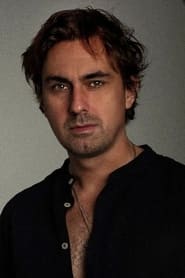
Oleksii Hnatkovskyi
Oleksii Hnatkovskyi
Host - self
Oleksii Hnatkovskyi
Host - self
Similar Movies
The film tells the story of the development of Ukrainian dubbing. Until 2006, there was almost no Ukrainian dubbing on the big screen. According to the film's screenwriter Alina Stepanets, it is a great achievement that over 90% of films in theatres are now dubbed into Ukrainian. The secrets of working on Ukrainian dubbing are discussed in the film by such well-known film figures as film distributor and owner of the dubbing studio Bohdan Batrukh, dubbing director Olha Fokina, actors Yevhen Malukha, Yurii Kovalenko, Oleh Mykhailiuta (Fahot), translator Oleksa Nehrebetskyi and many others. In addition, the film's characters will recall working on the Ukrainian dubbing of their first films, Cars and Pirates of the Caribbean: Dead Man's Chest.
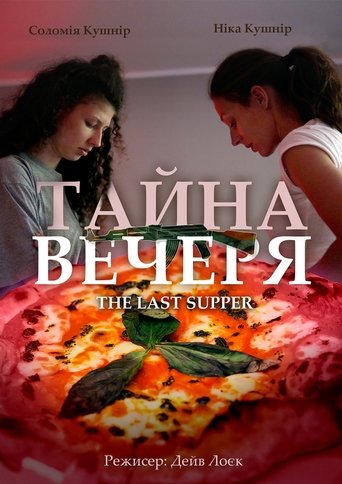
Alexandra and Timofeya have a serious problem. A woman lies dead on the living room floor. When they discover that she is Eva and Sveta Kalaschnikova’s wife (the local Russian Mafia boss), and that Alex has been having an affair with Eva, the possibility of three dead women becomes a reality.

A critique of liquid love through sarcasm and crude humor. With the desire that the viewer empathize with the protagonists and reflect on the ephemerality of sexual-affective relationships in modern society. At the end of the short film, the transformation of people into mere consumer goods will be clear, which, once they have been used, are discarded