

The Biggest Nose in Borneo
Documentary
Overview
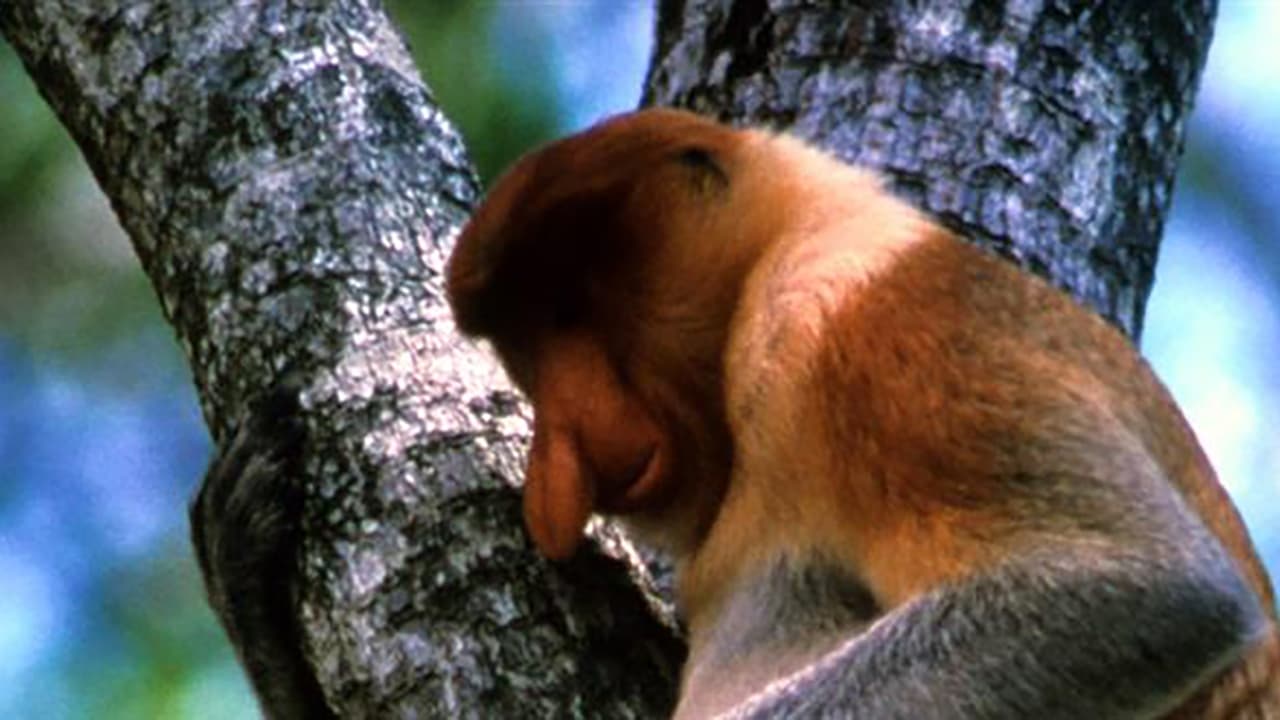
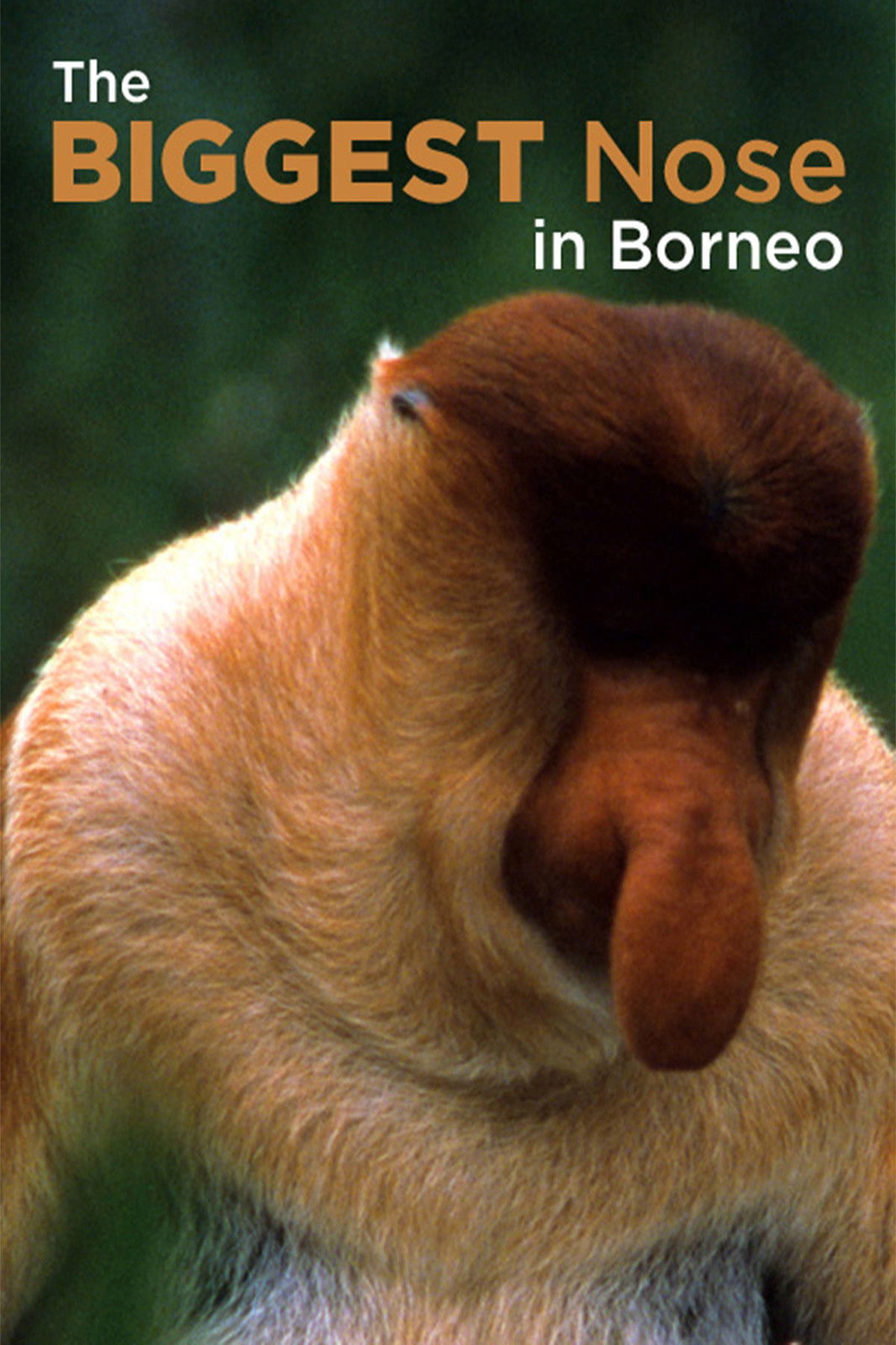
With their future in peril, two male Proboscis monkeys on the remote Island of Borneo deal with the human invasion that will destroy their idyllic home.
Top Cast



Stephen Fry
Stephen Fry
Narrator
Stephen Fry
Narrator
Similar Movies
Rhesus Monkeys of Santiago Island, Puerto Rico" (1966) is an in-depth documentary that explores the establishment and subsequent study of a rhesus monkey colony on Cayo Santiago, a small island located off the southeastern coast of Puerto Rico. This colony, established by the National Institutes of Health (NIH), serves as a significant site for research into the social behavior and population ecology of rhesus monkeys (Macaca mulatta).
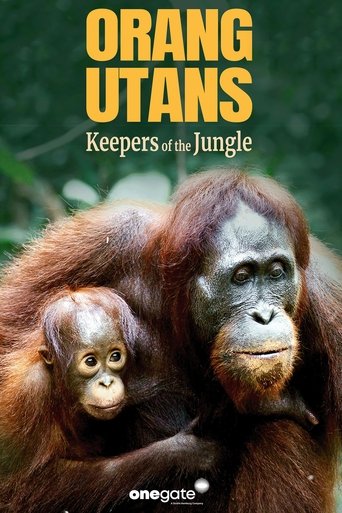
In the heart of Borneo's rainforests, one of the oldest and most biodiverse ecosystems on Earth, lives the orangutan, arguably the largest tree dweller. The main story is about mother ape Sati and her one-and-a-half-year-old daughter Huyan on their journey through the jungle, while at the Sepilok Orangutan Rehabilitation Centre, orphaned and rescued young animals are given a chance at a new life in the wild. But their habitat is threatened by radical deforestation and palm oil plantations. This impressive documentary shows these endangered great apes at eye level for the first time. With the help of innovative drone technology an insight into the dizzying treetops of the jungle giants was, achieved where they mostly stay. It discovering the secret lives of these extraordinary animals with insightful footage and partly some scenes never before seen. Unforgettable images illustrate why protecting the rainforests is crucial for the orangutans and the future of our planet.
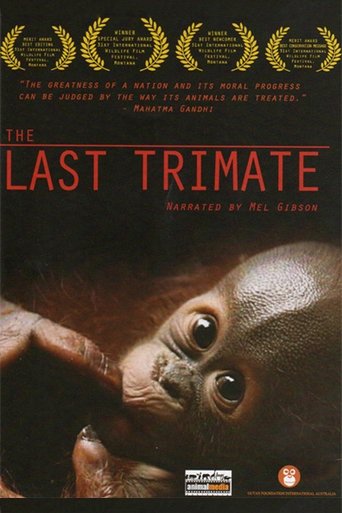
Narrated by Mel Gibson, The Last Trimate is a compelling account of the work of Birute Mary Galdikas -- who, alongside Jane Goodall and Dian Fossey, is one of the three formidable women to have dedicated their lives to the great apes of the world -- she highlights the plight of the elusive 'red ape' and offers some hope for their survival as their very habitat is decimated at a startling rate.
In 1970, a picture of a snow monkey bathing in a hot spring graced the cover of Life Magazine. Ever since, Japan's hot-tubbing primates have been protected and well fed for the enjoyment of tourists and photographers - they have become international superstars of the natural world. But while their unique lifestyle has brought fame, the rest of Japan's snow monkeys lead very different lives, enduring incredible hardships as they fight for survival in their beautiful but unforgiving mountain home.
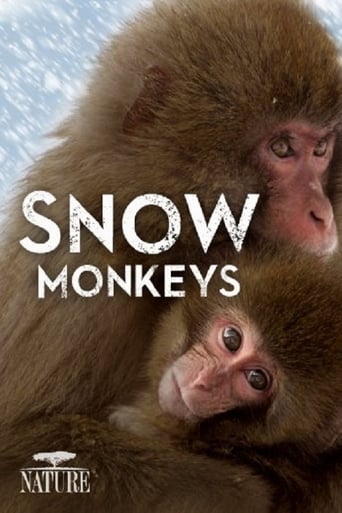
In the frigid valleys of Japan's Shiga Highlands, a troop of snow monkeys make their way and raise their families in a complex society of rank and privilege where each knows their place. Their leader is still new to the job and something of a solitary grouch. But one little monkey, innocently unaware of his own lowly social rank, reaches out to this lonely leader, forming a bond with him that manages over time to warm his less than sunny disposition. It is a rare and remarkable gesture that alters both their lives. Changing seasons bring new babies to care for, a profusion of insects and blossoms to eat, family disagreements to squabble over and tragedies to overcome. Mating season brings competition for females, as the days grow shorter and colder in a rush toward winter. But with their now confident leader to guide them and their families to shelter and care for them, this troop of snow monkeys is ready to face the world.
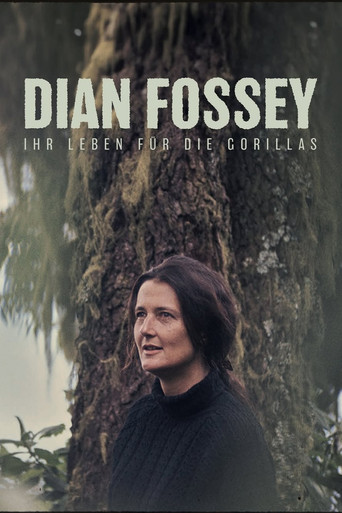
She was the first to study gorillas in their natural environment: the high mountains of Rwanda, where she settled in 1967. For nearly twenty years, Dian Fossey lived with the gorillas, observed their behavior, and changed the way people viewed them. Her relentless fight against poaching prevented the species from becoming extinct. But in December 1985, the primatologist was murdered, and the mystery surrounding her death remains unsolved. Former colleagues, scientists, and biographers shed light on the impact of her work, but also on the darker sides of her personality and her uncompromising commitment.
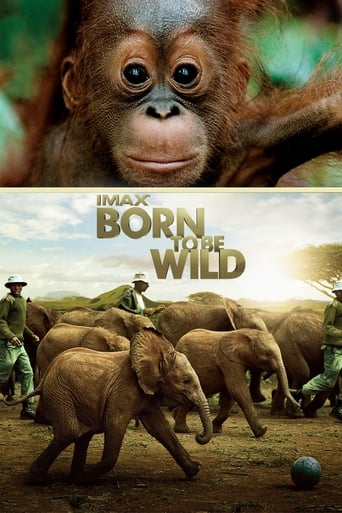
Born to Be Wild observes various orphaned jungle animals and their day-to-day behavioural interactions with the individuals who rescue them and raise them to adulthood. The film unfurls in two separate geographic spheres. Half of it takes place in the rain forests of Borneo, where celebrated primatologist Dr. Birute Galdikas assists baby orangutans; the other half takes place on the arid savannahs of Kenya, where zoologist Dame Daphne Sheldrick works with baby elephant calves.
Her name is Green, she is alone in a world that doesn't belong to her. She is a female orangutan, victim of deforestation and resource exploitation. This film is an emotional journey with Green's final days. It is a visual ride presenting the treasures of rain forest biodiversity and the devastating impacts of logging and land clearing for palm oil plantations.