

Claves, 3: Small mother country, great mother country
Documentary
Overview
Documentary in four parts on Latin American cinema. Third episode: from the 1960s, France and Europe showed a real enthusiasm for Latin American cinema, but the latter remained hampered by numerous economic and political obstacles.








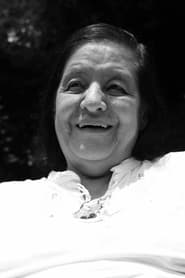
Marta Rodríguez
Marta Rodríguez
Self
Marta Rodríguez
Self
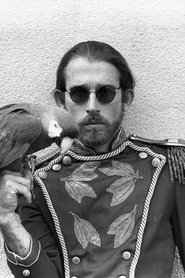
Diego Rísquez
Diego Rísquez
Self
Diego Rísquez
Self
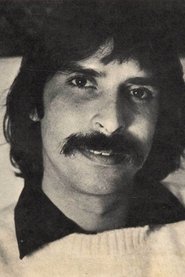
Julio Neri
Julio Neri
Self
Julio Neri
Self
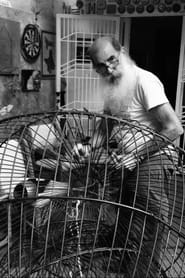
Carlos Castillo
Carlos Castillo
Self
Carlos Castillo
Self
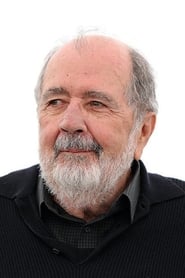
Carlos Diegues
Carlos Diegues
Self
Carlos Diegues
Self
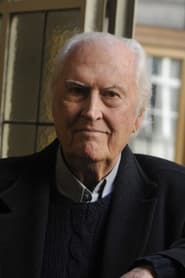
Fernando E. Solanas
Fernando E. Solanas
Self
Fernando E. Solanas
Self
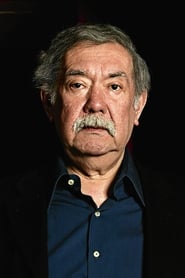
Raúl Ruiz
Raúl Ruiz
Self
Raúl Ruiz
Self
Guy Hennebelle
Guy Hennebelle
Self
Guy Hennebelle
Self
Pierre-Henri Deleau
Pierre-Henri Deleau
Self
Pierre-Henri Deleau
Self
Claude Antoine
Claude Antoine
Self
Claude Antoine
Self
Similar Movies
Documentary in four parts on Latin American cinema. Second episode, evoking the border between fiction and documentary. With his film Tire dié (1960), the Argentinian Fernando Birri proposed this manifesto: to create a realistic and critical national cinema, closer to society without falling into populism.
Documentary in four parts on Latin American cinema. Fourth episode: in Cuba, the ICAIC, created in the aftermath of the Castro revolution, is at once a film school, a production company and a state cultural branch. Cuban filmmakers testify to the situation and themes specific to their national cinema.
Documentary in four parts on Latin American cinema. First episode: the influences of Cahiers du cinéma, the New Wave, Italian neorealism. In Brazil, Cinema Novo draws inspiration from these models while drawing on the historical and cultural singularity of the country. The documentary was awarded the Prix Makhila d’or at the Festival de Biarritz, France.

Jimena admires the perfection of her parents marriage. However, an unexpected gesture from her mother awakens a doubt in her that begins to unsettle the idealized image she has always had of her family. Jimena confronts the hidden side of morality and comes to understand that nothing is as it seems.