

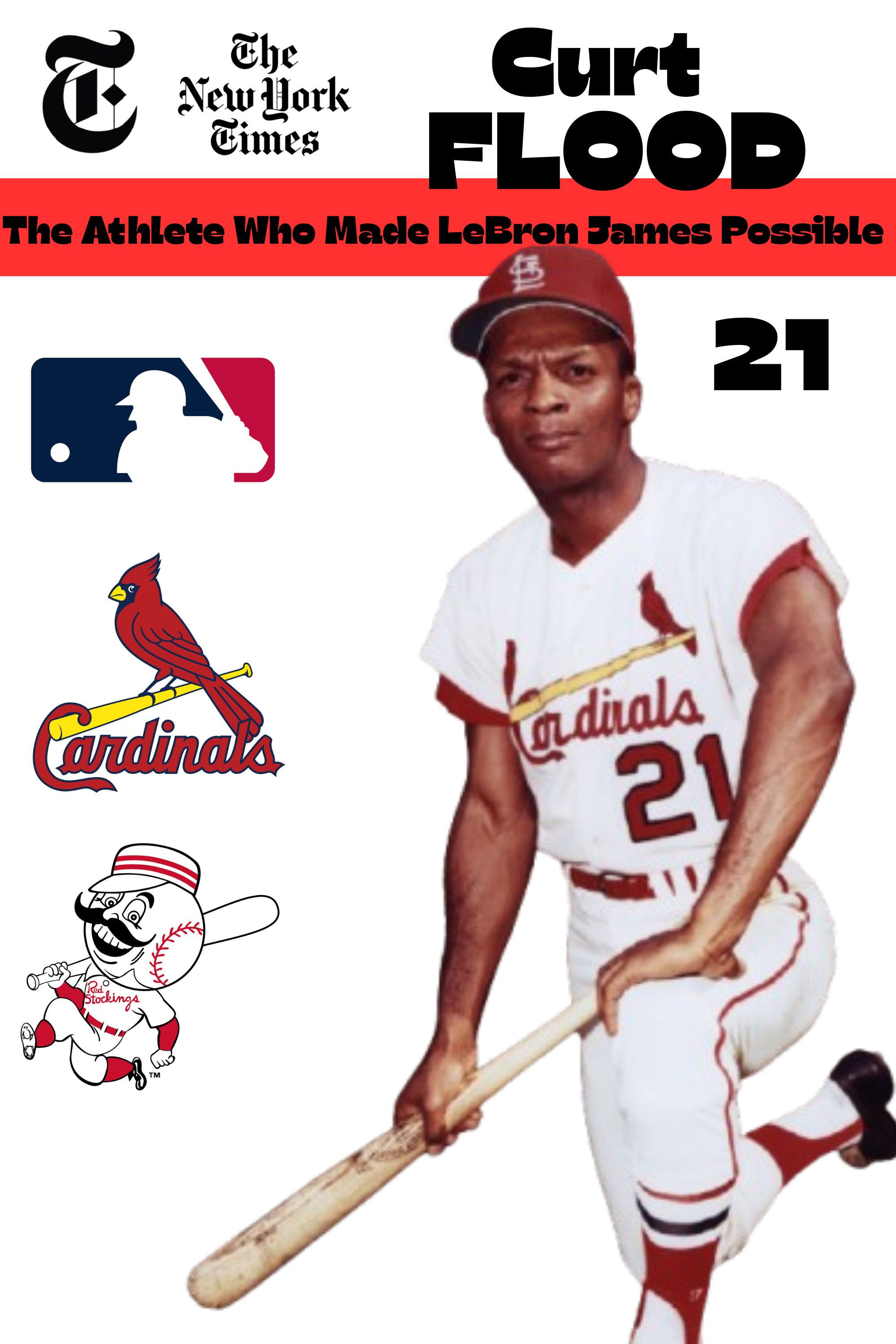
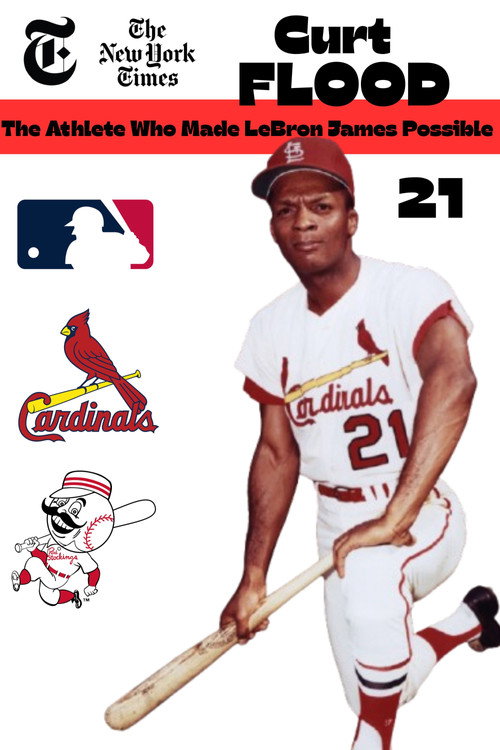
Curt Flood: The Athlete Who Made LeBron James Possible
Documentary
Overview
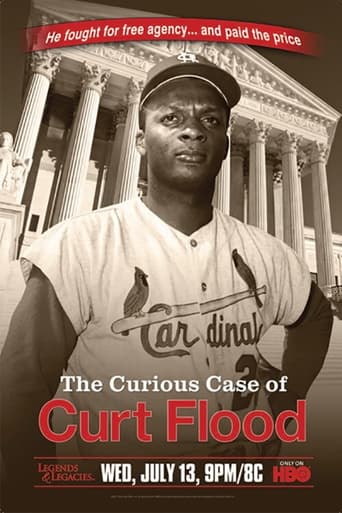
"When baseball star Curt Flood rejected a trade in 1969, he challenged America’s pastime and helped spark a revolution that rippled beyond the game" (The New York Times)..
Top Cast
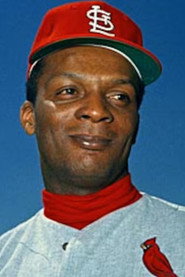
Curt Flood
Self (Archive Footage)
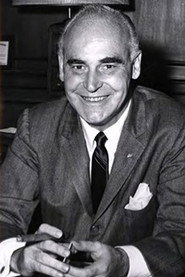
Charles Finley
Self (Archive Footage)
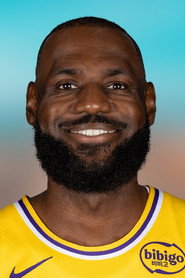
LeBron James
Self (Archive Footage)

Brad Snyder
Self
Judy Pace Flood
Self (Curt Flood's Widow)
Howard Cosell
Self (Archive Footage)

Oscar Robertson
Self

Rick Barry
Self (Archive Footage)

Wayne Gretzky
Self (Archive Footage)
Jim Gray
Self (Archive Footage)

Dwyane Wade
Self (Archive Footage)

George W. Bush
Self (Archive Footage)

Curt Flood
Curt Flood
Self (Archive Footage)
Curt Flood
Self (Archive Footage)
Charles Finley
Charles Finley
Self (Archive Footage)
Charles Finley
Self (Archive Footage)
LeBron James
LeBron James
Self (Archive Footage)
LeBron James
Self (Archive Footage)
Brad Snyder
Brad Snyder
Self
Brad Snyder
Self
Judy Pace Flood
Judy Pace Flood
Self (Curt Flood's Widow)
Judy Pace Flood
Self (Curt Flood's Widow)
Howard Cosell
Howard Cosell
Self (Archive Footage)
Howard Cosell
Self (Archive Footage)
Oscar Robertson
Oscar Robertson
Self
Oscar Robertson
Self
Rick Barry
Rick Barry
Self (Archive Footage)
Rick Barry
Self (Archive Footage)
Wayne Gretzky
Wayne Gretzky
Self (Archive Footage)
Wayne Gretzky
Self (Archive Footage)
Jim Gray
Jim Gray
Self (Archive Footage)
Jim Gray
Self (Archive Footage)
Similar Movies
Actor William Petersen narrates this documentary about Chicago's venerable baseball stadium, Wrigley Field, focusing on a variety of quirky fans who've spent so much time there that they've become part of the stadium experience. These colorful Cubs enthusiasts tell their stories and discuss how both baseball and Wrigley Field have become an integral part of their lives. A bonus feature on Comiskey Park -- home of the rival White Sox -- is included.
The World Series champion Mets of 1969 and 1986 were embraced by fans for their pitching, personalities, and perseverance. In 1969, the world was mesmerized by man's first steps on the moon. The world of baseball was equally transfixed by the Mets. New York relied on pitching from Tom Seaver and Jerry Koosman, and the hitting of Tommie Agee and Cleon Jones to register the Club's first 100-win season. It took the 1986 Mets two games to recover from a grueling NLCS, and then the fiery Lenny Dykstra led the charge. With two road victories pushing the Fall Classic back to Shea Stadium, the stage was set for Game Six--and arguably the most remarkable comeback in baseball history...
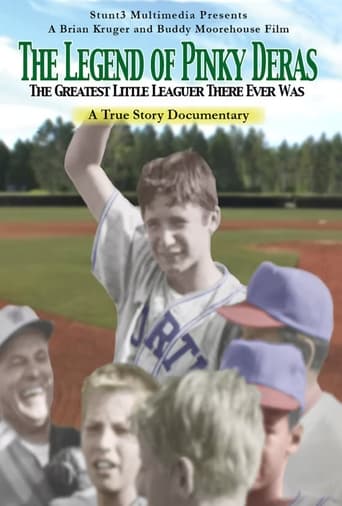
Since Little League Baseball was founded in 1939, about 40 million kids have played the sport. The list includes future Hall of Famers like Carl Yastrzemski, Tom Seaver and Nolan Ryan, and hundreds of other future Major Leaguers. But of all the kids who ever played Little League, the best of the best was a boy you’ve probably never heard of: Art “Pinky” Deras. In the summer of 1959, he led the team from Hamtramck, Mich., to the Little League World Series title, and in the process, he put together a Little League season the likes of which we might never see again. His amazing story comes to life in “The Legend of Pinky Deras: The Greatest Little-Leaguer There Ever Was,” a new film from Blue Hammer Films. Pinky received a ton of national publicity back in 1959, but then he fell off the map. In the half-century since he lit the Little League world on fire, there have been no films about him, no magazine stories, not even a single newspaper article.
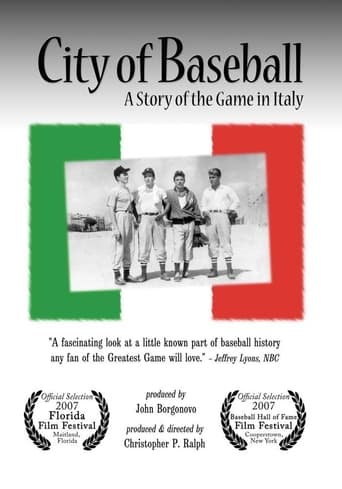
"City of Baseball" is a documentary that explores both the past and the present of the Italian baseball league in the seaside resort of Nettuno near Rome. Through league pioneers, current players, fans, and local historians, "City of Baseball" captures the story of how the 1944 Allied invasion of Nettuno brought the American pastime to a town which embraced the sport with a passion that continues today.

Babe Ruth set a record in 1927 by hitting 60 home runs in one season. 34 years later, Roger Maris broke that record. Another 37 years passed before that record was broken by Mark McGwire. Five days after McGwire's feat, Sammy Sosa broke the brand new record. And the race was on! Fans watched breathlessly as the record passed between the two men and time left in the season dwindled. Relive it all, from Ruth, to Maris, to the final days of the 1998 Sosa/McGwire slug-fest.

Born in 1918 in San Diego, Williams was a latchkey child from a broken home, raised by a mother more dedicated to the Salvation Army than to her two sons, and by a father who spent more time away from home than in it. Williams found salvation by doing the one thing he loved most: hitting baseballs. In his rookie season with the Red Sox, where he would spend his entire career as a player, Williams batted .327, socked 31 homers and led the league with 145 RBI. Over the next 21 years, despite losing five seasons of his prime to active service as a U.S. Marine Corps pilot, Williams hit 521 home runs, twice captured the Triple Crown, and became the oldest man ever to win a batting title. He finished his career with a .344 lifetime batting average, was the last man to hit over .400 in a full season, batting .406 in 1941, and was a first-ballot inductee into the Baseball Hall of Fame.
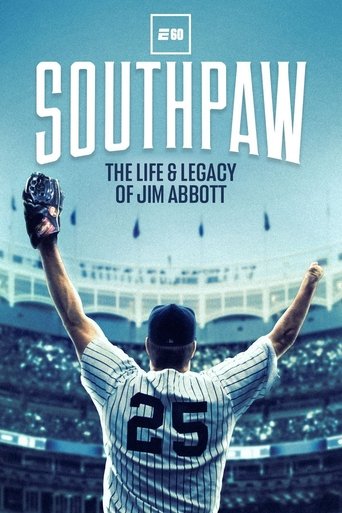
Yankee Stadium has seen a plethora of legends over the franchise's storied history, but few have left a legacy as unique as Jim Abbott's. On September 4, 1993, the pitcher, who was born without a right hand, threw a no-hitter in front of the Yankee faithful. This astonishing achievement is merely one in a lifetime of perseverance, as Abbott continues to advocate for people with disabilities.
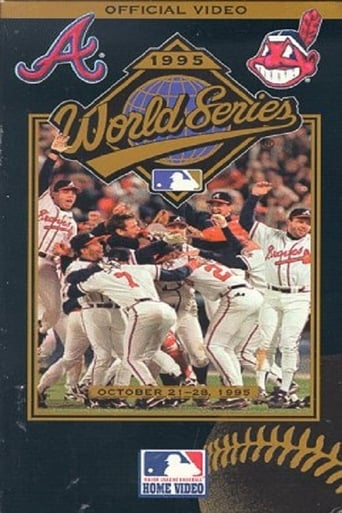
The 1995 World Series featured the two best teams in baseball. The Cleveland Indians won 100 games in a shortened season, and they made it to the World Series for the first time in 41 years. The Atlanta Braves had been here before, twice in the previous four years. With the best pitching staff in baseball, they were called the team of the '90's. Still they needed a World Series Title to claim that crown. This official documentary of the 1995 World Series includes all the dramatic moments of the six-game battle between the Indians and the Braves including: Eddie Murray's game-winning single at frenzied Jacobs Field. Orel Hershiser's gutsy performances against the incredible Greg Maddux. Dave Justice talking the talk...and then walking the walk. Tom Glavine, the series MVP, pitching one-hit baseball under phenomenal pressure.
"This film explores how freedom of speech — including dissent — is afforded to all Americans, and shows freedom of expression in art, music, dance, architecture, and science. The film also emphasizes the importance of the individual’s contribution to the whole of society and demonstrates how a productive and creative society is formed by the open and respectful exchange of ideas. The film was written, produced, and directed by William Greaves" (National Archives).