

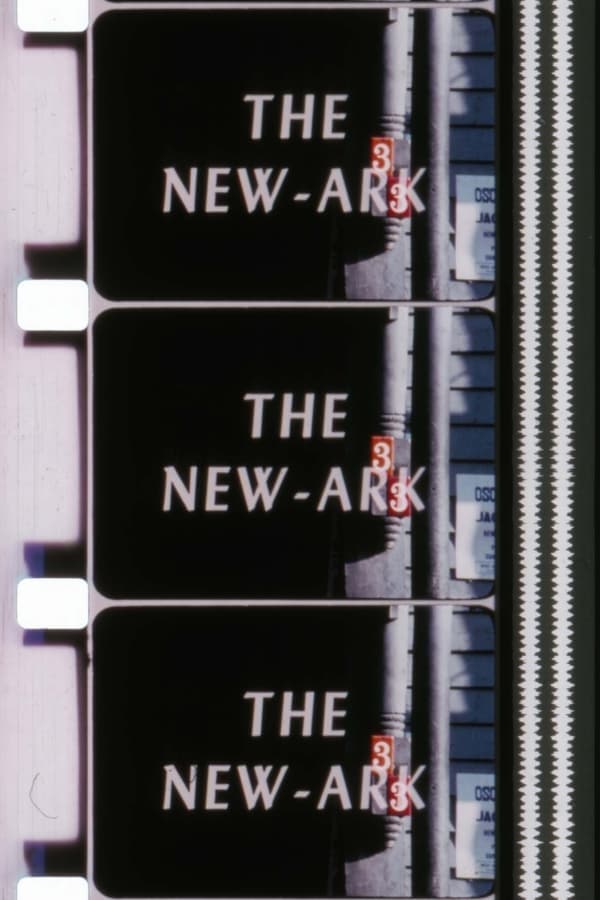
The New-Ark
Documentary
Overview
Beginning as a city-symphony of Newark streets, buildings, and people set to wordless chanting, The New-Ark quickly arrives at its political imperatives: Black Power must be accomplished through nationalism, and "a nation is organization." The film focuses on black education, urban public theater, and political consciousness-raising inside and outside of Spirit House - director Amiri Baraka's Black nationalist community center.

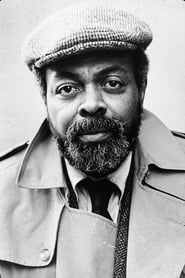
Amiri Baraka
Amiri Baraka
Self
Amiri Baraka
Self
Maulana Karenga
Maulana Karenga
Self
Maulana Karenga
Self
Similar Movies
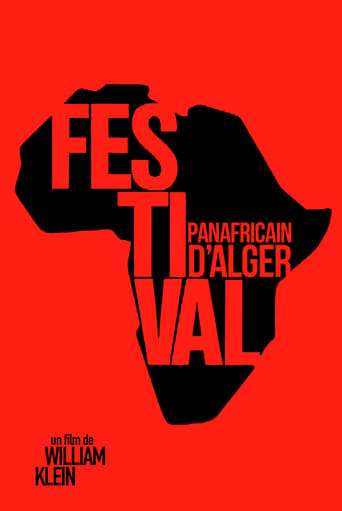
Festival panafricain d'Alger is a documentary by William Klein of the music and dance festival held 40 years ago in the streets and in venues all across Algiers. Klein follows the preparations, the rehearsals, the concerts… He blends images of interviews made to writers and advocates of the freedom movements with stock images, thus allowing him to touch on such matters as colonialism, neocolonialism, colonial exploitation, the struggles and battles of the revolutionary movements for Independence.
An examination of the Black Power movement in the late 1960s in the UK, surveying both the individuals and the cultural forces that defined the era. At the heart of the documentary is a series of astonishing interviews with past activists, many of whom are speaking for the first time about what it was really like to be involved in the British Black Power movement, bringing to life one of the key cultural revolutions in the history of the nation.
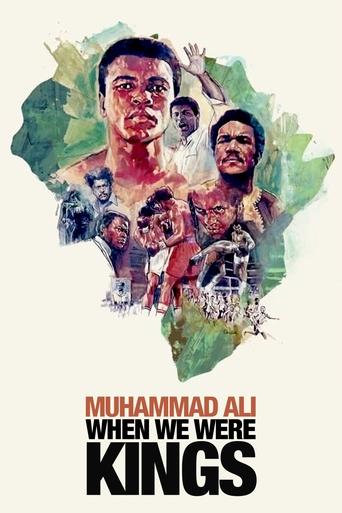
It's 1974. Muhammad Ali is 32 and thought by many to be past his prime. George Foreman is ten years younger and the heavyweight champion of the world. Promoter Don King wants to make a name for himself and offers both fighters five million dollars apiece to fight one another, and when they accept, King has only to come up with the money. He finds a willing backer in Mobutu Sese Suko, the dictator of Zaire, and the "Rumble in the Jungle" is set, including a musical festival featuring some of America's top black performers, like James Brown and B.B. King.

Examines the evolution of the Black Power Movement in US society from 1967 to 1975. It features footage of the movement shot by Swedish journalists in the United States during that period and includes the appearances of Angela Davis, Bobby Seale, Huey P. Newton, Eldridge Cleaver, and other activists, artists, and leaders central to the movement.
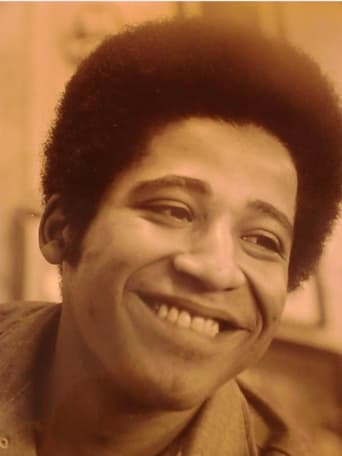
Courtesy of The Freedom Archives 1972, 28 min. This extraordinary video is from a 16mm film “work print” made in 1971–1972, and includes interviews with George Jackson, Georgia Jackson (George and Jonathan Jackson’s mother) and Angela Davis, while she was still in the Marin County Courthouse Jail, before her acquittal. We have not been able to identify the other prisoners. As you will see, the film has no titles or other credits. The discovery of such amazing, previously unknown historic materials always leaves us thrilled and in awe, deepening our understanding of those times and affirming the mission of the Freedom Archives.
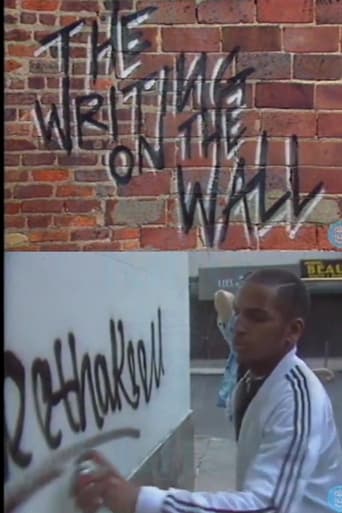
"In this half-hour documentary, Producer Sandra King provides an intimate portrait of a public phenomenon: Graffiti. Over an 18 month period, King and her crew followed the teenage members of a graffiti 'crew,' Vandals on the Street, as they painted and rapped and moved through the streets of downtown Newark. What emerges is a unique glimpse behind the 'tags' at the kind of inner city kids who write on walls, but who also make art; who create out of wedlock children, but who also form binding relationships; who drop out of school and never read a book, but who create their own brand of poetry through the medium of 'rap.'
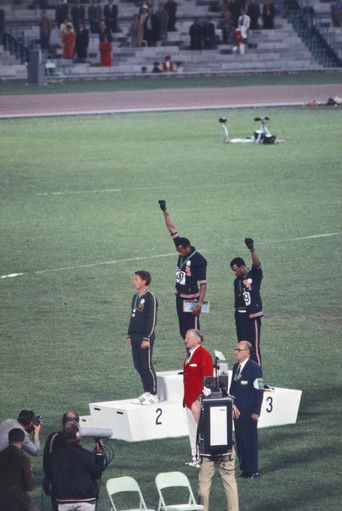
A film about one of the most iconic images of the 20th century, the moment when the radical spirit of the 1960s upstaged the greatest sporting event in the world. Two men made a courageous gesture that reverberated around the world, and changed their lives forever. This film is about Tommie Smith and John Carlos' protest at the 1968 Olympics.

Filmed on the rooftops of lower Manhattan, this performance film features the original Last Poets performing 28 numbers adapted from their legendary Concept-East Poetry appearance at New York's Paperback Theater in 1969. Described as “a conspiracy of ritual, street theater, soul music and cinema."