

The President, April 1968
Documentary
Overview
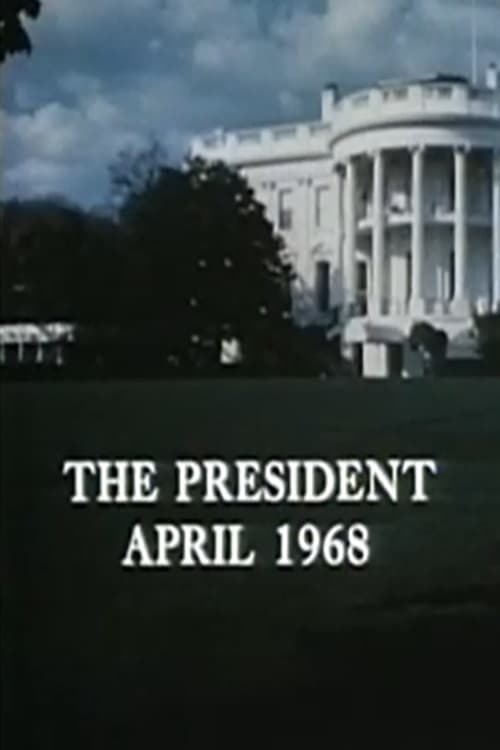
The film captures the pivotal events surrounding President Lyndon Johnson's historic address on March 31st, focusing on his decision to halt bombing in North Vietnam and his surprising announcement not to seek re-election. The speech aimed for peace negotiations amidst the Vietnam War, leading to diplomatic breakthroughs with North Vietnam. It also chronicles the aftermath, including societal unrest following Martin Luther King Jr.'s assassination and Johnson's efforts to maintain national unity.


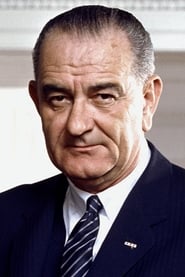
Lyndon B. Johnson
Lyndon B. Johnson
Self (archive footage)
Lyndon B. Johnson
Self (archive footage)
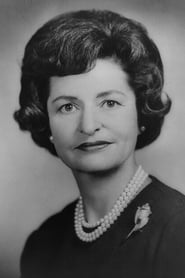
Lady Bird Johnson
Lady Bird Johnson
Self (archive footage)
Lady Bird Johnson
Self (archive footage)
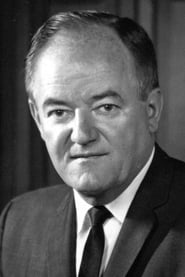
Hubert H. Humphrey
Hubert H. Humphrey
Self (archive footage)
Hubert H. Humphrey
Self (archive footage)
Dwight D. Eisenhower
Dwight D. Eisenhower
Self (archive footage)
Dwight D. Eisenhower
Self (archive footage)

Robert F. Kennedy
Robert F. Kennedy
Self (archive footage)
Robert F. Kennedy
Self (archive footage)
Similar Movies
Born into poverty in Panama, Cirilo McSween’s journey is one of defiance, resilience, and triumph over systemic barriers. Against the backdrop of Jim Crow America, he confronts racism while pursuing the American Dream. From his arrival in the U.S. as an ambitious immigrant to his rise as a trailblazing entrepreneur and civil rights activist, McSween’s life stands as a testament to determination and community. Through tireless advocacy for equality and opportunity, he helped shape both Panama’s identity and Chicago’s civil rights movement. A confidant of Dr. Martin Luther King Jr., a pioneering insurance executive, and a philanthropist empowering underserved communities, McSween’s story bridges nations and generations. CIRILO, A Legacy Untold illuminates a transformative figure whose legacy continues to inspire across the Americas.
The Tet Offensive during the Vietnam War, the Civil Rights Movement, the May events in France, the assassinations of Martin Luther King and Robert F. Kennedy, the Prague Spring, the Chicago riots, the Mexico Summer Olympics, the presidential election of Richard Nixon, the Apollo 8 space mission, the hippies and the Yippies, Bullitt and the living dead. Once upon a time the year 1968.
Shipyard is a landmark documentary covering the creation and life of Bellingham, Washington's wooden boat shipyard, which was built in response to the Axis threat of WWII, it's continued growth through the '50's and '60's, as well as it's innovative role in the development and production of fiberglass boats, including patrol riverboats for the Vietnam war.
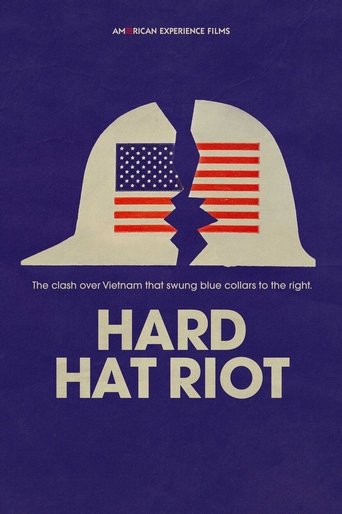
On May 8, 1970, construction workers violently clashed with students demonstrating against the Vietnam War in lower Manhattan. The workmen, who came to be known as “hardhats,” were at the cutting edge of a new kind of class war. With the war in Vietnam raging on, it was the sons of the working class who were doing most of the fighting. Workmen saw the protesting students as privileged “draft dodgers” disparaging the country and those who fought for it. On the other side, many student activists saw the workers as pawns, unwilling to see the changes that America needed. Hard Hat Riot tells the story of a struggling metropolis, a flailing president, a divided people, and a bloody juncture when the nation violently diverged ― culminating in a new political and cultural landscape that radically redefined American politics and foreshadowed the future.
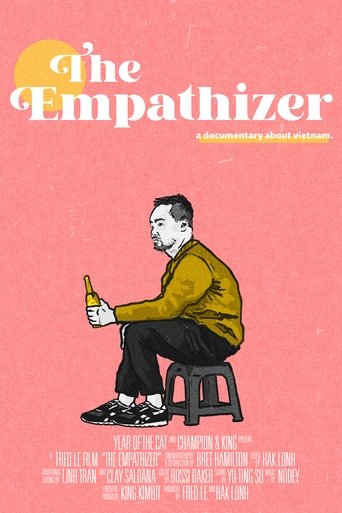
Standup comedian Fred Le hears the stories of a diverse range of young overseas-born Vietnamese who made their way back to the land that their parents left following the end of the Vietnam War. The Empathizer explores identity and the impact of trauma among Việt Kiều who grew up a generation removed from tragic events of the past.
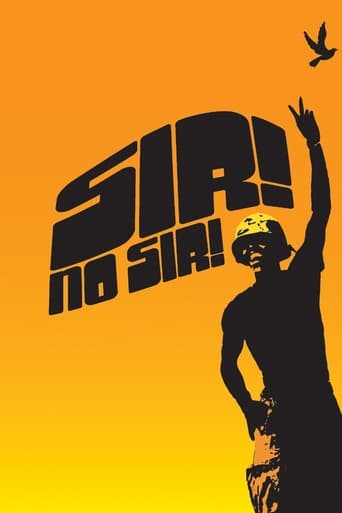
Sir! No Sir! is a documentary film about the anti-war movement within the ranks of the United States Military during the Vietnam War. It consists in part of interviews with Vietnam veterans explaining the reasons they protested the war or even defected. The film tells the story of how, from the very start of the war, there was resentment within the ranks over the difference between the conflict in Vietnam and the "good wars" that their fathers had fought. Over time, it became apparent that so many were opposed to the war that they could speak of a movement.