


Documentary
Overview
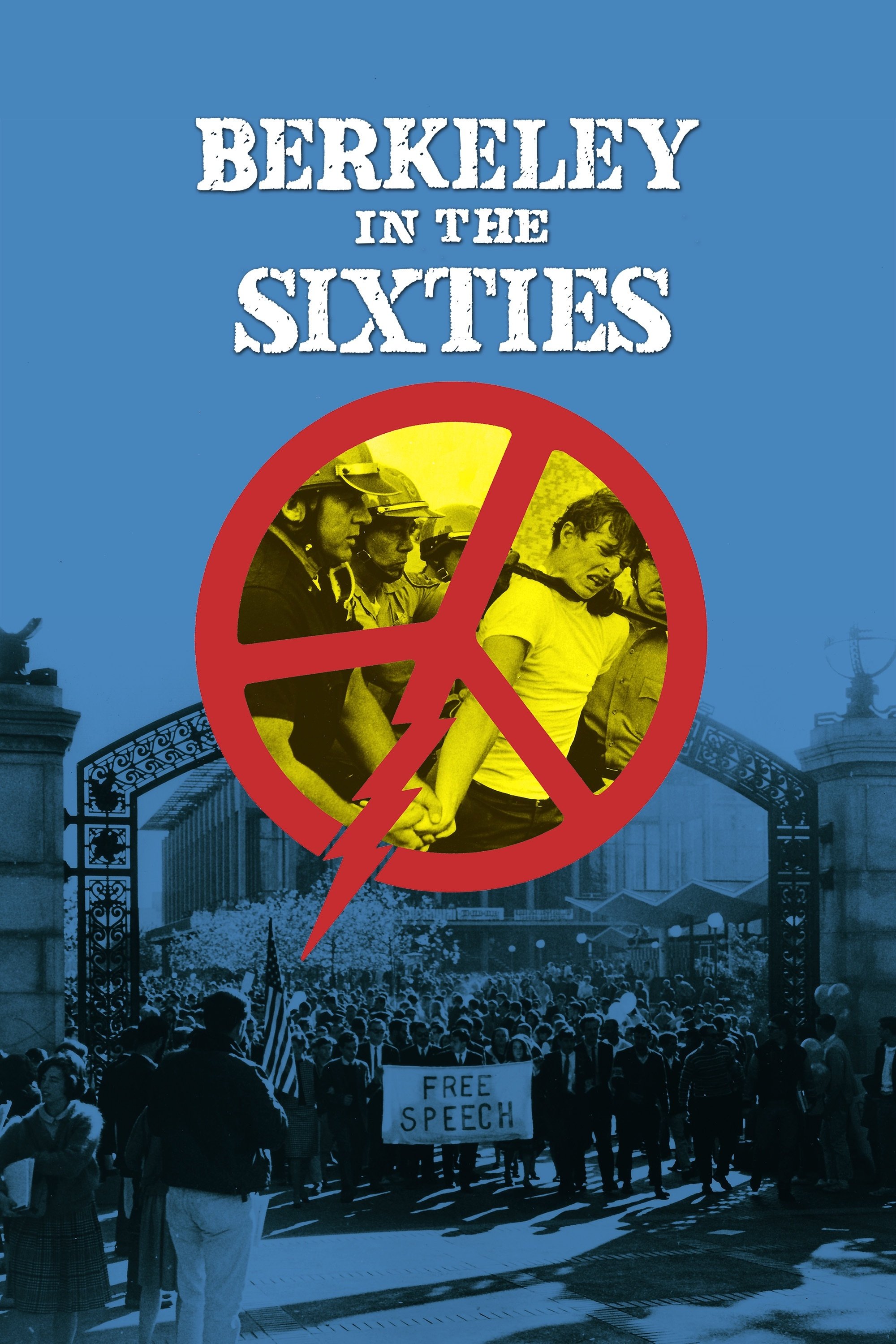
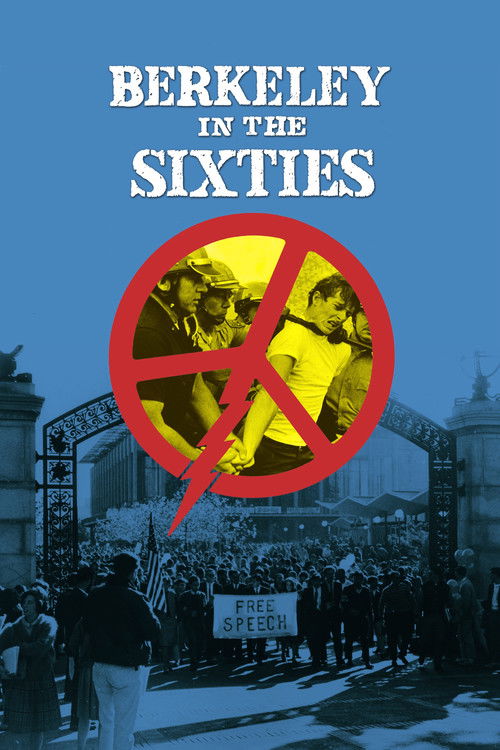
A documentary about militant student political activity at the University of California, Berkeley in the 1960s.
Top Cast

Jentri Anders
Jentri Anders
Self
Jentri Anders
Self
John De Bonis
John De Bonis
Self
John De Bonis
Self
Hardy Frye
Hardy Frye
Self
Hardy Frye
Self
John Gage
John Gage
Self
John Gage
Self
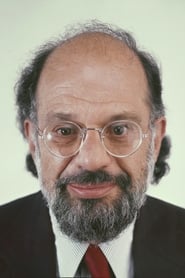
Allen Ginsberg
Allen Ginsberg
Self
Allen Ginsberg
Self
Todd Gitlin
Todd Gitlin
Self
Todd Gitlin
Self
Susan Griffin
Susan Griffin
Self - Narrator
Susan Griffin
Self - Narrator

Joan Baez
Joan Baez
Self (archive footage)
Joan Baez
Self (archive footage)
Frank Bardacke
Frank Bardacke
Self (archive footage)
Frank Bardacke
Self (archive footage)
Mario Savio
Mario Savio
Self (archive footage)
Mario Savio
Self (archive footage)
Similar Movies
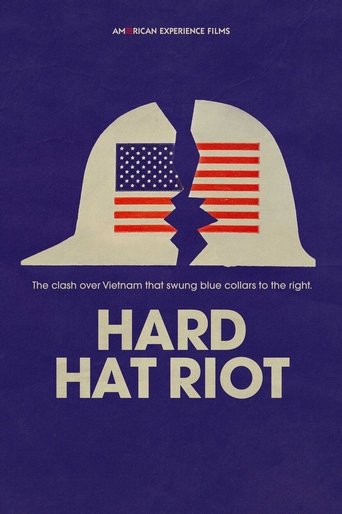
On May 8, 1970, construction workers violently clashed with students demonstrating against the Vietnam War in lower Manhattan. The workmen, who came to be known as “hardhats,” were at the cutting edge of a new kind of class war. With the war in Vietnam raging on, it was the sons of the working class who were doing most of the fighting. Workmen saw the protesting students as privileged “draft dodgers” disparaging the country and those who fought for it. On the other side, many student activists saw the workers as pawns, unwilling to see the changes that America needed. Hard Hat Riot tells the story of a struggling metropolis, a flailing president, a divided people, and a bloody juncture when the nation violently diverged ― culminating in a new political and cultural landscape that radically redefined American politics and foreshadowed the future.
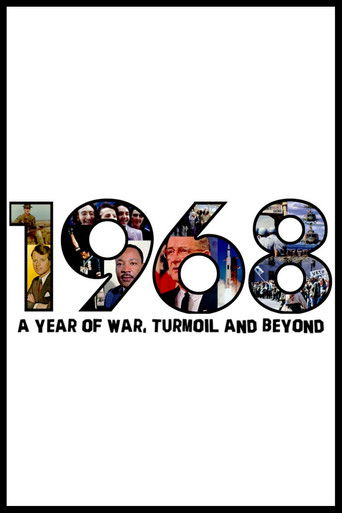
The Tet Offensive during the Vietnam War, the Civil Rights Movement, the May events in France, the assassinations of Martin Luther King and Robert F. Kennedy, the Prague Spring, the Chicago riots, the Mexico Summer Olympics, the presidential election of Richard Nixon, the Apollo 8 space mission, the hippies and the Yippies, Bullitt and the living dead. Once upon a time the year 1968.

For seven years, award-winning Chinese-American filmmaker Nanfu Wang follows Rosa María Payá, daughter of the five time Nobel Peace Prize nominated activist, Oswaldo Payá, in Rosa's fight for democratic change in Cuba. Rosa's narrative is interwoven with Wang's poignant reflections on her Chinese upbringing and her observations of eroding democratic norms in the U.S., revealing unsettling similarities to the authoritarian system she left behind.
In the panorama of Kurdish music, Koma Berxwedan (Group Resistance) is one of the most interesting, innovative, experimental groups. To a deep love for music research the group has always associated a strong political commitment. Some of its members have joined the PKK guerrillas in the mountains of Kurdistan. Three of them died in combat. Some have been forced to live in exile and others continued to challenge the Turkish authorities by carrying out their work in Kurdistan.

Obsessively referring to the traumas and wounds that the Spanish civil war (1936-39) and Franco's dictatorship (1939-75) caused in their day no longer serves to explain the impassable abyss of incomprehension and hatred that the abject policies and radical positions adopted by both the right and the left in recent decades have opened up before the citizens of a country that is barely known beyond hackneyed cultural clichés.
The free, almost naive view from the perspective of a child puts the "68ers" in a new, illuminating light in the anniversary year 2008. The film is a provocative reckoning with the ideological upbringing that seemed so progressive and yet was suffocated by the children's desire to finally grow up. With an ironic eye and a feuilletonistic style, author Richard David Precht and Cologne documentary film director André Schäfer trace a childhood in the West German provinces - and place the major events of those years in completely different, smaller and very private contexts.
Since the late 18th century American legal decision that the business corporation organizational model is legally a person, it has become a dominant economic, political and social force around the globe. This film takes an in-depth psychological examination of the organization model through various case studies. What the study illustrates is that in the its behaviour, this type of "person" typically acts like a dangerously destructive psychopath without conscience. Furthermore, we see the profound threat this psychopath has for our world and our future, but also how the people with courage, intelligence and determination can do to stop it.