

50 anni di CLU
Documentary
Overview
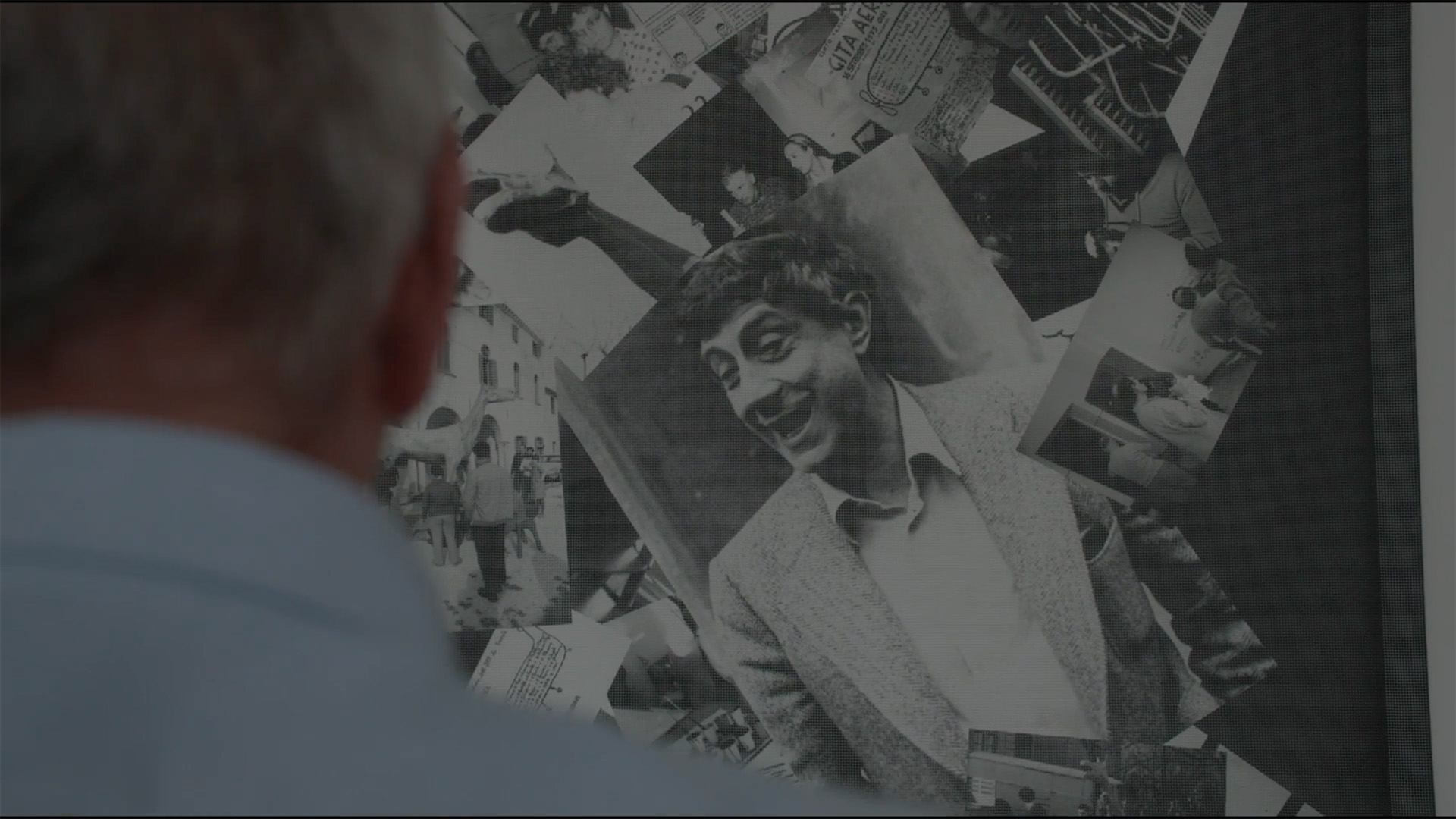
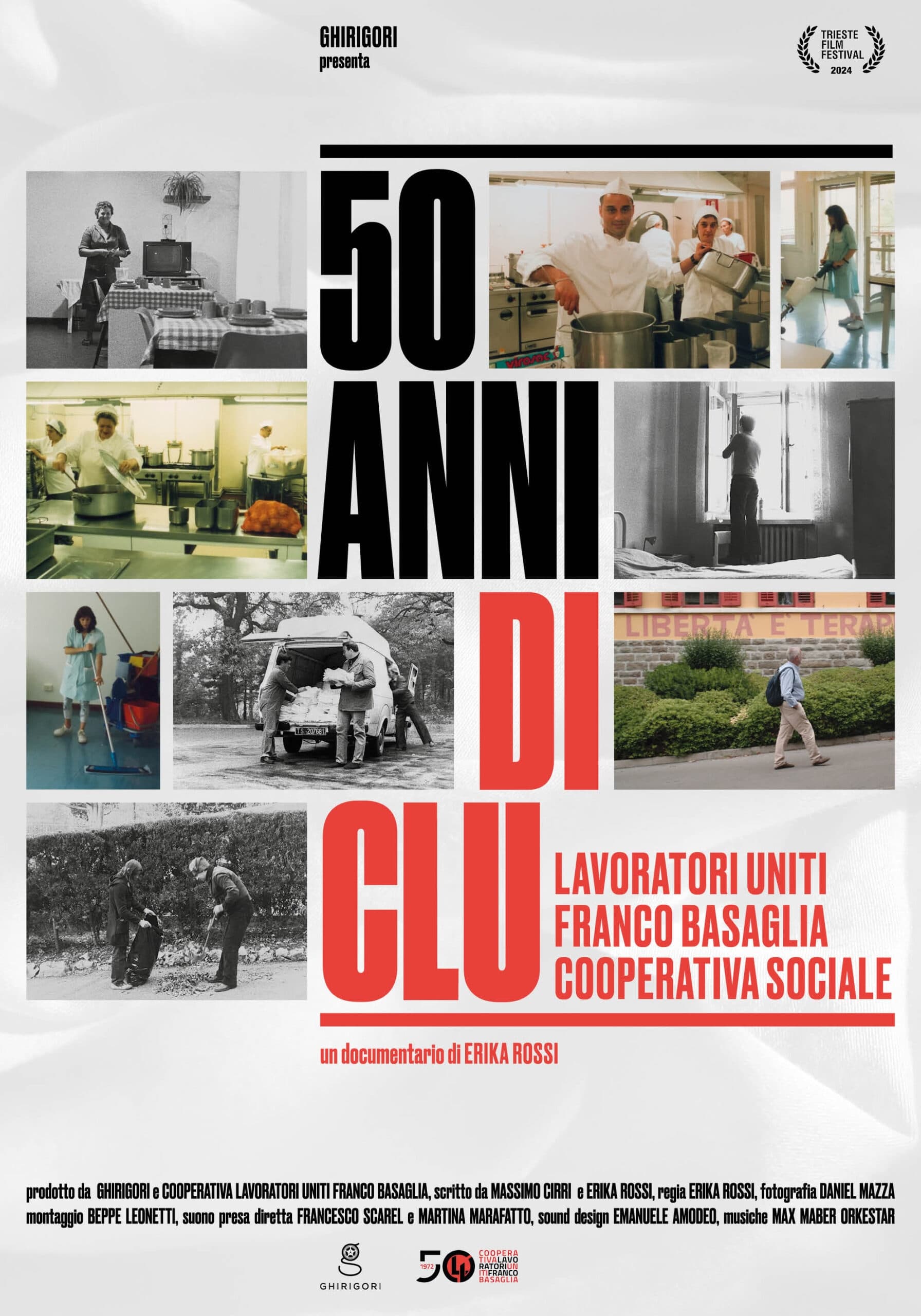
It's December 16, 1972, 50 years ago. The first social cooperative in the world is born in Trieste. It was formed by 28 people: two sociologists, two psychologists, five nurses, a healthcare assistant, two doctors and sixteen private individuals who all have the same residential address: via San Cilino 16, Trieste. They are interned in a psychiatric hospital and therefore have no civil and political rights: they cannot vote, marry or make a will. Imagine founding a cooperative. Thus the Court of Trieste rejected the request to establish the cooperative. It would have been a long march through the institutions.
Top Cast




Massimo Cirri
Massimo Cirri
Self
Massimo Cirri
Self
Ivan Brajnik
Ivan Brajnik
Self
Ivan Brajnik
Self
Giovanna Del Giudice
Giovanna Del Giudice
Self
Giovanna Del Giudice
Self
Roberto Colapietro
Roberto Colapietro
Self
Roberto Colapietro
Self
Franco Rotelli
Franco Rotelli
Self
Franco Rotelli
Self
Augusto Debernardi
Augusto Debernardi
Self
Augusto Debernardi
Self
Peppe Dell'Acqua
Peppe Dell'Acqua
Self
Peppe Dell'Acqua
Self
Michele Zanetti
Michele Zanetti
Self
Michele Zanetti
Self
Gigi Bettoli
Gigi Bettoli
Self
Gigi Bettoli
Self
Galina Oprea
Galina Oprea
Self
Galina Oprea
Self
Similar Movies
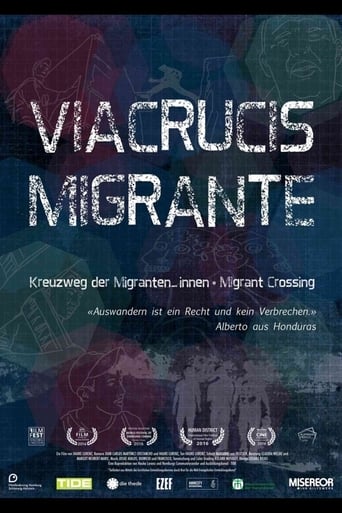
A documentary film about men, women, and children fleeing northward from the existential threats in their home countries of Honduras, El Salvador, and Guatemala. They embark on a perilous journey with an uncertain outcome. Shortly after crossing the southern Mexican border, they find shelter with people who want to help them survive the ordeal of the at least 1,700-kilometer journey to the US.
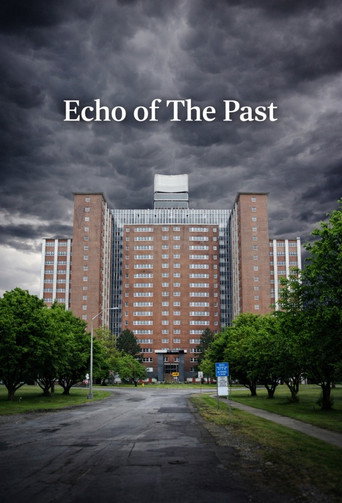
A historical documentary documenting the rise, function, and abandonment of a 17 story building that once housed The Rochester Psychiatric Center. This film tells the story of the building through historical footage, interviews of former staff and patients who recount their memories of the behemoth facility while also exploring the abandoned building as it is today.
The four Afghan refugees who have applied for asylum in Austria strike up the song, “The caravan moves on” again and again. Encouraged by the journalist Lucy Ashton to record their lives on their smartphone cameras as a video diary, the friends film their precarious daily routine between visits to authorities, small jobs, and changing accommodations. Yet even when hope is lost, one certainty remains: the power of friendship.
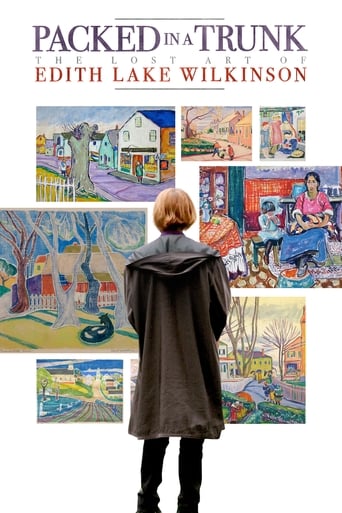
The story of artist Edith Lake Wilkinson, a painter who was committed to an asylum in 1924 and never heard from again. All her worldly possessions were packed into trunks and shipped to a relative in West Virginia where they sat in an attic for 40 years. Edith's great-niece, Emmy Award winning writer and director Jane Anderson, grew up surrounded by Edith's paintings, thanks to her mother who had gone poking through that dusty attic and rescued Edith's work. The film follows Jane in her decades-long journey to find the answers to the mystery of Edith's buried life, return the work to Provincetown and have Edith's contributions recognized by the larger art world.
In 2009 the Norwegian government introduced several measures to restrict immigration. One of the measures was to provide unaccompanied asylum seeking children temporary residence permits. They should be returned to their country of origin when they turn 18. In Norway child welfare custody of their children without close caregivers. This does not apply to unaccompanied asylum-seeking children between 15 and 18 years.
Observation of the asylum procedure in the Federal Republic of Germany, not limited to depicting an individual case, but rather tracing a basic fate. The film captivates with unpretentious black-and-white images that are emotionally moving and show camp life as an agonizing wait for a decision by bureaucrats.