

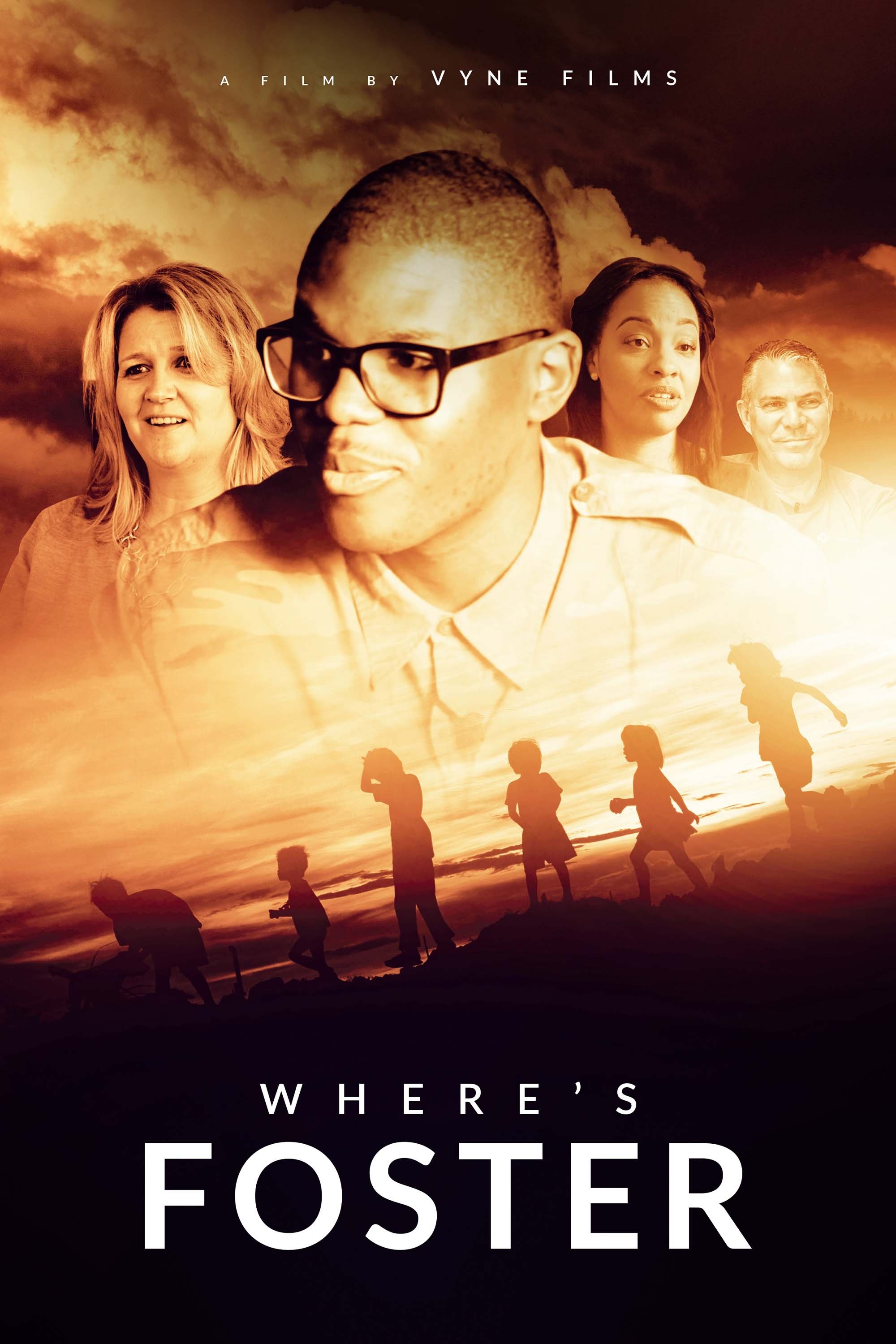
Where's Foster?
Documentary
Overview
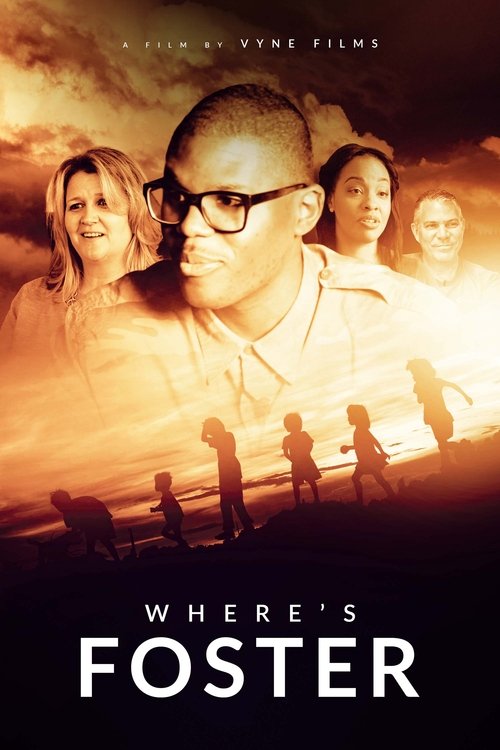
Social workers dispel myths about why children are removed from their biological parents, breaking down their overwhelming workload. Lawyers uncover the harsh reality of young children navigating the legal system. Advocacy organizations try to keep children safe and away from predators. An eclectic array of interviews from foster care alumni explore their connections (or lack thereof) with social workers, the fragile bond with each foster home, how trust can fall apart, and how those unable to adapt spent time in group homes. The film concludes with alumni success stories, working to remove the stigma of foster care.
Top Cast







Monroe Martin III
Monroe Martin III
Self - Interview
Monroe Martin III
Self - Interview
Shalita O'Neale
Shalita O'Neale
Self - Interview
Shalita O'Neale
Self - Interview
Amanda Byrd
Amanda Byrd
Self - Interview
Amanda Byrd
Self - Interview
Rob Scheer
Rob Scheer
Self - Interview
Rob Scheer
Self - Interview
Shenandoah Chefalo
Shenandoah Chefalo
Self - Interview
Shenandoah Chefalo
Self - Interview
Robert Matthews
Robert Matthews
Self - Interview
Robert Matthews
Self - Interview
Richard Barth
Richard Barth
Self - Interview
Richard Barth
Self - Interview
Diane Redleaf
Diane Redleaf
Self - Interview
Diane Redleaf
Self - Interview
Judith Schagrin
Judith Schagrin
Self - Interview
Judith Schagrin
Self - Interview
Judith Sandalow
Judith Sandalow
Self - Interview
Judith Sandalow
Self - Interview
Similar Movies
An international investigation into the Rajneesh movement. One of the world's biggest and most successful cults, it had communes in more than 30 countries in the 70s and 80s and was portrayed in the Netflix series Wild Wild Country' But until now, a central truth about the organization has remained hidden.
OBAIDA, a short film by Matthew Cassel, explores a Palestinian child’s experience of Israeli military arrest. Each year, some 700 Palestinian children undergo military detention in a system where ill-treatment is widespread and institutionalized. For these young detainees, few rights are guaranteed, even on paper. After release, the experience of detention continues to shape and mark former child prisoners’ path forward.
Preschool to Prison is a compelling examination of how the United States public school system is built and operated like prisons. Zero-tolerance policies are used to justify suspension and arrests that set up a pathway to send children of color and children with special needs from school to prison. Children are being suspended, restrained, dragged, physically manhandled, and subsequently arrested for minor offenses such as throwing candy on a school bus. These personal accounts from people affected by the school-to-prison pipeline give riveting tales about the generational impact on society.
Every year in Quebec, 25,000 reports of children being beaten, sexually abused or abandoned are retained by the Directorate of Youth Protection. And nearly 40% of babies who die in the province to die because of the violence of their parents. This explains the fact that nearly 30,000 children are supported by the DPJ until the age of 18. But this government agency is in a position to meet the needs of young people? Journalist and documentary filmmaker Paul Arcand presents the testimonies of children and adult victims of abuse of all kinds, and interviews politicians, social workers and members of the judiciary on their perception of the problem. In addition, Arcand denounces the carelessness of a bureaucratic system that does not always seem to be concerned about the well-being of those for whom they are responsible.
British documentarian Nick Broomfield creates a follow-up piece to his 1992 documentary of the serial killer Aileen Wuornos, a highway prostitute who was convicted of killing six men in Florida between 1989 and 1990. Interviewing an increasingly mentally unstable Wuornos, Broomfield captures the distorted mind of a murderer whom the state of Florida deems of sound mind -- and therefore fit to execute. Throughout the film, Broomfield includes footage of his testimony at Wuornos' trial.