


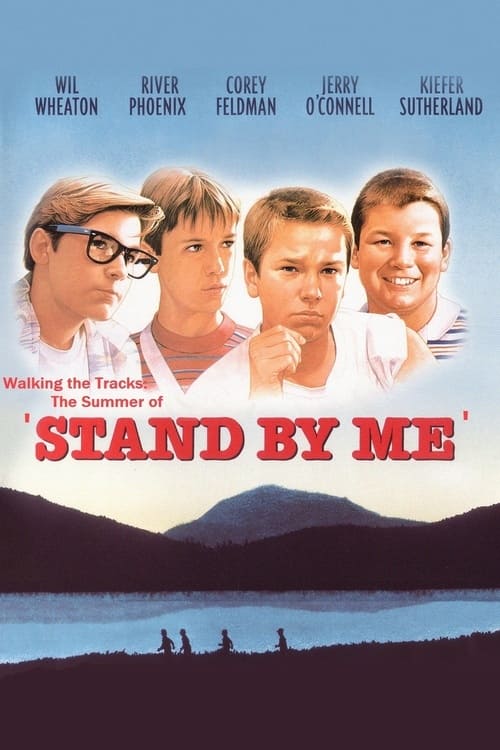
Walking the Tracks: The Summer of Stand by Me
Documentary
Overview
A unique look at the making of Stand by Me including interviews from Stephen King, Rob Reiner, Kiefer Sutherland, Richard Dreyfuss, Wil Wheaton, Corey Feldman, and Jerry O'Connell.


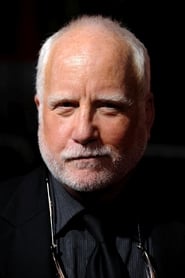
Richard Dreyfuss
Richard Dreyfuss
Self
Richard Dreyfuss
Self
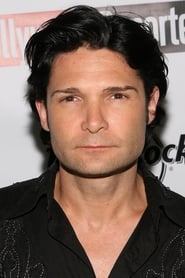
Corey Feldman
Corey Feldman
Self
Corey Feldman
Self

Stephen King
Stephen King
Self
Stephen King
Self
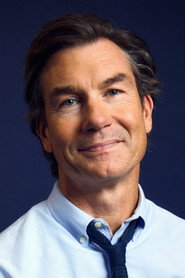
Jerry O'Connell
Jerry O'Connell
Self
Jerry O'Connell
Self

Rob Reiner
Rob Reiner
Self
Rob Reiner
Self

Kiefer Sutherland
Kiefer Sutherland
Self
Kiefer Sutherland
Self

Wil Wheaton
Wil Wheaton
Self
Wil Wheaton
Self
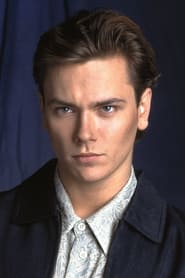
River Phoenix
River Phoenix
Self (archive footage)
River Phoenix
Self (archive footage)
Similar Movies
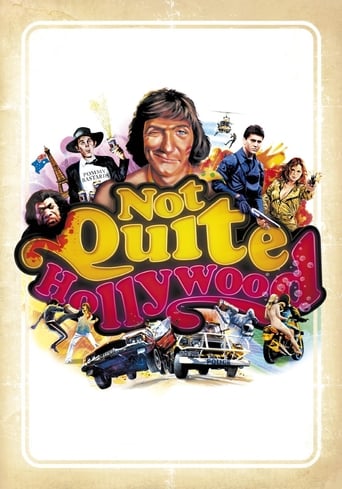
As Australian cinema broke through to international audiences in the 1970s through respected art house films like Peter Weir's "Picnic At Hanging Rock," a new underground of low-budget exploitation filmmakers were turning out considerably less highbrow fare. Documentary filmmaker Mark Hartley explores this unbridled era of sex and violence, complete with clips from some of the scene's most outrageous flicks and interviews with the renegade filmmakers themselves.
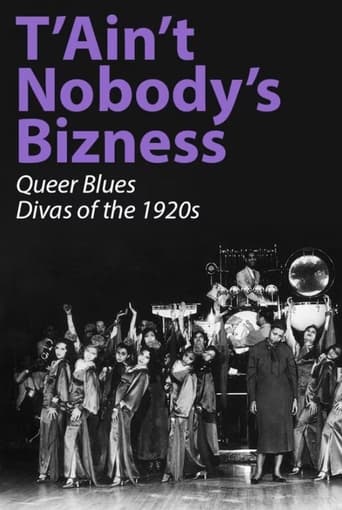
The 1920s saw a revolution in technology, the advent of the recording industry, that created the first class of African-American women to sing their way to fame and fortune. Blues divas such as Bessie Smith, Ma Rainey, and Alberta Hunter created and promoted a working-class vision of blues life that provided an alternative to the Victorian gentility of middle-class manners. In their lives and music, blues women presented themselves as strong, independent women who lived hard lives and were unapologetic about their unconventional choices in clothes, recreational activities, and bed partners. Blues singers disseminated a Black feminism that celebrated emotional resilience and sexual pleasure, no matter the source.
A bold reveal of a rose tattoo opens this 1980 documentary on tattooing in New Zealand. The potted history includes visits to tattoo parlours on K' Road and Hastings, and the studios of industry legends Steve Johnson and Roger Ingerton. Tattooists discuss public stigma, people's reasons for getting inked, and popular designs: sailors, serpents, swallows and tā moko. Made for documentary slot Contact, Skin Pics chronicles a time when "folk art has become high art".
Tattooing — "the world's oldest skin game" — is the subject of this iconic documentary. Writer/director Geoff Steven scored a major coup by signing Easy Rider legend Peter Fonda as his presenter. Travelling to Aotearoa, Samoa, Japan and the United States, the doco traces key developments in tattooing, including its importance in the Pacific, prison-inspired styles, and the influence of 1960s counterculture. Legendary tattooists feature (including Americans Ed Hardy and Jack Rudy), while the closing credits parade some eye-opening full body tattoos.

The raft man Manuel Jacaré was swallowed by the sea when Orson Welles was filming It's All True in 1942. The fact evokes memories of the dictatorship of the Estado Novo, of World War II, of Ceará fishermen's struggle for labor rights and housing in their traditional space - target of real estate speculation.
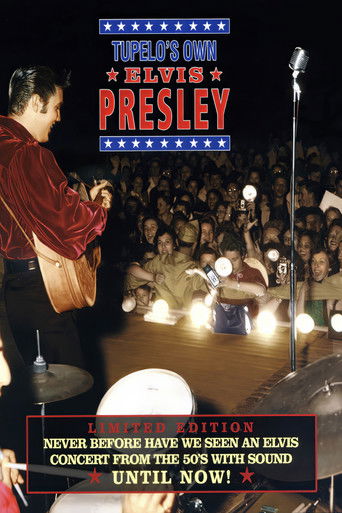
This film features unreleased concert footage of Elvis Presley's afternoon performance at the 'Mississippi-Alabama Fair and Dairy Show' held at the Fairgrounds in Tupelo, Mississippi on September 26, 1956. The professionally filmed black and white newsreel footage was synchronized with an amateur audio recording of the concert that had previously appeared on the 'Elvis Presley: A Golden Celebration' LP/CD box set.