

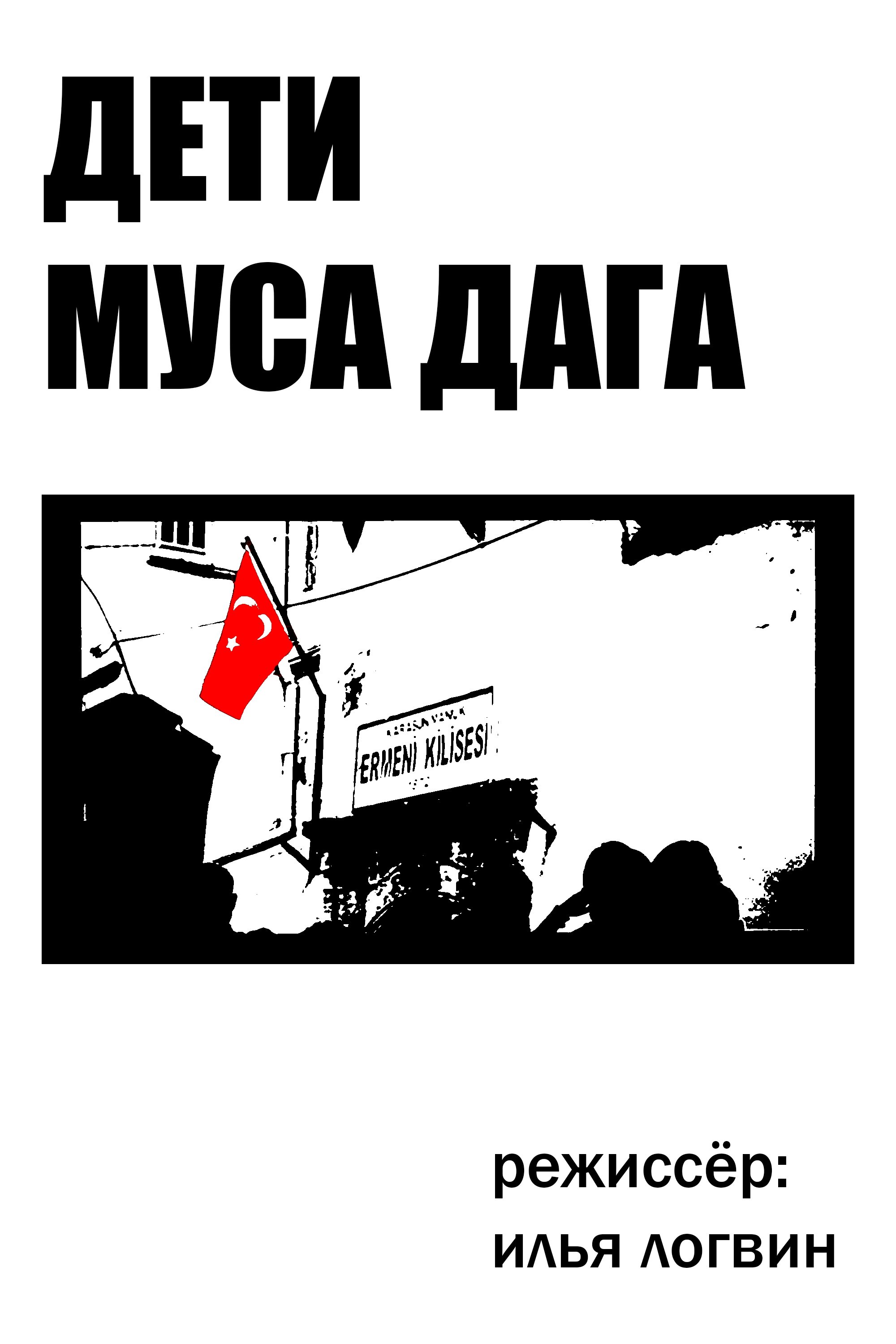
Дети Муса Дага
Documentary



No cast information.
Similar Movies
Armenian Lullaby is based on the verse of my great-great-grandfather, Rafael Patkanian (1830-1892) about a mother who is singing a lullaby to her child, calling on different birds who are associated with various professions. The baby falls asleep only to the song of Falcon, who is singing battle songs, in other words, chooses the profession of a soldier. Traditionally it's considered a patriotic song: in the country that survived genocide, Soviet regime and recent war with Azerbaijan, sons' primary vocation is to become soldiers. This interpretation is dedicated to Mothers of all soldiers.

A feature documentary presented and directed by former Royal Marines Commando Emile Ghessen. The documentary tells the story of the 2020 war between Armenia and Azerbaijan over the disputed region of Nagorno Karabakh. In the fall of 2020, Armenia and Azerbaijan fought a brutal bloody war. Azerbaijan won, decisively. The feature documentary 45 Days: The Fight for a Nation tells the story of this conflict, from the Armenian perspective, focusing on the human cost of war and its impact on the large Armenian diaspora.
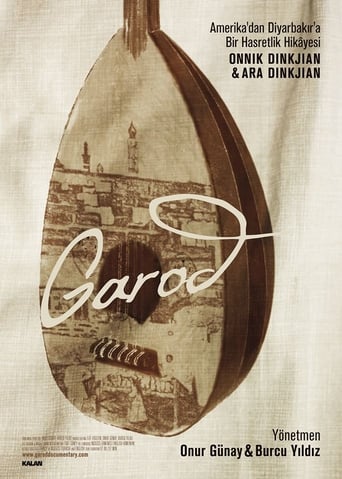
Garod means longing in Armenian. Longing for a land that lost its people. Longing for the homeland. Longing for a time that is eternally lost. “Garod” is a story of longing. It is about the lives and the musical stories of two Armenian musicians - a father and his son, Onnik Dinkjian and Ara Dinkjian. It tells the story of the remaking of a musical tradition and life in diaspora, passes through different geographies and countries following the traces of a musical tradition. In this documentary, Garod means not only longing for loss but also remaking of a musical tradition and the life itself.
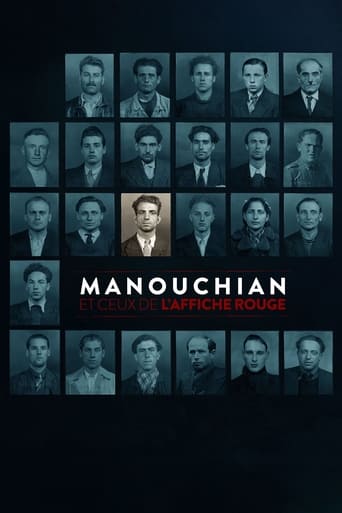
In February 1944, in a courtyard at Fresnes Prison, the Germans staged a spectacle to stigmatize a group of communist resistance fighters—all foreigners and mostly Jewish—who had been arrested a few weeks earlier. The propaganda aimed to discredit these fighters, portraying them as terrorists and criminals, even though they had managed to carry out numerous attacks against the occupiers in Paris. The red poster, plastered in thousands of copies across the country, would immortalize them in legend. They were subsequently executed at Mont-Valérien, near Paris. Missak Manouchian, the Armenian who led these fighters, now embodies this group in the collective memory as he is enshrined in the Panthéon, on behalf of all his comrades, 80 years after their execution.
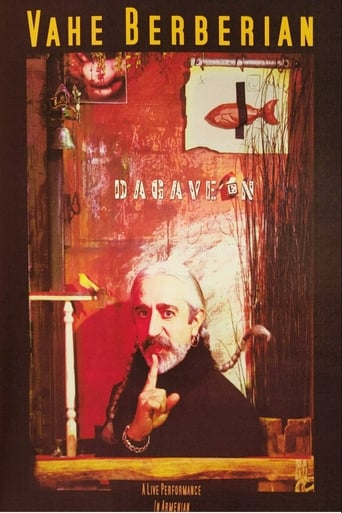
From the man who brought you "Yevaylen" and "Nayev" comes a hilarious peek into the Armenian condition and the necessity of laughter in life. Vahe’s third hysterically funny and engaging monologue tackles diverse topics such as family, marriage, surveys, concentrating on the Armenian American identity and finally the importance of laughter. Along with personal stories and meditations on the Armenian condition, Vahe tries to find an answer to the question “Are the Armenians truly happy, or – as an Irish newspaper claims – are we the saddest nation on the planet?” Vahe performed Dagaveen for over four months at Rococo in Pasadena, California, and has taken the show on the road to various cities in the U.S., Canada and Europe to packed audiences.

The life of the revered 18th-century Armenian poet and musician Sayat-Nova. Portraying events in the life of the artist from childhood up to his death, the movie addresses in particular his relationships with women, including his muse. The production tells Sayat-Nova's dramatic story by using both his poems and largely still camerawork, creating a work hailed as revolutionary by Mikhail Vartanov.