

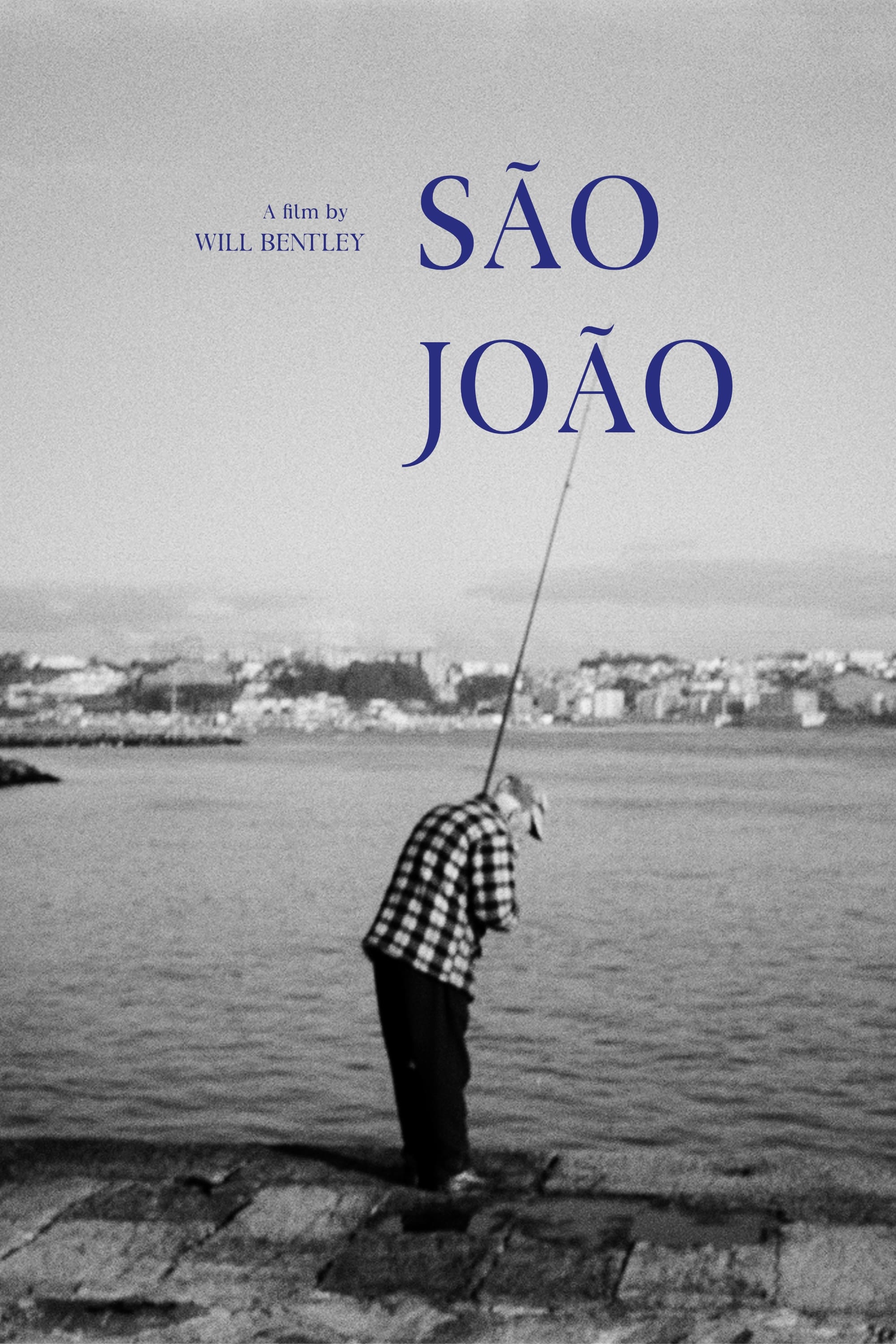
São João
Documentary
Overview
A fisherman looks forward to celebrating his 88th birthday on the Festa de São João. Shot on Super 8 in Foz do Douro, the film is a miniature portrait about the gentle wisdom of living.




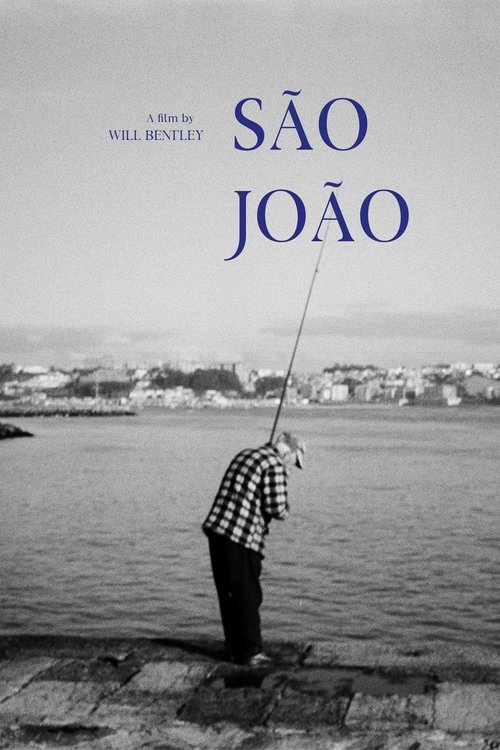
No cast information.
Similar Movies
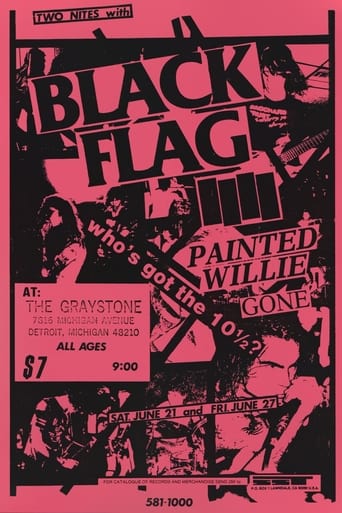
Three bands and crew (a combined total of 13 individuals), 2 Dodge Ram extended cab vans, one equipment truck, one PA system traverse the continental US for six months. A road documentary shot from the inside of the last Black Flag tour ever (the 1986 “In My Head” US tour.) Featuring behind the scenes proceedings and live performances from Black Flag, Painted Willie, and Gone. David Markey was along for the entire trip as the drummer / singer for Painted Willie, documenting the six month tour with his Super-8 camera as it happened. Also features roadie Joe (“Planet Joe”) Cole, soundmen Davo Claasen and Dave “Ratman” Levine, and the tour manager who kept it all together, Mitch Bury. A crucial turning point in American underground rock. The end of the line for a trail blazing American band. Shot in 1986 and completed by director David Markey in 1991 for We Got Power. (futuristika.org)
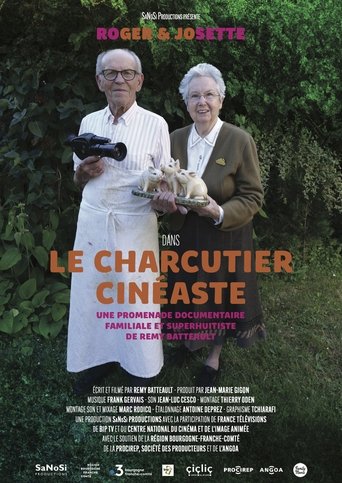
This is the story of Roger, a former pork butcher, who worked for 40 years in the beautiful town of Beaune in Burgundy. Since he retired, he has started a new life as a filmmaker: Roger films only on Super 8. Insects, birds, everything he can find in the countryside are his favorite subjects. His short films have won prizes all over the world, some of them have been shown during the Cannes Film Festival. Josette, his wife and number one fan, happens to work for him from time to time.
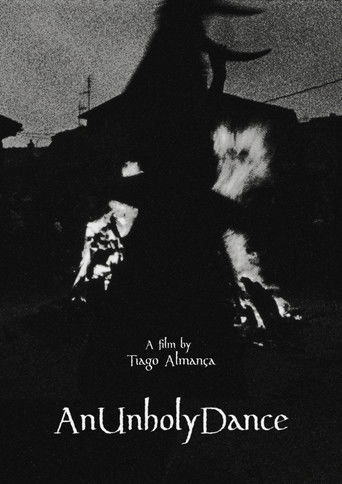
Every winter, a small town in Castilla-La Mancha called Luzón transforms into a little hell. Its inhabitants, dressed as devils, venture into the darkness and roam its streets with horns, bells, and smeared with soot. Una dança non sancta could have been just an anthropological documentary. Instead, it delves into the inferno with the town’s residents to participate in and immortalize this unholy ritual.
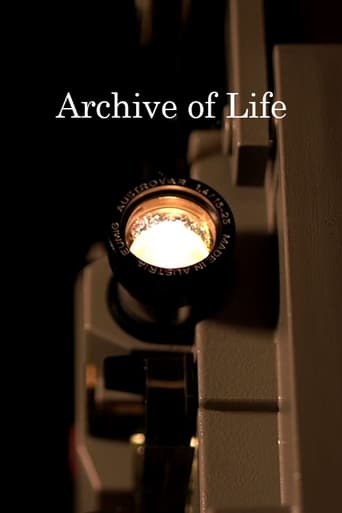
This documentary short-film follows the story of The White Bus Cinema based in Southend-on-Sea. They keep the process of projecting real celluloid film alive by showing films from their archive of over 3,000 films, ranging from Super 8, 16mm, and 35mm prints. The film argues why it's important to continue the shooting and projection process of film in our current age of digital shooting and projection in modern Hollywood, amidst the chaos of studios removing films from their streaming services.