

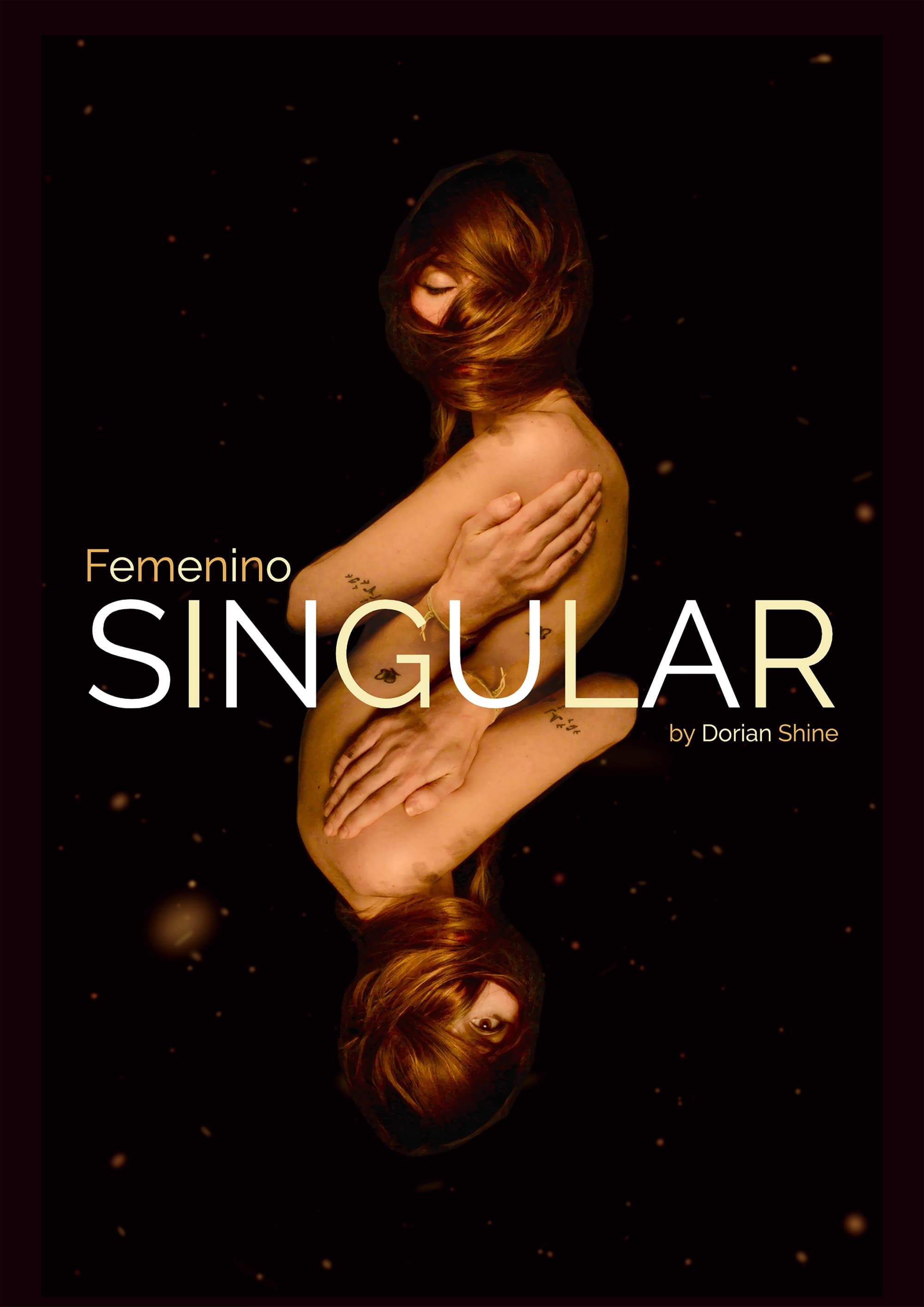
Feminine Singular
Documentary
Overview
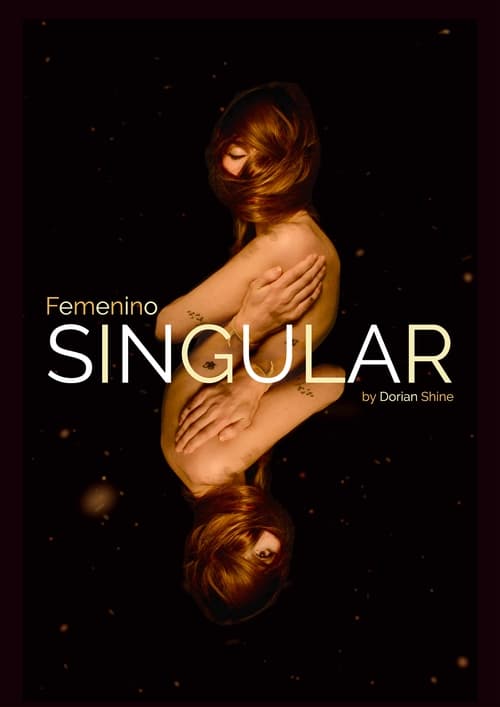
A documentary featuring 30 Argentinian women aged between 4 and 80, sharing their stories of resilience, strength, and unique perspectives on womanhood through performance art.
Top Cast





Flora Ferrari
Flora Ferrari
Self - Interviewee/Performer
Flora Ferrari
Self - Interviewee/Performer
Laura Denmar
Laura Denmar
Self - Performer
Laura Denmar
Self - Performer
Alejandra Ceriani
Alejandra Ceriani
Self - Interviewee/Performer
Alejandra Ceriani
Self - Interviewee/Performer
Romina Alvez
Romina Alvez
Self - Interviewee/Performer/Narrator
Romina Alvez
Self - Interviewee/Performer/Narrator
Menuela Mendez
Menuela Mendez
Self - Interviewee/Performer
Menuela Mendez
Self - Interviewee/Performer
Fabiana Pouso
Fabiana Pouso
Self - Interviewee/Performer
Fabiana Pouso
Self - Interviewee/Performer
Similar Movies
The video revolution of the 1970s offered unprecedented access to the moving image for artists and performers. This Is Not a Dream explores the legacies of this revolution and its continued impact on contemporary art and performance. Charting a path across four decades of avant-garde experiment and radical escapism, This Is Not a Dream traces the influences of Andy Warhol, John Waters and Jack Smith to the perverted frontiers of YouTube and Chatroulette, taking in subverted talk shows and soap operas, streetwalker fashions and glittery magic penises along the way.
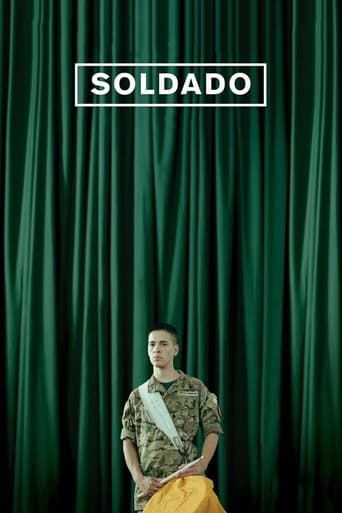
A young man decides to join the army. He becomes the drummer in the military band, and his everyday life is now a combination of military training and music. What does the Argentine Army do these days, more than thirty years after the dictatorship? What does it mean to be a soldier in a country without wars?
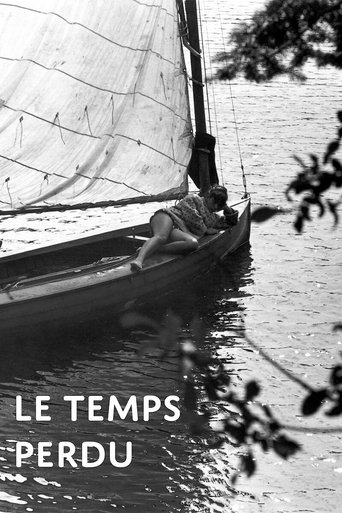
A 16 year old girl recalls the last moments of her summer vacation, spent with friends in the Laurentians north of Montreal. She reminisces about their talks on life, death, love, and God. Shot in direct cinema style, working from a script that left room for the teenagers to improvise and express their own thoughts, the film sought to capture the immediacy of the youths presence their bodies, their language, their environment.
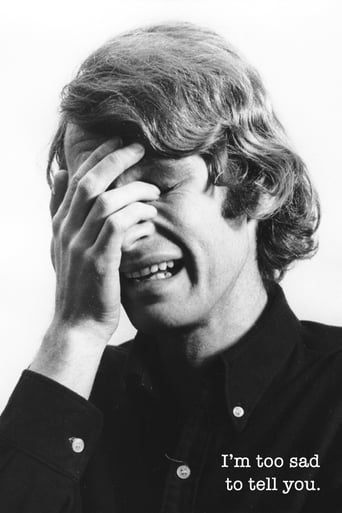
This short film is part of a mixed media artwork of the same name, which also included postcards of Ader crying, sent to friends of his, with the title of the work as a caption. The film was initially ten minutes long, and included Ader rubbing his eyes to produce the tears, but was cut down to three and a half minutes. This shorter version captures Ader at his most anguished. His face is framed closely. There is no introduction or conclusion, no reason given and no relief from the anguish that is presented.
Shot in his garage-studio, the camera records Ader painstakingly hoisting a large brick over his shoulder. His figure is harshly lit by two tangles of light bulbs. He drops the brick, crushing one strand of lights. He again lifts the brick, allowing tension to accrue. The climax inevitable—the brick falls and crushes the second set of lights. Here the film abruptly ends, all illumination extinguished.

In 2012 two members of anarchistic female band Pussy Riot were sentenced to two years in a Mordovian labor camp for "hooliganism motivated by religious hatred". Russian film collective Gogol’s Wives follow each step of the feminist punk band’s battle against Putin including their first disruptive performances on a trolley bus, shooting a video about transparent elections, a controversial performance in a Red Square cathedral, and footage shot in a jail cell. Support comes from many corners including Madonna who painted the words "Pussy Riot" on her back and wore a balaclava during her Moscow show. The documentary portrays the grim state of present-day Russia, a country starkly divided between conservatism and anarchy. Pussy Riot believes that art has to be free and they're willing to take it to extremes. "Pussycat made a mess in the house," they say, and the house is Russia. The filmmakers do not seek to moralize, they simply edit events and leave viewers to draw their own conclusions.