

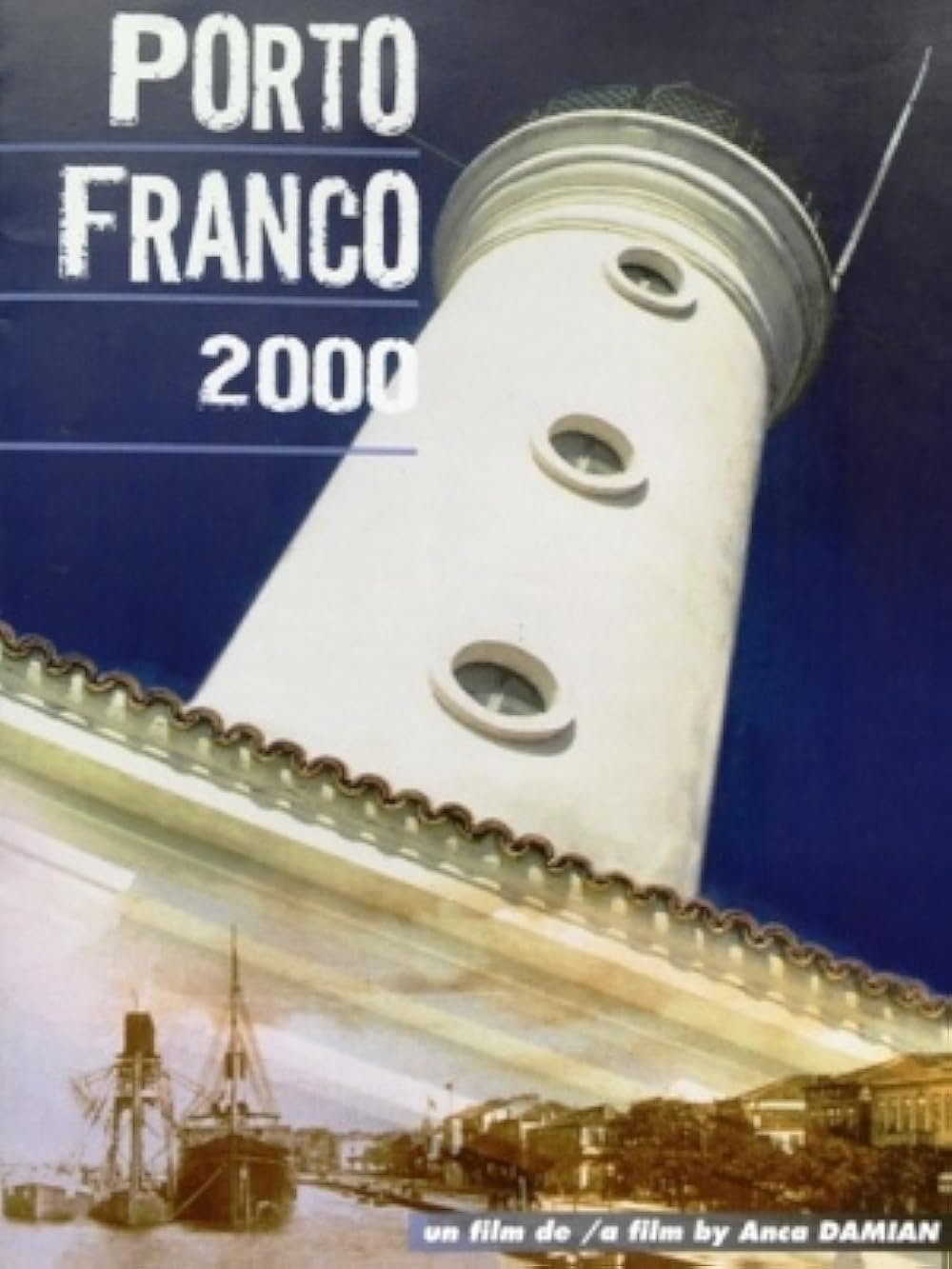
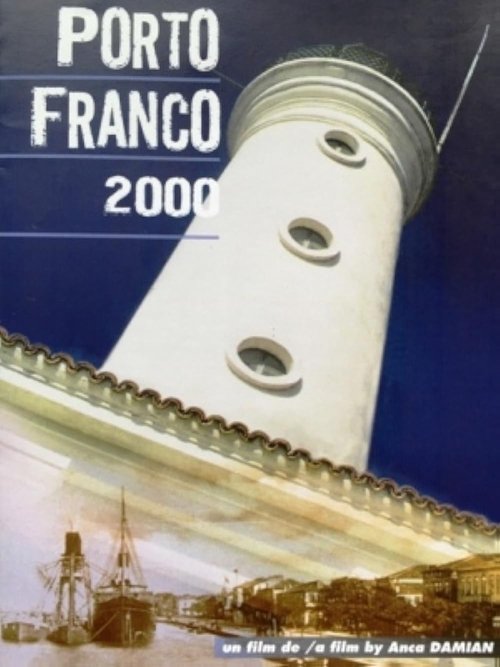
Porto Franco 2000
Documentary
Overview
A documentary about Sulina a dying small port city in the Danube Delta (Romania).








No cast information.
Similar Movies
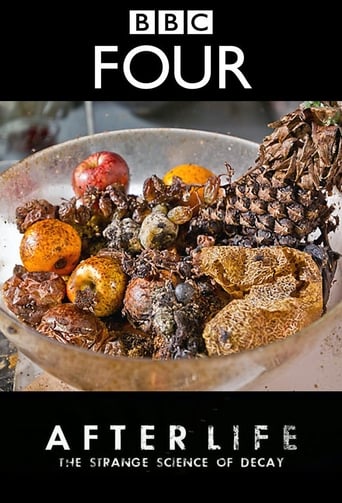
Ever wondered what would happen in your own home if you were taken away, and everything inside was left to rot? The answer is revealed in this fascinating programme, which explores the strange and surprising science of decay. For two months in summer 2011, a glass box containing a typical kitchen and garden was left to rot in full public view within Edinburgh Zoo. In this resulting documentary, presenter Dr George McGavin and his team use time-lapse cameras and specialist photography to capture the extraordinary way in which moulds, microbes and insects are able to break down our everyday things and allow new life to emerge from old. Decay is something that many of us are repulsed by. But as the programme shows, it's a process that's vital in nature. And seen in close up, it has an unexpected and sometimes mesmerising beauty.
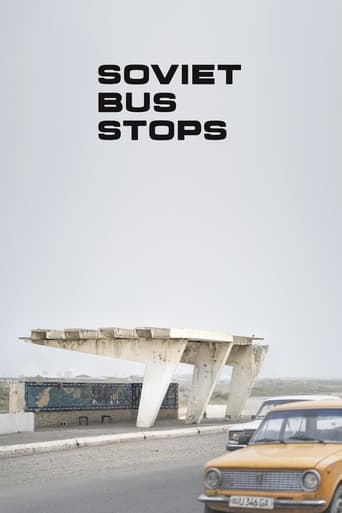
“There’s a bus stop I want to photograph.” This may sound like a parody of an esoteric festival film, but Canadian Christopher Herwig’s photography project is entirely in earnest, and likely you will be won over by his passion for this unusual subject within the first five minutes. Soviet architecture of the 1960s and 70s was by and large utilitarian, regimented, and mass-produced. Yet the bus stops Herwig discovers on his journeys criss-crossing the vast former Soviet Bloc are something else entirely: whimsical, eccentric, flamboyantly artistic, audacious, colourful. They speak of individualism and locality, concepts anathema to the Communist doctrine. Herwig wants to know how this came to pass and tracks down some of the original unsung designers, but above all he wants to capture these exceptional roadside way stations on film before they disappear.
As societies grapple with the escalating concern of environmental pollution, the imperative for collective consciousness and concerted action becomes ever more pronounced. The impact of human activities on the environment demands heightened awareness and proactive measures. In this context, the utilization of First Person View (FPV) drone technology emerges as a compelling and immersive tool for capturing the essence of our surroundings. The allure of FPV drone footage lies in its ability to provide a unique and genuine perspective of various landscapes, ranging from pristine beaches to meandering valleys and flowing river currents. This immersive visual medium not only serves as a means of documentation but also as a potent catalyst for instigating dialogue and inspiring environmental stewardship.