

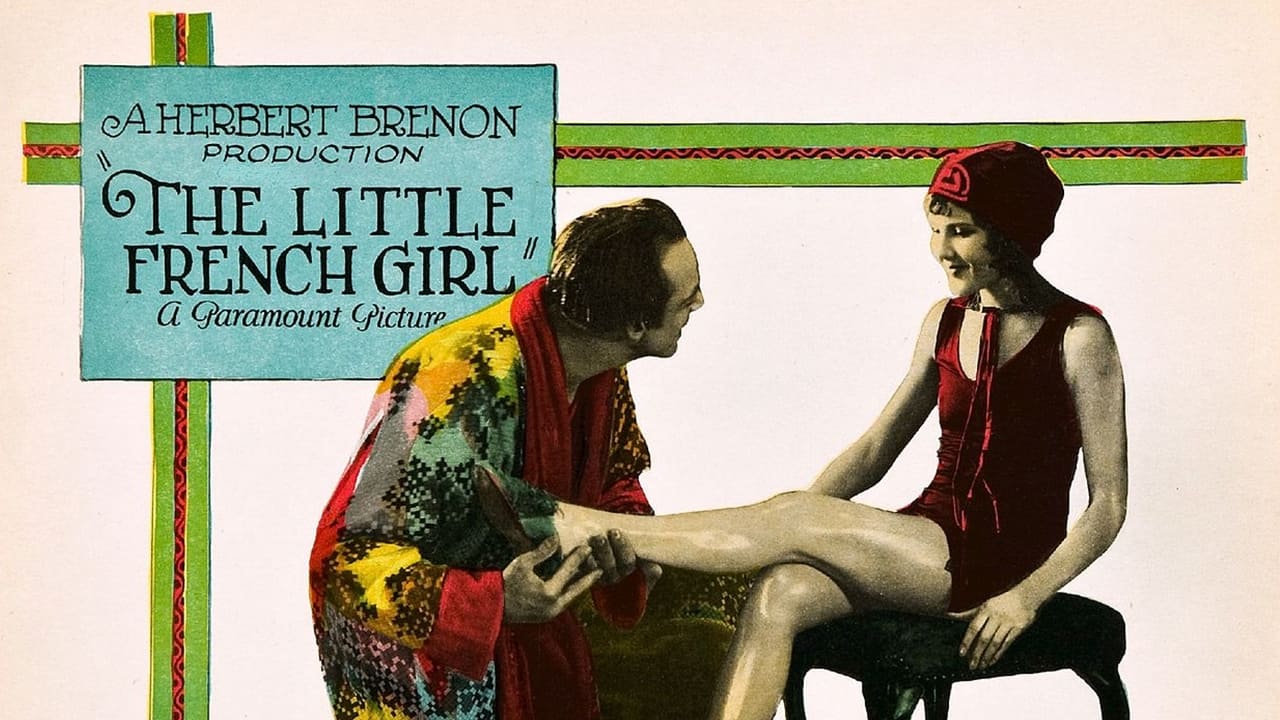
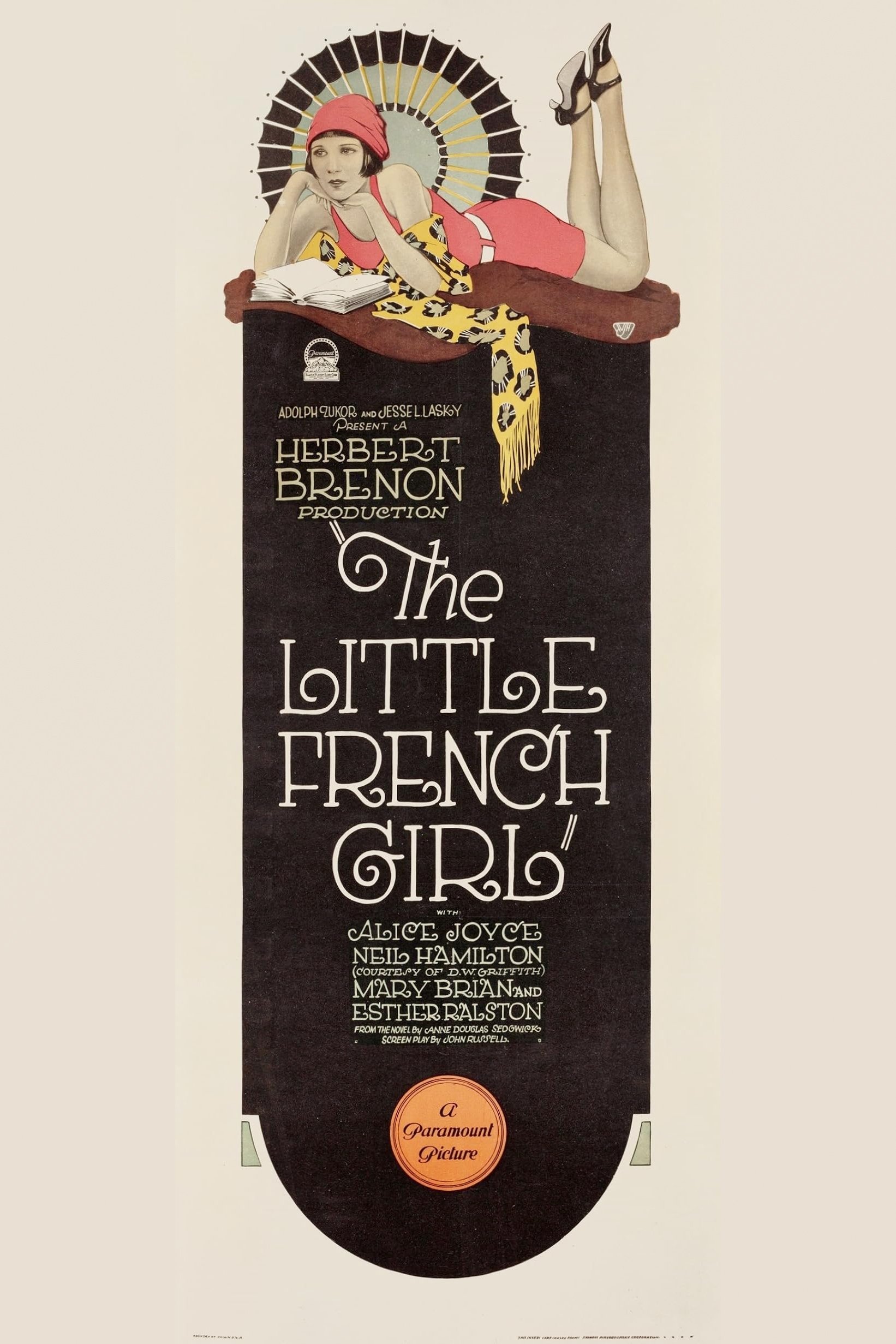
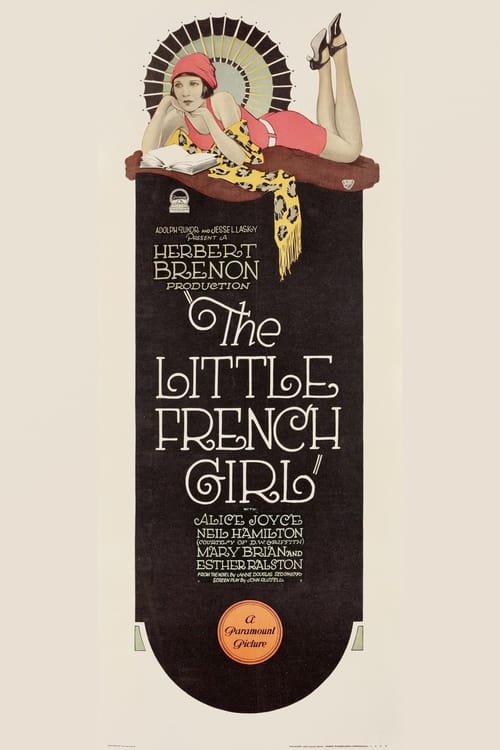
The Little French Girl
Drama · Romance
Overview
Madame Vervier, a sophisticated woman, sends her daughter Alix to live with Owen Bradley's parents in London.
Top Cast
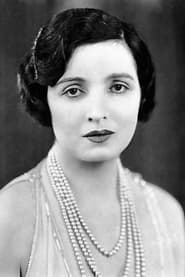
Alice Joyce
Madame Vervier

Mary Brian
Alix Vervier
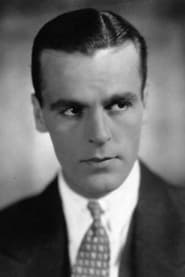
Neil Hamilton
Giles Bradley

Esther Ralston
Toppie Westmacott
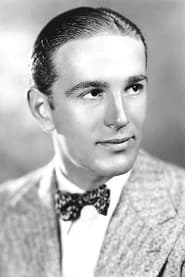
Anthony Jowitt
Owen Bradley
Jane Jennings
Mother Bradley
Mildred Ryan
Ruth Bradley
Eleanor Shelton
Rosemary Bradley

Maurice de Canonge
Jerry Hamble

Maude Turner Gordon
Lady Mary Hamble
Paul Doucet
Andre Valenbois
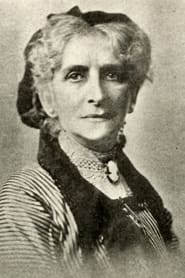
Julia Hurley
Mme. Dumont



Alice Joyce
Alice Joyce
Madame Vervier
Alice Joyce
Madame Vervier
Mary Brian
Mary Brian
Alix Vervier
Mary Brian
Alix Vervier
Neil Hamilton
Neil Hamilton
Giles Bradley
Neil Hamilton
Giles Bradley
Esther Ralston
Esther Ralston
Toppie Westmacott
Esther Ralston
Toppie Westmacott
Anthony Jowitt
Anthony Jowitt
Owen Bradley
Anthony Jowitt
Owen Bradley
Jane Jennings
Jane Jennings
Mother Bradley
Jane Jennings
Mother Bradley
Mildred Ryan
Mildred Ryan
Ruth Bradley
Mildred Ryan
Ruth Bradley
Eleanor Shelton
Eleanor Shelton
Rosemary Bradley
Eleanor Shelton
Rosemary Bradley
Maurice de Canonge
Maurice de Canonge
Jerry Hamble
Maurice de Canonge
Jerry Hamble
Maude Turner Gordon
Maude Turner Gordon
Lady Mary Hamble
Maude Turner Gordon
Lady Mary Hamble
Similar Movies
Nathan Forge, romantic son of a cruel businessman, publishes in a local newspaper a poem about a girl who once befriended him. The girl, a student in a nearby school, reads the poem and recognizes herself. Years pass, and Nathan goes through various hardships, including an unhappy marriage, imprisonment, and the war. Then in Siberia, working for the International Red Cross, he meets the girl who is the subject of his poem and thus achieves happiness. A lost film.
A feud in the Adirondack Mountains develops when Randolph Shaw will not give up a shack and its acreage adjoining the estate of Lord Cecil Bazelhurst, whose wife, the former Evelyn Banks of Jersey City, married him for his title and now wants to get rid of Randolph's ugly shack. When Randolph meets Cecil's sister Penelope, a romance begins which is furthered after one of the Bazelhurst servants shoots Randolph in the arm for trespassing and Penelope, who earlier had looked upon the feud as a joke, runs away to Randolph's house and accepts his engagement proposal. Cecil and his men pursue Penelope, but are frightened away by Randolph's men and are forced to spend a miserable stormy night in the woods. The next day everyone becomes reconciled when Lady Evelyn realizes that the desired property will now be in the family, and Randolph offers Cecil and his men dry, if ill-fitting, garments to wear.

Drusilla Ives, a young Quaker girl living on an isolated island, leaves to become the servant of the spendthrift Duke of Guisenberry in London, who is the Lord of her village. She finds that she is attracted to the bustling city's night life, and when the duke discovers that she is a fine dancer, he helps her turn professional. In short order she becomes known as Diana Valrose, the city's favorite dancer. Unfortunately, her strict father and her Quaker fiancee, John Christison, back on the island find out about her newfound fame and career and strongly disapprove--her father places a curse on her and her boyfriend marries her sister Faith. Complications ensue.

When her traveling theatrical group goes broke, Poppy, an actress in the troupe, finds herself stranded in Singapore. She's reduced to working in a bar in the seedy part of town as a "hostess", where she meets a down-on-his-luck Englishman. While drunk he gets into a fight, and is forced to kill his opponent in self-defense. The girl helps him escape and goes to Sam, a shady plantation owner, to try to get them out of Singapore. However, Sam has his own plans for Poppy, and they don't include potential rivals for her affections.
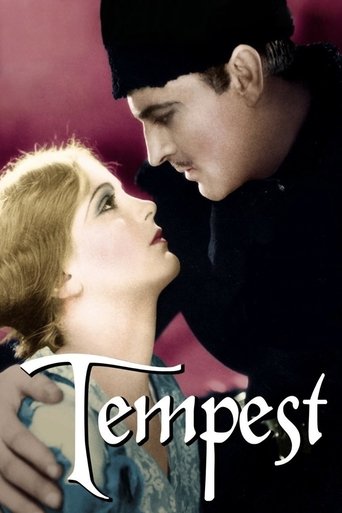
In the final days of Czarist Russia, a peasant is raised from the ranks to Lieutenant. The other officers, aristocrats all, resent him, and make his life difficult. He falls in love with a princess, who spurns him. When he is caught in her room, he is stripped of his rank and thrown into prison. Then comes the Red Terror, and the tables are turned.
Molly Bawn. British silent drama movie. Directed by Cecil M Hepworth. Starring Alma Taylor, Stewart Rome an Violet Hopson. adaptation of the1878 Irish novel of the same name by Margaret Wolfe Hungerford. Molly Bawn the novel by M. W. Hungerford contains her most famous idiom: "Beauty is in the eye of the beholder." It is also referenced in chapter 8 of James Joyce's Ulysses.