

The Central Park Five
Documentary
Overview
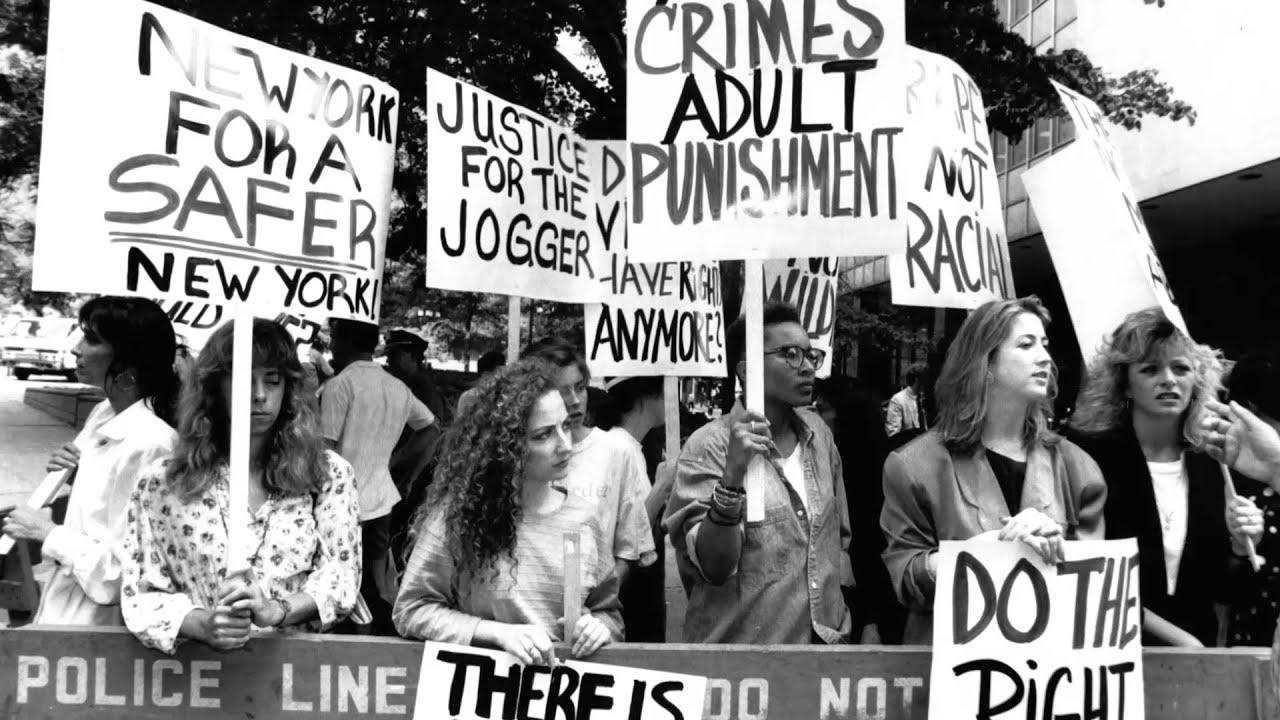
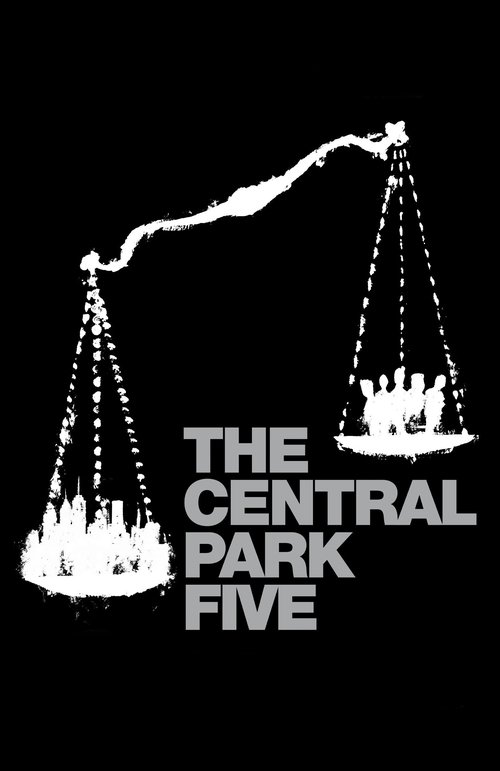
In 1989, five black and Latino teenagers from Harlem were arrested and later convicted of raping a white woman in New York City's Central Park. They spent between 6 and 13 years in prison before a serial rapist confessed that he alone had committed the crime, leading to their convictions being overturned. Set against a backdrop of a decaying city beset by violence and racial tension, this is the story of that horrific crime, the rush to judgment by the police, a media clamoring for sensational stories and an outraged public, and the five lives upended by this miscarriage of justice.
Top Cast
Antron McCray
Self (voice)
Kevin Richardson
Self
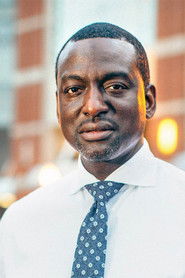
Yusef Salaam
Self
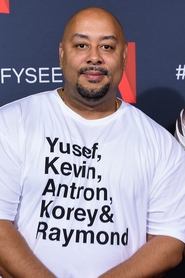
Raymond Santana
Self
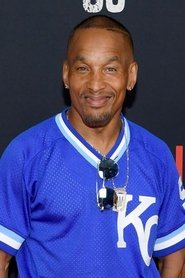
Kharey Wise
Self
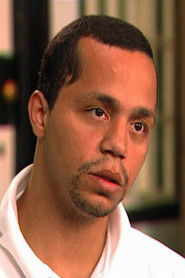
Matias Reyes
Self (archive footage)
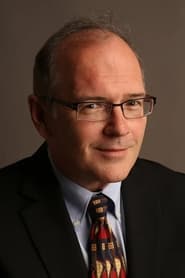
Jim Dwyer
Self - New York Times
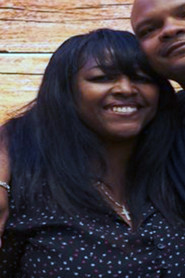
Angela Black
Self - Kevin's Sister
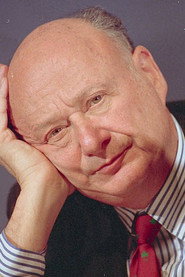
Ed Koch
Self
Craig Steven Wilder
Self - Historian
LynNell Hancock
Self - Journalist
Calvin O. Butts III
Self - Reverend



Antron McCray
Antron McCray
Self (voice)
Antron McCray
Self (voice)
Kevin Richardson
Kevin Richardson
Self
Kevin Richardson
Self
Yusef Salaam
Yusef Salaam
Self
Yusef Salaam
Self
Raymond Santana
Raymond Santana
Self
Raymond Santana
Self
Kharey Wise
Kharey Wise
Self
Kharey Wise
Self
Matias Reyes
Matias Reyes
Self (archive footage)
Matias Reyes
Self (archive footage)
Jim Dwyer
Jim Dwyer
Self - New York Times
Jim Dwyer
Self - New York Times
Angela Black
Angela Black
Self - Kevin's Sister
Angela Black
Self - Kevin's Sister
Ed Koch
Ed Koch
Self
Ed Koch
Self
Craig Steven Wilder
Craig Steven Wilder
Self - Historian
Craig Steven Wilder
Self - Historian
Similar Movies
One decade after THE FARM: ANGOLA, USA (Oscar nominated 1999; two-time Emmy winner 1999), we go back inside Louisiana's maximum security penitentiary, to catch up with our characters' lives. While the theme of THE FARM was "to err is human, to forgive divine", we now delve more deeply and find hope for "reconciliation and release". Angola is America's oldest and largest prison, with 5,000 inmates, most of whom have received life -, or death-, sentences for violent crimes, and will never leave Angola. THE FARM continues to provide extraordinary opportunities for learning through storytelling.
Imagine the prison of Alcatraz, only 10 times worse, built on tropical, hellish and deadly islands, lost to the rest of the world. Three tiny castaway islands rise away from the coast of French Guyana, in South America: The Devil's Islands. Now buried under an impenetrable jungle, lay the lost remains of what had been for a hundred years the most storied convict prison in history. There, while most of the prisoners faded into oblivion, a few became legends. Some because they were innocent, as in the scandalous Dreyfus Affair, some because they somehow escaped the islands of nightmare, as did the "butterfly", Henry Charrière, immortalized by Steve McQueen in Papillon. Now 50 years after the prison doors slammed shut for the last time, we explore what's left of the Devil's Islands' unbelievably dark and oppressive realm.
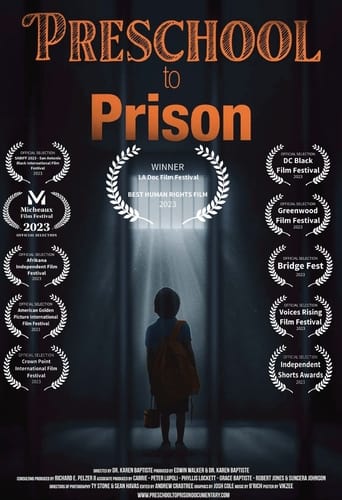
Preschool to Prison is a compelling examination of how the United States public school system is built and operated like prisons. Zero-tolerance policies are used to justify suspension and arrests that set up a pathway to send children of color and children with special needs from school to prison. Children are being suspended, restrained, dragged, physically manhandled, and subsequently arrested for minor offenses such as throwing candy on a school bus. These personal accounts from people affected by the school-to-prison pipeline give riveting tales about the generational impact on society.
For the third time, HBO cameras go inside Trenton State Maximum Security Prison--and inside the mind of one of the most prolific killers in U.S. history--in this gripping documentary. Mafia hit man Richard Kuklinski freely admits to killing more than 100 people, but in this special, he speaks with top psychiatrist Dr. Park Dietz in an effort to face the truth about his condition. Filled with more never-before-revealed confessions, it's the most chillingly candid Iceman special yet as it combines often-confrontational interview footage between Kuklinski and Dietz with photos, crime reenactments and home movies that add new layers to this evolving and fascinating story.
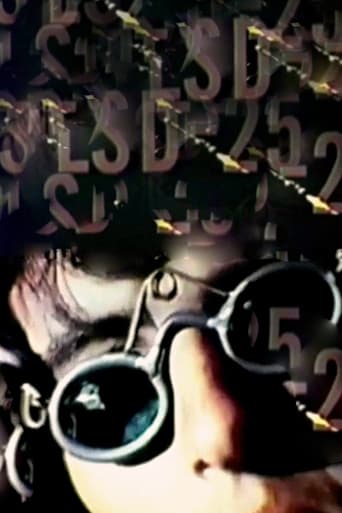
The dangers of LSD are driven home to teenagers in this classroom training film, which is "narrated" by an LSD tab. The "tab" tells kids that he is "a depth charge in the mind!" and various teenagers are shwn babbling about their LSD experiences. "Experts" are presented who warn that LSD makes kids "paint themselves green" and has various other horrible side effects, the most serious of which is that it gives users a police record, and that there is "no known way of getting your fingerprints out of a police file once they're in there."
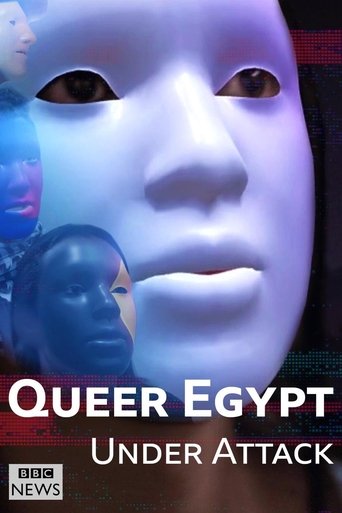
A BBC News investigation has revealed how violent criminal gangs are finding, abusing and extorting people from the LGBT community they meet online in Egypt. Using masking technology to hide the identities of the people he meets, Ahmed Shihab-Eldin navigates the complex online and real-life world of people who identify as queer and who have been repeatedly targeted by a gang with violent viral video humiliations and police arrests.
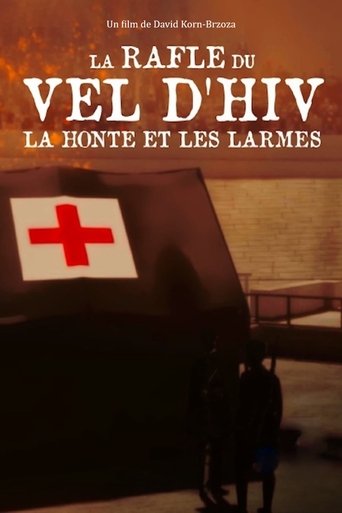
In 1942, more than 8,000 Jews were arrested on 16 and 17 July and sent to the Vélodrome d'Hiver sports center in the 15th district, a stone's throw from the Eiffel Tower, before being deported. The expression "Vel d'Hiv round-up" has become part of our collective memory, to the point of becoming the main memorial reference point for France during the dark years. Based on research carried out in unpublished or rarely explored archives, this film retraces the history of this roundup as experienced by hunted Jews and police trackers, from its planning in the Vichy offices to its hour-by-hour unfolding in the streets of Paris.
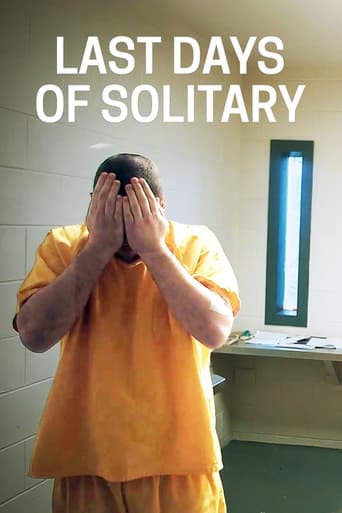
In 2011, Maine State Prison launched a pioneering reform program to scale back its use of solitary confinement. Bafta and Emmy-winning film-maker Dan Edge and his co-director Lauren Mucciolo were given unprecedented access to the solitary unit - and filmed there for more than three years. The result is an extraordinary and harrowing portrait of life in solitary - and a unique document of a radical and risky experiment to reform a prison. The US is the world leader in solitary confinement. More than 80,000 American prisoners live in isolation, some have been there for years, even decades. Solitary is proven to cause mental illness, it is expensive, and it is condemned by many as torture. And yet for decades, it has been one of the central planks of the American criminal justice system.