


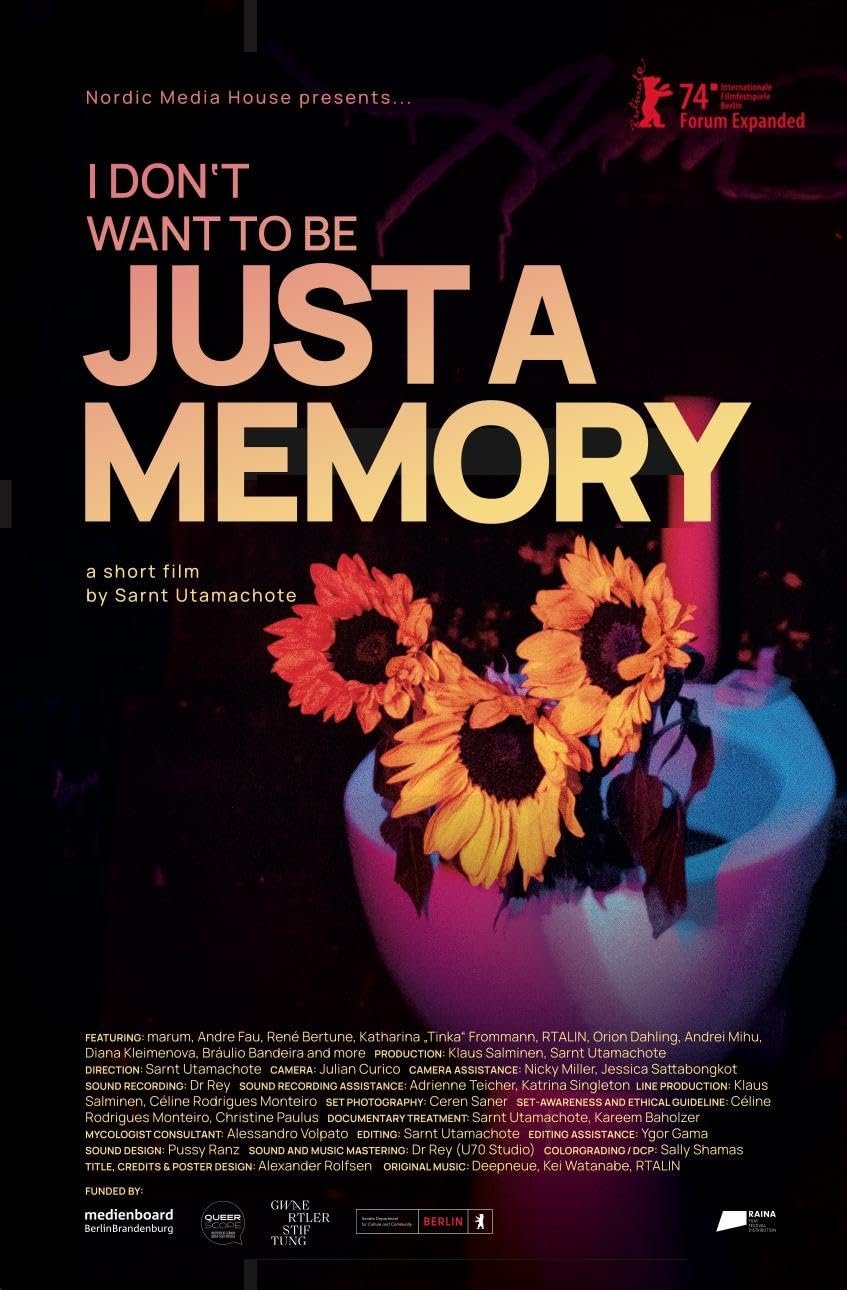
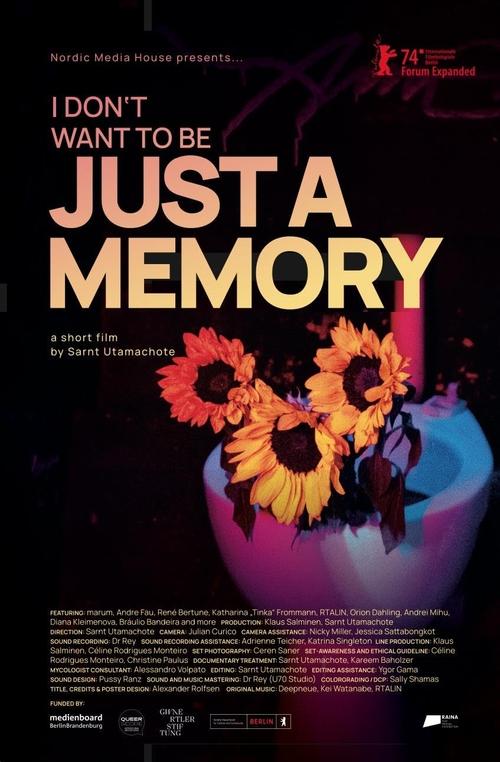
I Don’t Want to Be Just a Memory
Documentary
Overview
Berlin queer community members mourn the substance abuse-related loss of their friends by sharing memories and rituals. Resembling glow-in-the-dark fungi, they radiate light together as a network of support and care.









No cast information.
Similar Movies
A short film mostly comprised of two sources: research footage from 1988 about the beginnings of the HIV epidemic from the perspective of medical professionals, and an interview with Cleve Jones in 2003 as he looks back upon his activism, and the state of the HIV/AIDS epidemic in the early 2000s.
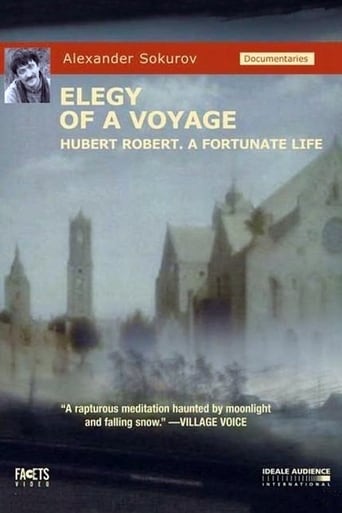
Aleksander Sokurov brings the treasures of the Hermitage back into the light by making films about artists and their paintings. He has chosen the painter Hubert Robert, who spent a long time in Italy, and whose preference was for creating ancient ruined landscapes and naturalistic portrayals of times past. He was successful with the wealthy, who bought his works from him. The camera pans across the paintings while Sokurov speaks of a happy era, when the artist was at one with the spirit of the times, and agreed with the taste of his clients. Just how far removed from us this is, is shown by pictures of a "Nô" performance which are inter-cut on the screen. No words are necessary to describe what everybody knows today.
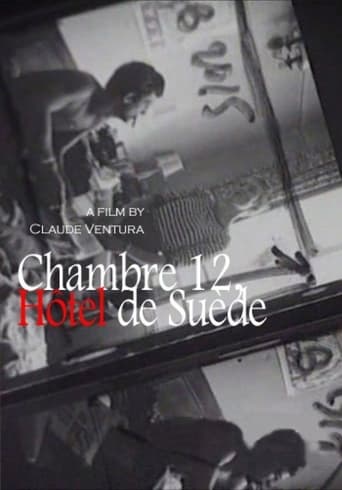
Claude Ventura's documentary Chambre 12, Hotel de Suede, was made for the French television channel Arte in 1993. Ventura checks into room twelve in the hotel's final week of operation: it is demolished the day after he checks out. Room twelve was one of the principal locations for Jean-Luc Godard's New Wave masterpiece Breathless, and Ventura's documentary investigates the production of Godard's film.

A battle between nature and culture, between organic rye-grass and artificial turf. American football is played on rectangular fields, 120 yards long and 160 feet wide. These dimensions defined the framework for this film. Made with images found in Google Earth. With music by Michel Banabila.
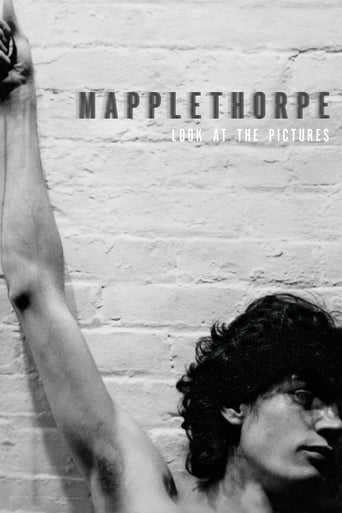
Nude men in rubber suits, close-ups of erections, objects shoved in the most intimate of places—these are photographs taken by Robert Mapplethorpe, known by many as the most controversial photographer of the twentieth century. Openly gay, Mapplethorpe took images of male sex, nudity, and fetish to extremes that resulted in his work still being labelled by some as pornography masquerading as art. But less talked about are the more serene, yet striking portraits of flowers, sculptures, and perfectly framed human forms that are equally pioneering and powerful.