



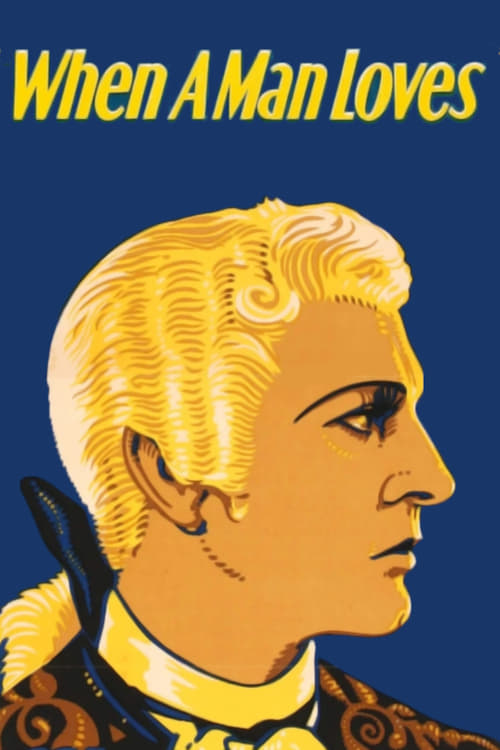
When a Man Loves
History · Romance
Overview
A nobleman studying for the priesthood abandons his vocation in 18th Century France when he falls in love with a beautiful, but reluctant, courtesan.
Top Cast
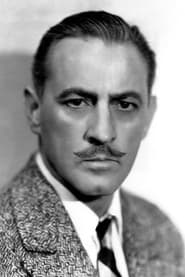
John Barrymore
Chevalier Fabien des Grieux

Dolores Costello
Manon Lescaut
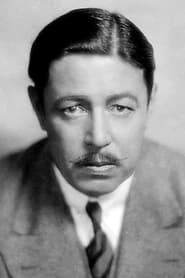
Warner Oland
André Lescaut
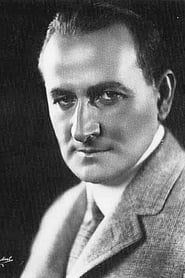
Sam De Grasse
Comte Guillot de Morfontaine
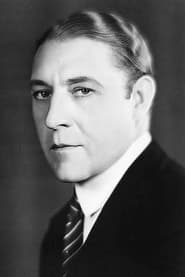
Holmes Herbert
Jean Tiberge
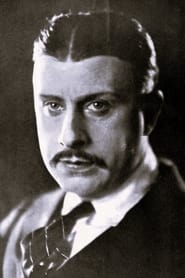
Stuart Holmes
Louis XV - King of France
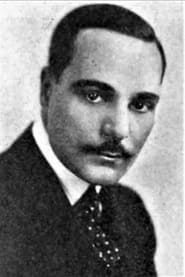
Bertram Grassby
Le Duc de Richelieu
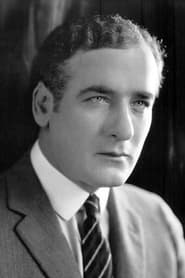
Tom Santschi
Captain of Convict Boat
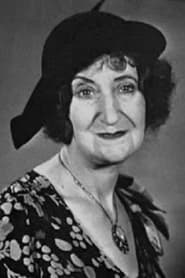
Alice Belcher
Minor Role (uncredited)
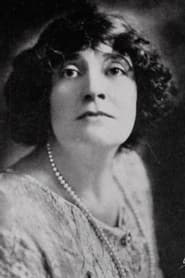
Eugenie Besserer
The Landlady (uncredited)

Charles Clary
A Lay Brother (uncredited)
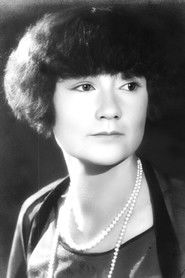
Marcelle Corday
Marie (uncredited)





John Barrymore
John Barrymore
Chevalier Fabien des Grieux
John Barrymore
Chevalier Fabien des Grieux
Dolores Costello
Dolores Costello
Manon Lescaut
Dolores Costello
Manon Lescaut
Warner Oland
Warner Oland
André Lescaut
Warner Oland
André Lescaut
Sam De Grasse
Sam De Grasse
Comte Guillot de Morfontaine
Sam De Grasse
Comte Guillot de Morfontaine
Holmes Herbert
Holmes Herbert
Jean Tiberge
Holmes Herbert
Jean Tiberge
Stuart Holmes
Stuart Holmes
Louis XV - King of France
Stuart Holmes
Louis XV - King of France
Bertram Grassby
Bertram Grassby
Le Duc de Richelieu
Bertram Grassby
Le Duc de Richelieu
Tom Santschi
Tom Santschi
Captain of Convict Boat
Tom Santschi
Captain of Convict Boat
Alice Belcher
Alice Belcher
Minor Role (uncredited)
Alice Belcher
Minor Role (uncredited)
Eugenie Besserer
Eugenie Besserer
The Landlady (uncredited)
Eugenie Besserer
The Landlady (uncredited)
Similar Movies
Danton and Robespierre were close friends and fought together in the French Revolution, but by 1793 Robespierre was France's ruler, determined to wipe out opposition with a series of mass executions that became known as the Reign of Terror. Danton, well known as a spokesman of the people, had been living in relative solitude in the French countryside, but he returned to Paris to challenge Robespierre's violent rule and call for the people to demand their rights. Robespierre, however, could not accept such a challenge, even from a friend and colleague, and he blocked out a plan for the capture and execution of Danton and his allies.
A history of the French Revolution beginning from the decision of the king to convene the Etats-Generaux in 1789 in order to deal with France's debt problem. Part one spans the event until August 10, 1792 (when the King Louis XVI lost all authority and was imprisoned). Part two carries the story through the end of the terror in 1794.
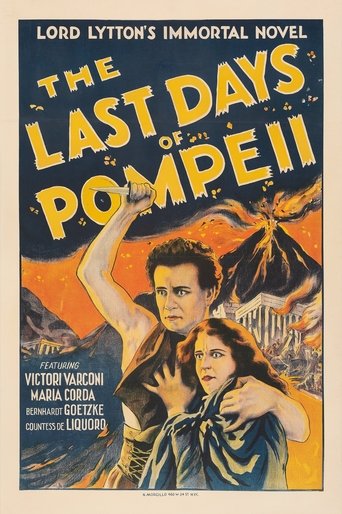
Carmine Gallone and Amleto Palermi’s The Last Days of Pompeii 1926 stages in sumptuous colour tinting the epic fall of the ancient city buried by Mount Vesuvius’ eruption. Adapted from Edward Bulwer-Lytton’s love story, the film was innovative in its special effects and an early major box-office hit. A beautiful tinted restoration print was prepared using photochemical processes by Centro Sperimentale di Cinematografia-Cineteca Nazionale in the mid-1990s and the premiere screening of the restoration print was held in the amphitheatre in Pompeii, followed by a screening at the major restoration festival ‘Il Cinema Ritrovato’ in Bologna in 1998.
In the early eighteenth century, foreign rule means dark times for the Hutsuls of the Carpathians. The two Dovbush brothers become opryshkos - mountain outlaws. But the two brothers become enemies - one cares only about money, the other - Oleksa - fights for his people. The Carpathians are convulsed with a wave of uprisings. The aristocracy uses its military might to try to kill Dovbush and destroy his legend. But Dovbush outwits them. The desperate lords devise a devious plan and attack the invincible outlaw's Achilles heel - his love for his childhood sweetheart, Marichka. Who will be the assassin to attack the Opryshko whose immense strength and bravery inspired folk tales? Will the lords' treacherous plan destroy the hero before he can lead his people to freedom?
Pompeii 79AD, mere days before the Vesuvian eruption. Glaucus and Jone are in love with each other. Arbaces, the Egyptian High Priest, is determined to conquer Jone. Glaucus purchases Nydia, the blind and long-suffering slave. Nydia falls in love with Glaucus and asks Arbaces for his help. He gives her a potion to make Glaucus fall in love with her-- In fact, a poison which will cause violent insanity.
Released in five parts (The Persecution of the Children of Israel by the Egyptians, Forty Years in the Land of Midian, The Plagues of Egypt and the Deliverance of the Hebrews, The Victory of Israel, The Promised Land), 4 December 1909 to 19 February 1910. A Vitagraph advertisement in the Moving Picture World (31 Dec. 1909) refers to The Life of Moses as a "Biblical Film-de-Luxe". It is preserved in the Library of Congress collection.