

Theodora
Music · Drama
Overview
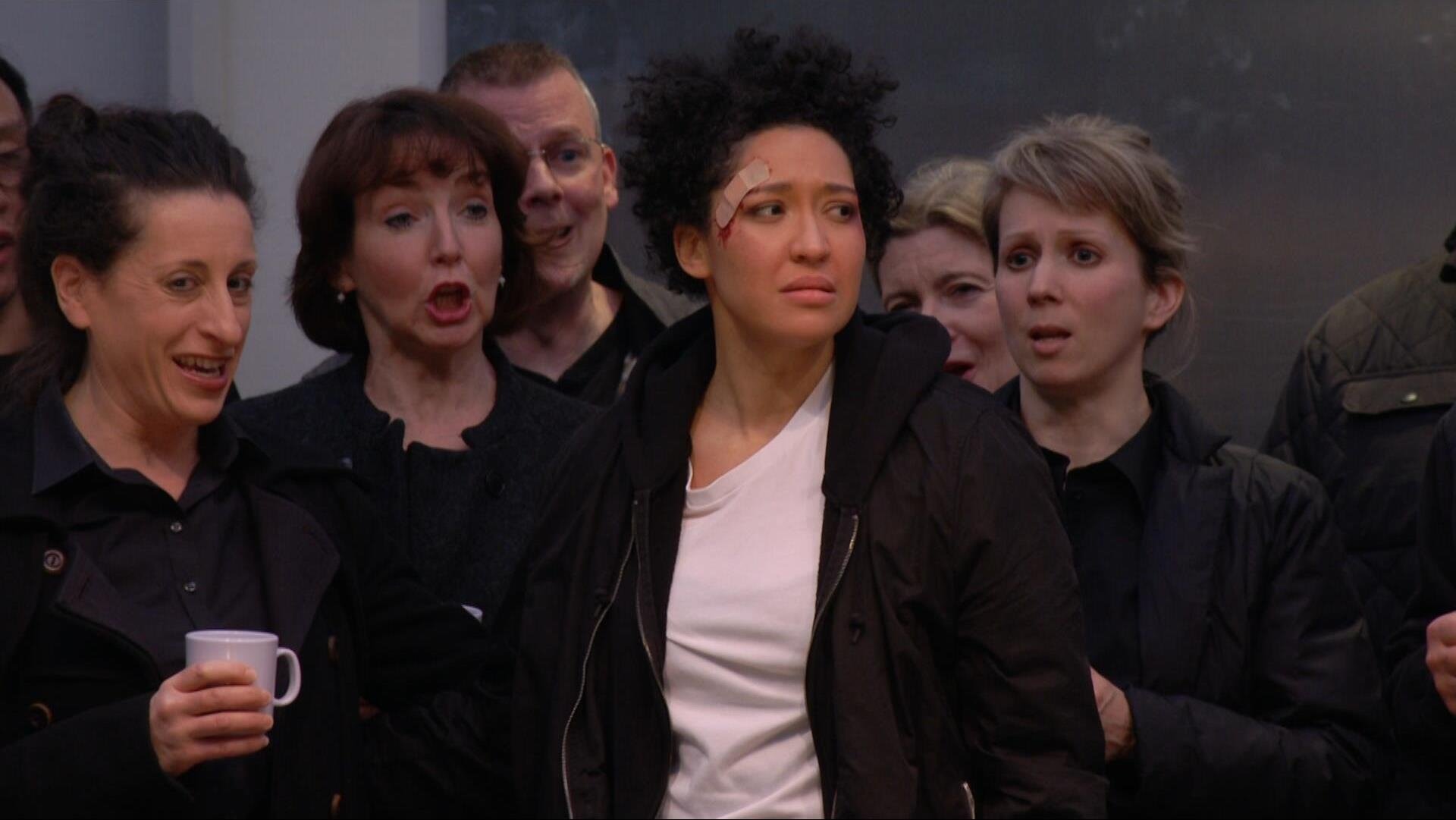
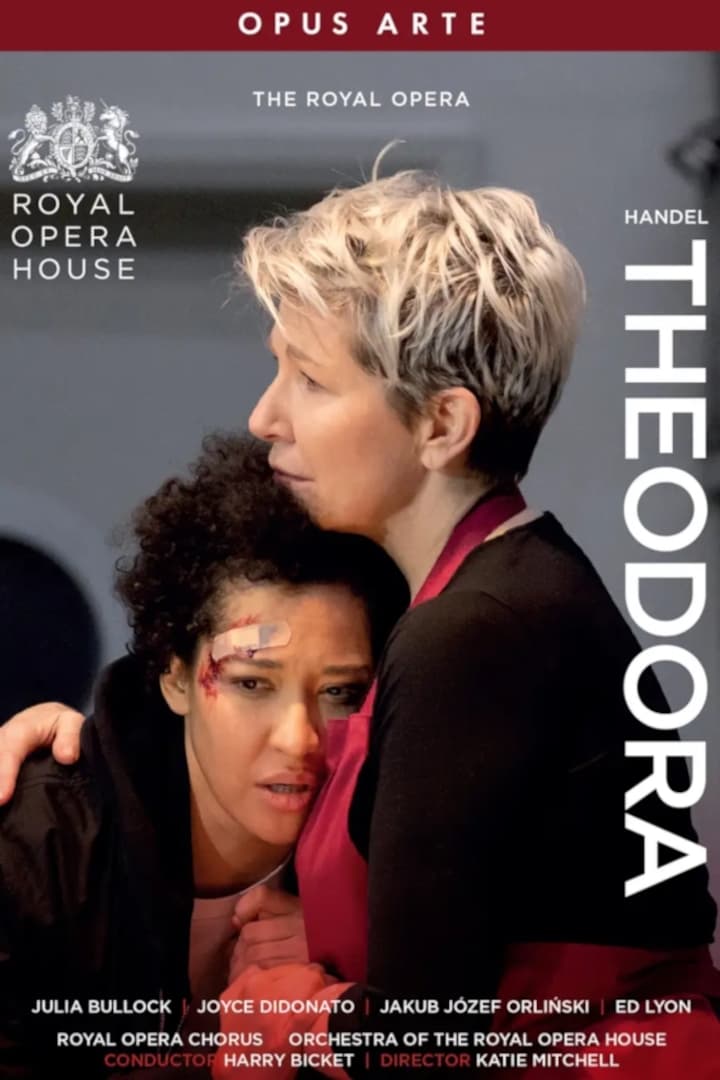
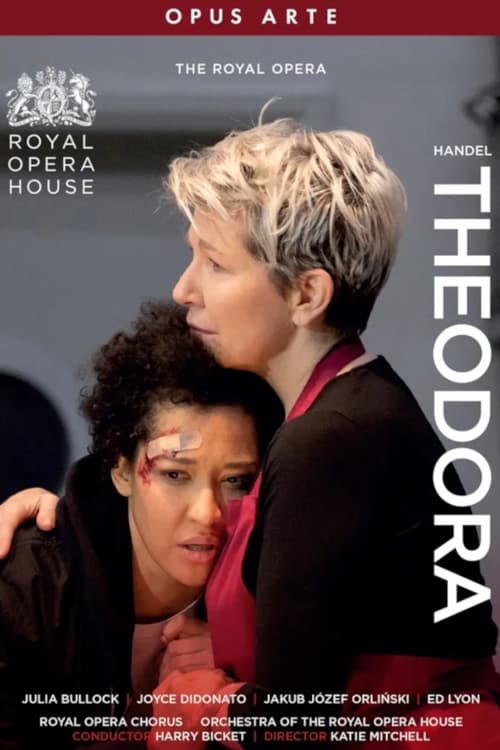
Julia Bullock, Joyce DiDonato and Jakub Jozef Orlinski star in Katie Mitchell’s thrilling new production of Handel’s Theodora in an alternative modern-day reality, Theodora, a religious fundamentalist, plots for the resistance against the Roman occupation. But when her secret plan to destroy the Roman embassy is discovered, she learns the true brutality of her oppressors. Harry Bicket conducts the Orchestra of the Royal Opera House




Julia Bullock
Julia Bullock
Theodora
Julia Bullock
Theodora
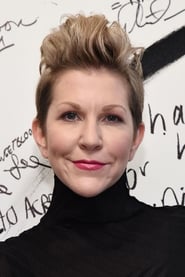
Joyce DiDonato
Joyce DiDonato
Irene
Joyce DiDonato
Irene

Jakub Józef Orliński
Jakub Józef Orliński
Didymus
Jakub Józef Orliński
Didymus
Ed Lyon
Ed Lyon
Septimus
Ed Lyon
Septimus
Gyula Orendt
Gyula Orendt
Valens
Gyula Orendt
Valens
Thando Mjandana
Thando Mjandana
Marcus
Thando Mjandana
Marcus
Similar Movies
Siv works as a prompter for the Norwegian opera. As the rehearsals for Aida starts, she marries a demanding man, Fred, who still has a strong connection to his ex-wife. Starting at her wedding, Siv must repeatedly take a back seat, both to Freds children and their mother. But when she meets a man who shares her passion for music, she starts to question the path her life has taken.
This first film of Cyprus' first director, Giorgios Filis, depicts music and dance customs in the form and style of a folk opera, with traditional Cypriot dances and songs. The film consists of a folkloric inventory based on the folk culture of Cyprus, as well as on similar ritual happenings. The narration and dialogue are entirely in the Cypriot dialect and are characterized by a rhetorical and poetic mood.
Performed at Madrid's historic Teatro Real in 2018, Ivor Bolton conducts Benjamin Britten's opera based on Lytton Strachey's 1928 Elizabeth and Essex: A Tragic History. In her repeated clashes with the Earl of Essex-a longtime favorite of the queen who was ultimately put to death for treason-Elizabeth I is depicted as flawed and vain, human and sympathetic.
Opera in three acts, a prologue and an epilogue, by Jacques Offenbach (1819-1880), with a libretto in French by Jules Barbier (1825-1901), based on a work that Barbier himself and Michel Carré (1821-1872) had written based on stories by E.T.A. Hoffmann (1776-1822). Approximate duration: 2 h 45 min Recommended for those over 15 years old. The young poet Hoffmann, accompanied by Nicklausse, his alter ego and confidant, is in a tavern next to the theatre where Mozart's Don Giovanni is being performed. During the opera's intermission, some diners arrive at the bar who, upon seeing the poet, encourage him to sing and tell them the story of his famous love affairs. Hoffmann finally gives in and shares with them the stories of Olympia, Antonia and Giulietta. They, absorbed in the poet's stories, remain in the tavern, forgetting about the opera performance.
17-year old Sarah, filled with adolescent angst, is an extreme person who in her rehearsals with a theatre group is transformed until she is almost in a trance, and her performances at home or elsewhere verge on excess. A cold, intellectual father, a timid mother, a younger sister and an older brother who has left home complete the picture: a silent time bomb.
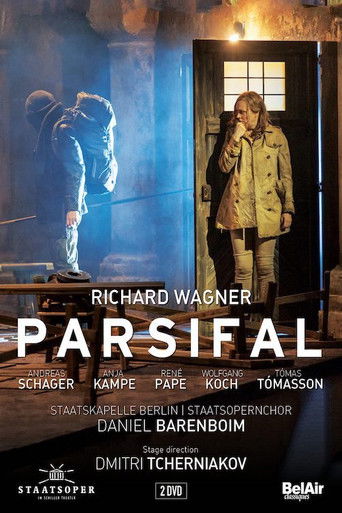
Wagner’s mystic masterpiece Parsifal at the Staatsoper Berlin, staged by Dmitri Tcherniakov and conducted by Daniel Barenboim. Wagner’s last opera, Parsifal is a medieval epic story marked by Christian, Buddhist and esoteric references. It is about redemption and renewal, but this new production by Russian director Dmitri Tcherniakov adds a jarring note : revenge. This “Festival Play for the Consecration of the Stage” is similar to a Medieval epic, a blend of metaphysical dreams and esoteric battles with constant spiritual references. This new production is directed by Dmitri Tcherniakov, conducted by Daniel Barenboim and sung by an international cast of excellent singers: Andreas Schager, Anja Kampe, Wolfgang Koch, René Pape, Tomas Tómasson and Matthias Hölle.
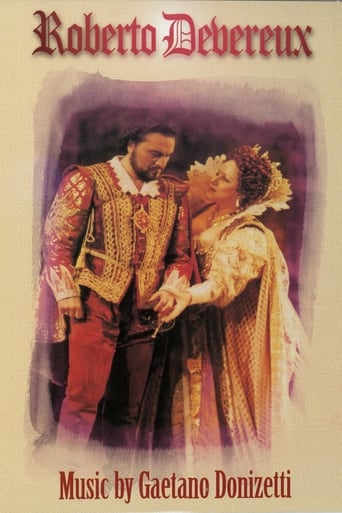
A lyric tragedy in three acts by Gaetano Donizetti, libretto by Salvatore Cammarano. Roberto Devereux was composed in the summer of 1837, the year, according to biographers, in which Donizetti seems to have suffered most, having lost his third son and his adored wife Virginia Vasselli. The opera made its debut at the San Carlo Theatre in Naples on October 28th in the same year and was a great success. The rehearsals of the original performance were postponed for a month due to censorship of the decapitation scene of the leading actor.
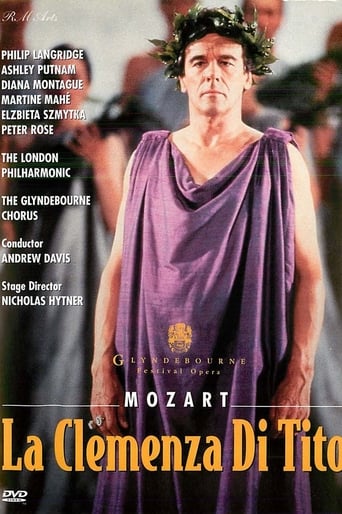
Mozart's La Clemenza Di Tito was originally commissioned to celebrate the coronation of the Emperor Leopold II as King of Bohemia in 1791. This rarely-seen masterpiece was Mozart's last opera. Nicholas Hytner's elegant staging for the Glyndebourne Festival Opera sheds new light on the compelling story of passion that overrides loyalty and integrity that is tested to the extreme.
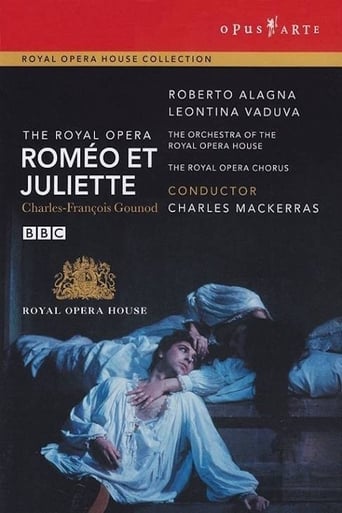
Charles Mackerras teases the romantic beauty from Gounod's score, which has been widely admired since its first performance at the Théâtre Lyrique, Paris, in 1867. In this 1994 recording, the youthful Roberto Alagna as Roméo and Leontina Vaduva as the unattainable Juliette lead an excellent cast in this touching portrayal of impossible love, based on Shakespeare's play.