


Kinokinokino
Documentary
Overview
What was cinema in the past? What is cinema today? Hamburg filmmaker Dennis Albrecht asked himself these questions as he sifted through material he had been collecting since a project idea in 2008. Since then, he has repeatedly taken cameras into cinemas that no longer exist. He shot commercials, short films or events at the Grindel-Kino, Streit's, Rialto and Savoy and many other Hamburg movie theaters. In these personal perspectives, we see many cultural places that have disappeared.

Dennis Albrecht
Dennis Albrecht
Himself
Dennis Albrecht
Himself

Maria Fuchs
Maria Fuchs
Herself
Maria Fuchs
Herself
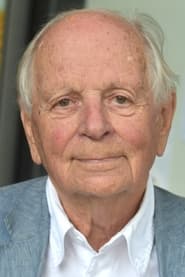
Werner Grassmann
Werner Grassmann
Himself
Werner Grassmann
Himself

Martin Reese
Martin Reese
(archive footage)
Martin Reese
(archive footage)

Stephanie Charlotta Koetz
Stephanie Charlotta Koetz
(archive footage)
Stephanie Charlotta Koetz
(archive footage)
Janis Zaurins
Janis Zaurins
(archive footage)
Janis Zaurins
(archive footage)
Volker Reißmann
Volker Reißmann
Himself
Volker Reißmann
Himself
Similar Movies
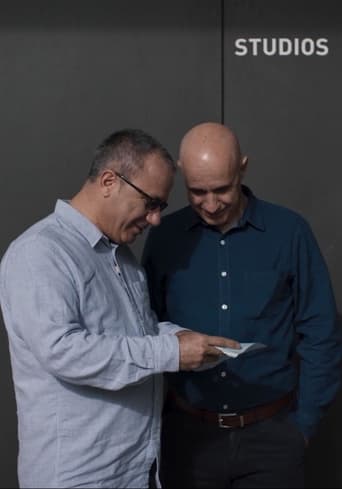
Two men, the hint of a sofa corner and a pile of letters. Using minimalist means, the film tells the story of two brothers caught between exile in a foreign country and resistance in the underground. It takes us back to the time when the revolution seized power in Iran and tells of life between the fronts. Daniel Asadi Faezi sketches the story of his father and his brothers - based on correspondence that has lain in the cellar for 30 years.
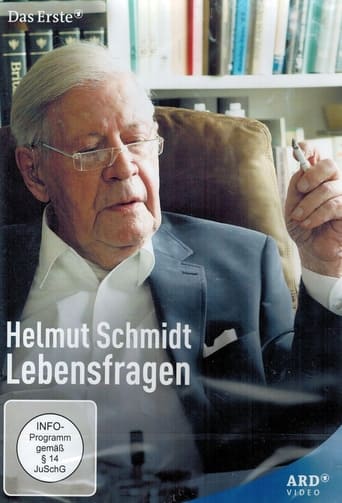
On December 23, 2013, former Federal Chancellor Helmut Schmidt will be 95 years old. As the second Social Democratic head of government in the Federal Republic of Germany, he shaped the country like few other chancellors. Even 30 years after the end of his time in government, he is still a highly esteemed expert whose advice and opinions are in demand. He is one of the most popular chancellors among the population and is held in the highest esteem by his party; even his political opponents at the time pay him the greatest respect.
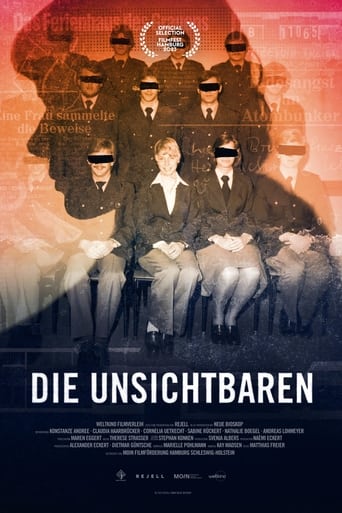
The film follows the career of detective inspector Marianne Atzeroth-Freier through the Hamburg police force of the 80s and 90s. At the end of the 70s, Marianne is 30 years old and a single parent; she becomes one of Hamburg's first female police officers. Marianne is one of the first women ever to be promoted to the Hamburg homicide squad. The opposing forces in this male-dominated world are strong, she is not really taken seriously and is even bullied along the way, until she comes to the attention of the furrier Lutz R.. Against the considerable resistance of her superior, Marianne investigates in her spare time and makes a significant contribution to solving the case of the "acid barrel murderer".
Hamburg, summer 1945: The young English control officer Captain Hannes Hacker arrives in the Hanseatic city to initiate the establishment of a new, liberal German radio station - in the Funkhaus on Rothenbaumchaussee. But Hacker also has private ties to Hamburg. He was born here and lived here until he had to leave his hometown on a Jewish Kindertransport.
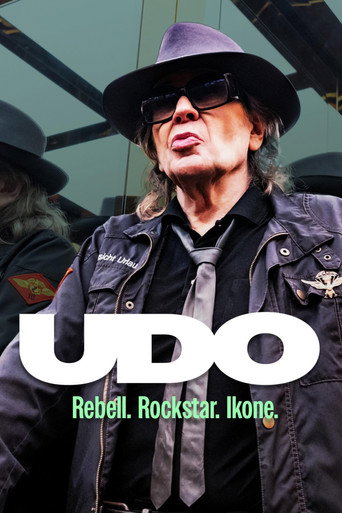
Celebrating Udo Lindenberg’s 80th birthday, exploring his extraordinary career as one of Germany’s most influential rock musicians. The film traces his rise from a rebellious young artist to a national icon, highlighting his music, political activism, and unique personality. Through interviews, archival footage, and behind-the-scenes insights, the documentary showcases Lindenberg’s cultural impact and enduring legacy in the German music scene.

Music as a counter-project to a bourgeois existence: Musicians, club and label operators, record store owners and other music lovers talk about how, despite social and economic constraints, they realize their very different, bohemian and sometimes precarious life projects on the sidelines - and always go on. Detailed essays, experience reports, portraits and interviews are dedicated to the alternative music and club scene in Berlin and Hamburg.