

Angry Monk - Reflections on Tibet
Documentary
Overview
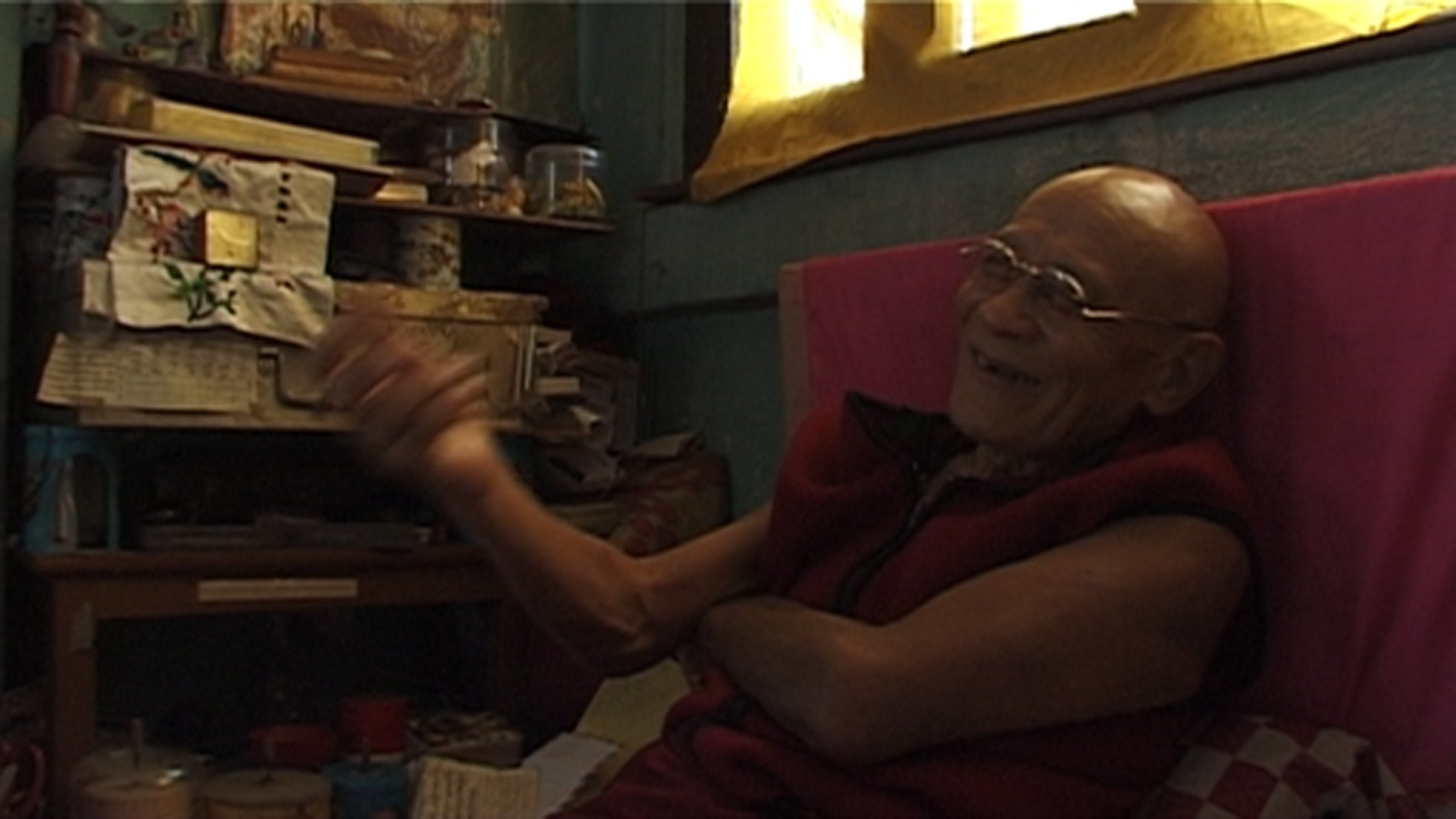
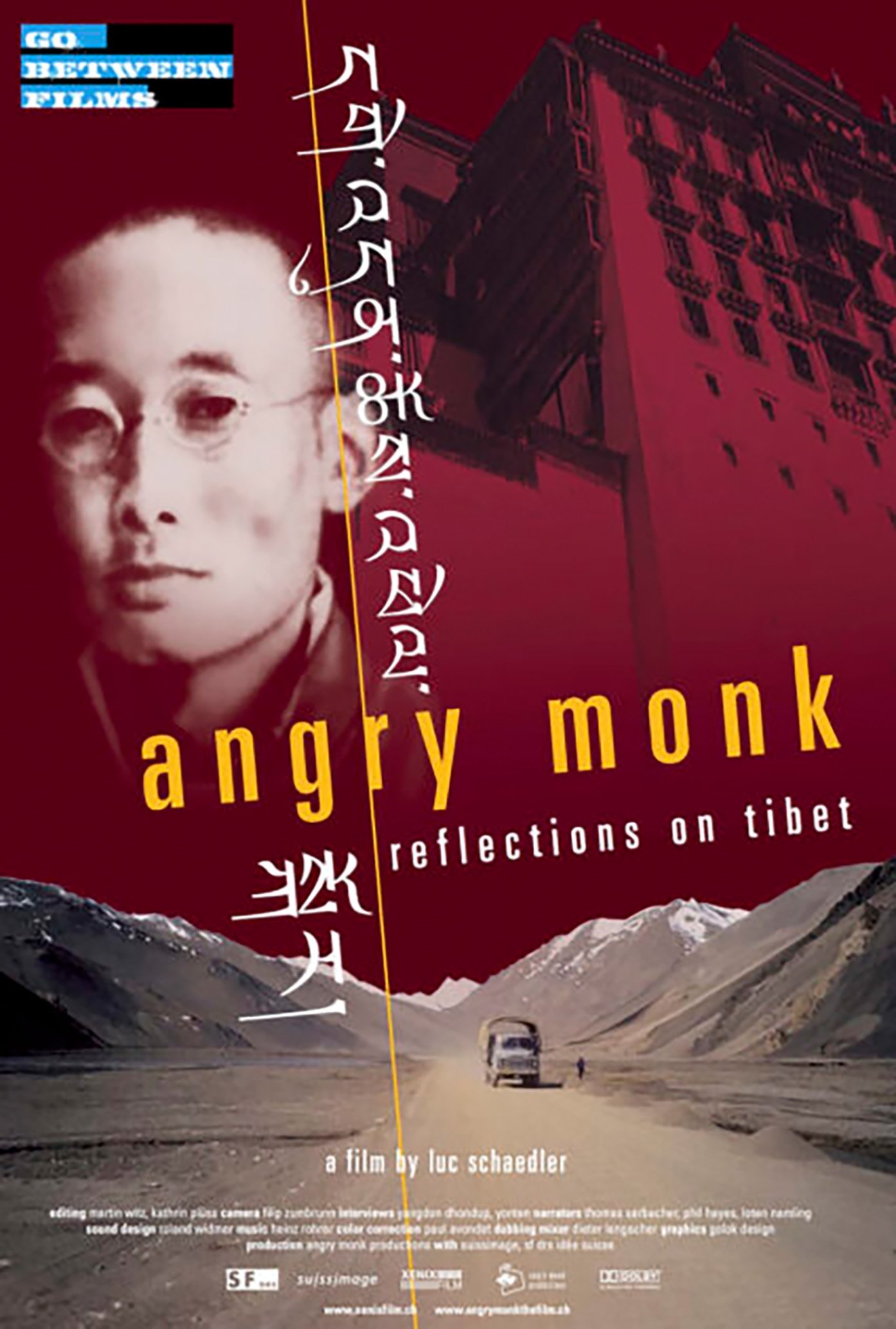
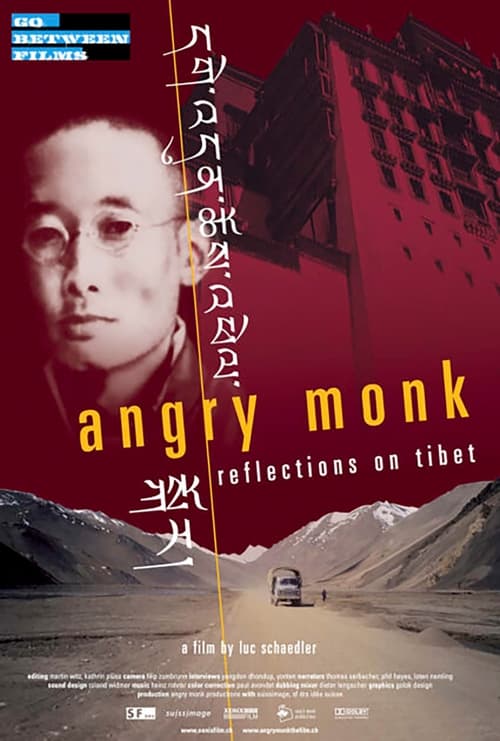
Schaedler's film tells the fascinating story of Tibetan monk Gendun Choephel whose robes ultimately proved to be too constricting for his imagination and intellect. Born in 1903, Choephel left an indelible mark on Tibetan culture and became an icon for young Tibetans today. Because of his political views he was persecuted by the Tibetan government and died a broken man in 1951. The film follows in the footsteps of the rebel monk whose intellect challenged the ancient traditions of old Tibet. Journeying through Tibet and India, “Angry Monk” provides a vivid picture of Tibet that is in refreshing contrast to its often idealized and esoteric image.
Top Cast



Golok Jigme
Golok Jigme
self
Golok Jigme
self
Alak Yongtsin
Alak Yongtsin
self
Alak Yongtsin
self
Tashi Tsering
Tashi Tsering
self
Tashi Tsering
self
Jamyang Norbu
Jamyang Norbu
self
Jamyang Norbu
self
Yudrung Gya
Yudrung Gya
self
Yudrung Gya
self
Hortsang Jigme
Hortsang Jigme
self
Hortsang Jigme
self
Similar Movies
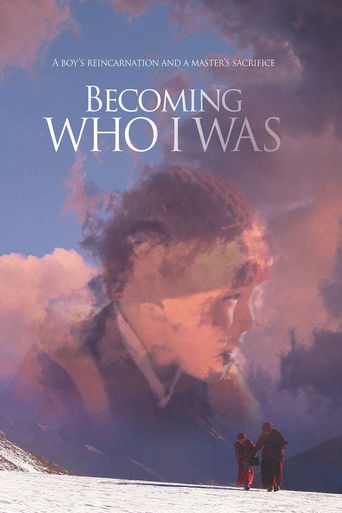
Angdu is no ordinary boy. Indeed, in a past life he was a venerated Buddhist master. His village already treats him like a saint as a result. The village doctor, who has taken the boy under his wing, prepares him to be able to pass on his wisdom. Alas, Tibet, Angdu’s former homeland and the centre of his faith, lies far away from his current home in the highlands of Northern India. On top of that, the conflict between China and Tibet makes the prospect of a trip there even more daunting. Undeterred by these harsh facts, the duo set off for their destination on foot, accompanied by questions of friendship and the nature of life. With its narrative approach steeped in a serene sense of concentration, this documentary film, composed over a period of eight years, stands as a fundamental experience in its own right.
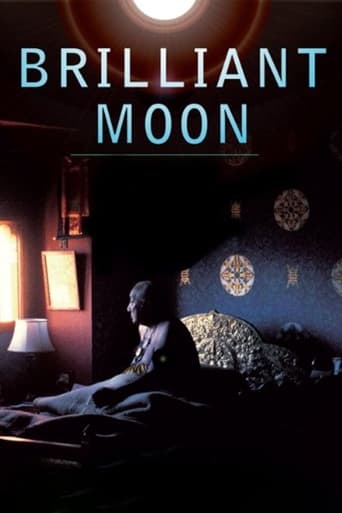
Brilliant Moon chronicles the life of the writer, poet, and meditation master Khyentse Rinpoche, one of Tibet's most revered 20th-century Buddhist teachers. Spiritual guide to His Holiness the Dalai Lama and the Royal Family of Bhutan, his life and teachings were an inspiration to all who encountered him. Richard Gere and Lou Reed provide the narration for his dangerous journey out of China, the subsequent spread of his influence and the search for his reincarnation after his death.
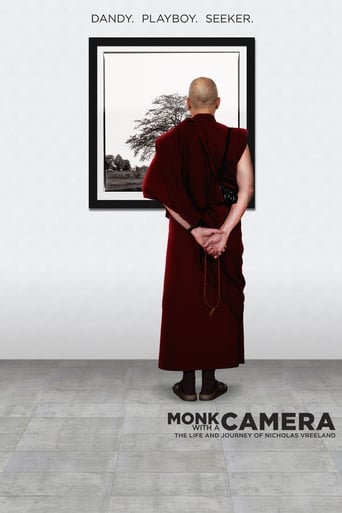
Nicholas Vreeland walked away from a worldly life of privilege to become a Tibetan Buddhist monk. Grandson of legendary Vogue editor Diana Vreeland and apprentice of photographer Irving Penn, Nicholas' life changed drastically upon meeting one of the Dalai Lama's teachers. Soon thereafter, he gave up his glamorous life to live in a monastery in India, ultimately returning to his roots in photography to help his fellow monks rebuild their monastery.
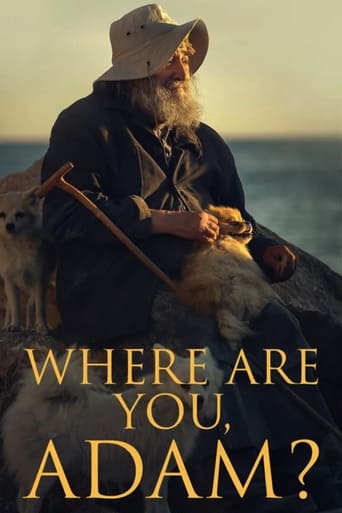
The plot of the film unfolds in the ancient monastery of Dokhiar on the west coast of Mount Athos, on the Aegean peninsula. This peninsula is given to the exclusive use of the monks of Eastern Christianity. Images of nature are woven into a virtually uninterrupted series of work and prayer, lining up in the rhythmic interrelation of man and nature. The central figure of the film was the monastery’s elder, Hegumen Gregory, whose long-term experience of spiritual nourishment rewarded him with a deep understanding of the human soul and her desire to return to the state characteristic of Adam’s human nature before the fall.
What does it mean to follow one’s calling into an abbey and a brewery? Inspired by the growth of the American craft beer movement, a group of Catholic monks in Spencer, Massachusetts produces America’s first “Trappist-certified” beer, a historically European tradition that offers an opportunity for the community to preserve their unique way of life. “Ora et labora” is Latin for “work and prayer,” and is the motto of the Christian monastic life.
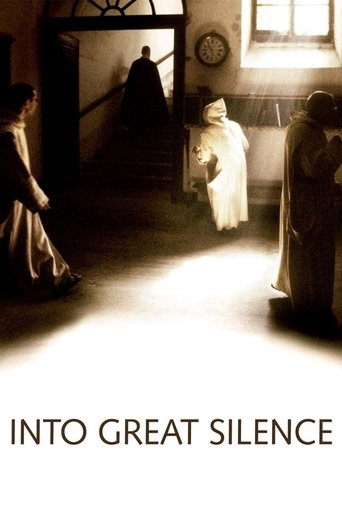
An intimate portrayal of the everyday lives of Carthusian monks of the Grande Chartreuse, high in the French Alps (Chartreuse Mountains). The idea for the film was proposed to the monks in 1984, but the Carthusians said they wanted time to think about it. The Carthusians finally contacted Gröning 16 years later to say they were now willing to permit Gröning to shoot the movie, if he was still interested.
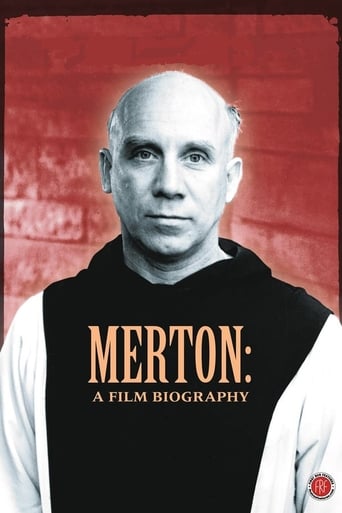
In his lifetime, Thomas Merton was hailed as a prophet and censured for his outspoken social criticism. For nearly 27 years he was a monk of the austere Trappist order, where he became an eloquent spiritual writer and mystic as well as an anti-war advocate and witness to peace. Merton: A Film Biography provides the first comprehensive look at this remarkable 20th century religious philosopher who wrote, in addition to his immensely popular autobiography The Seven Storey Mountain, over 60 books on some of the most pressing social issues of our time, some of which are excerpted here. Merton offers an engaging profile of a man whose presence in the world touched millions of people and whose words and thoughts continue to have a profound impact and relevance today.
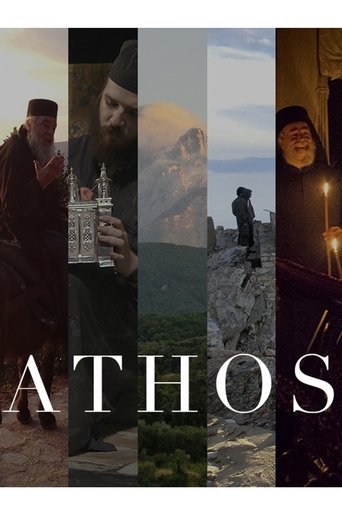
The Athos peninsula in Greece is one of Europe's last secrets. Over 2000 monks live on Athos - cut off from the outside world. Access is denied to women, tourists are not welcome. Only workers and pilgrims can obtain a visa. The "Autonomous Monastic State of the Holy Mountain" attracts people who feel like they are missing something from their modern lives. With the help of three Athos monks, "Athos - A Taste of Heaven" tells the story of the island and its inhabitants in a unique filmed diary style. The film's guiding theme is the path we as people have to find and follow - each and everyone for themselves. "First we must heal our own souls, only then we can help others", is one of Father Galaktions core messages. He lives as a hermit on the holy mountain. Not all monks, however, live as secluded and demure as Father Galaktion. The film team is also received by Father Epiphanios - a gifted and poetic cook who certainly does not disdain the pleasures of life.