

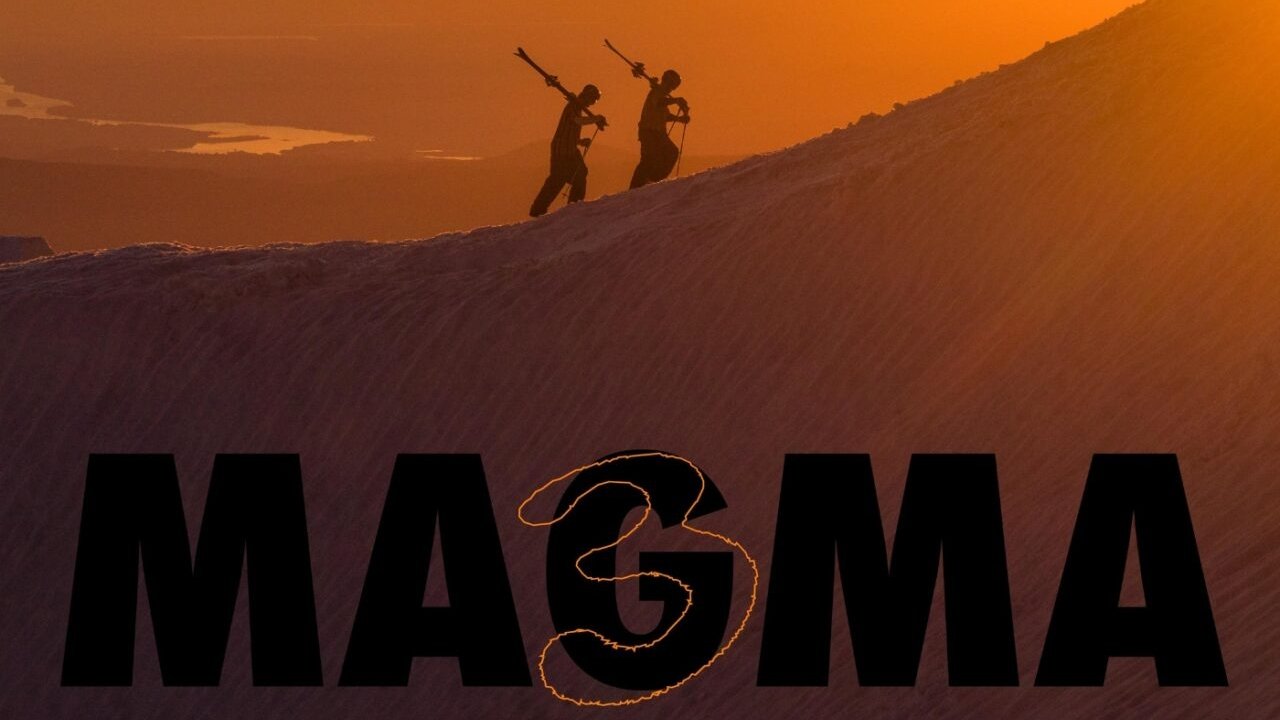
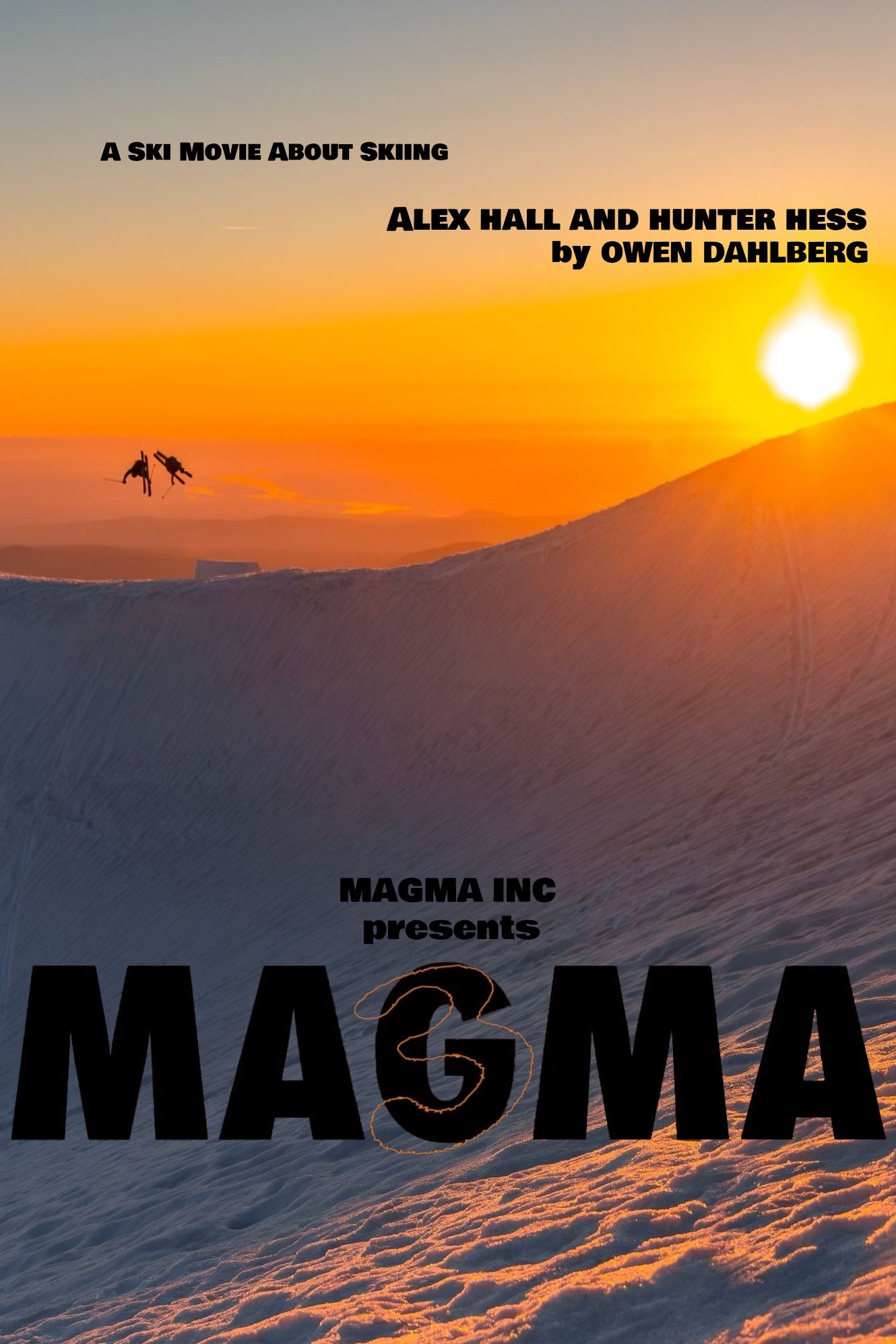
Magma 3
Documentary
Overview
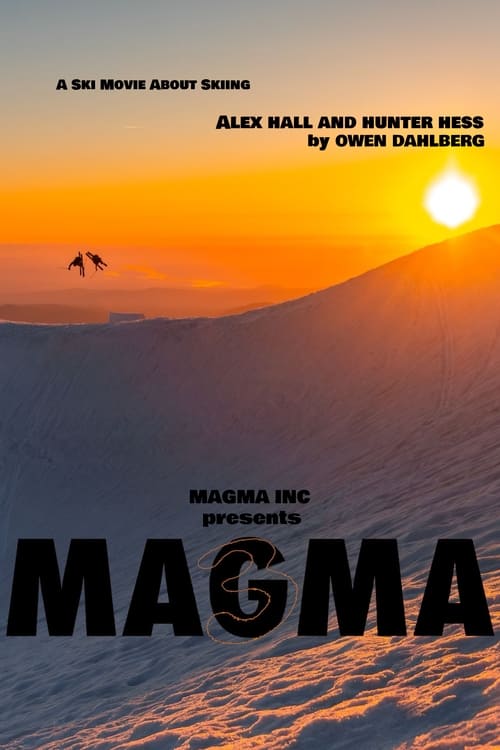
Winner of 2023 IF3 "Best Urban Segment" starring Alex Hall and Hunter Hess. The third installment of the Magma Trilogy.
Top Cast








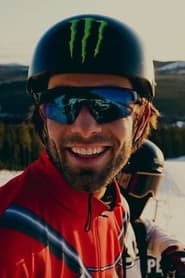
Alex Hall
Alex Hall
self
Alex Hall
self
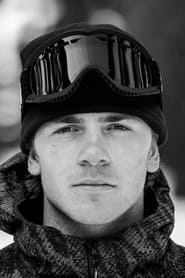
Hunter Hess
Hunter Hess
Self
Hunter Hess
Self
Similar Movies
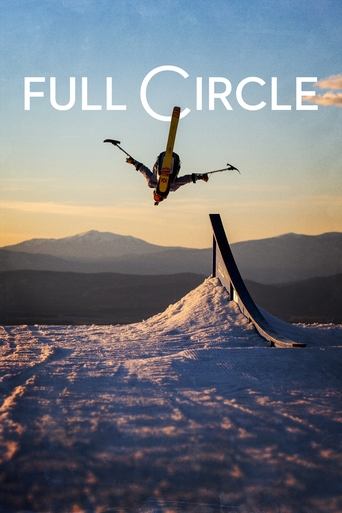
Faced with a traumatic injury that renders you permanently disabled; how would you reinvent yourself? Full Circle tells the story of Trevor Kennison and Barry Corbet’s shared resiliency and refusal to let their passion for life be limited by Spinal Cord Injury. It is an unblinking examination of the challenges of Spinal Cord Injury, and a celebration of the growth that such tragedy can catalyze.
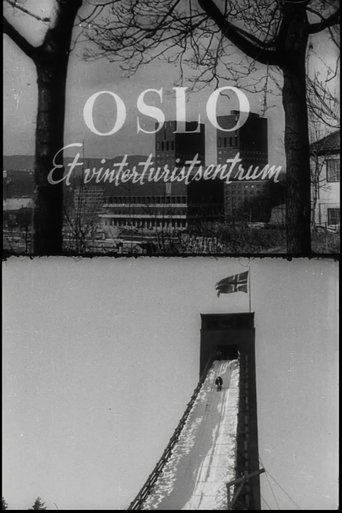
On a winter weekend, Oslo has much to offer, from skiing trips and cabins in the surrounding forests to urban nightlife in the city center // Oslofilm was a series of public information films about life in and around Oslo, produced between 1940 and 1980. Funded by the state, the films offer valuable insight into postwar Norwegian society. A wide range of Norwegian filmmakers contributed to the productions, resulting in a rich variety of styles and expressions. Several of the films also possess notable cinematic qualities, standing out as more than just informational material. The Oslofilms represent a unique and important chapter in Norwegian film history.
Nikolai and Vegard were childhood friends who spent their free time on the ski slopes. Now, Nikolai has become a professional skier, while Vegard lives in caves and trains obsessively to complete a perilous and physically demanding ski tour. This is a story about friendship and setting ambitious goals.
While the ski racers leave Kitzbühel for the next World Cup location, the members of the Kitzbüheler Ski Club (KSC) are already starting preparations for next year’s race. “Streif – One Hell of a Ride” documents this work – both the spectacular and the small tasks – over the course of one year. At the same time, the film follows five athletes – Aksel Lund Svindal, Max Franz, Hannes Reichelt, Erik Guay and Yuri Danilochkin – in their respective native countries, during their summer training and in their free time. As the 2014 Hahnenkamm Race approaches, these two narratives become more and more interwoven, interspersed with stories from the event’s past – until the athletes arrive back in Kitzbühel.
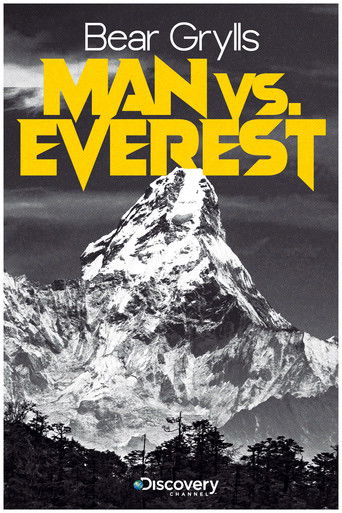
In this documentary, Bear Grylls takes us on a journey through the most extreme version of the world's highest and most legendary peak: Mount Everest. Several leading figures in mountaineering and extreme sports, for whom a standard ascent is no longer enough, transform Everest into a laboratory for extreme challenges. Told through archival footage and reenactments, this elite group seeks new forms of performance, attempting to ski the slopes, snowboard down them, hang-glide or paraglide above the summit ridge, open new routes on more technical and exposed faces, and break climbing records. The documentary also highlights the essential role of the Sherpas, the colossal logistics behind each attempt, the explosion of commercial expeditions, and the moral debate surrounding the ever-increasing risks involved in breaking records or achieving unprecedented feats.
René Collet, skier member of the French team, guides a friend from the summit of the Aiguille du Midi. This descent is an opportunity to focus on the remarkable elements of the terrain: the cable car and its work still in progress, the surrounding peaks (Capucin, Mont Maudit, Mont Blanc). The two skiers stop regularly, here to observe climbers scaling the south face of the Aiguille, there to visit the Cosmiques Laboratory. They even take the time to rescue a skier stuck in a crevasse at the Séracs du Géant, before continuing their descent in style onto the Mer de Glace.
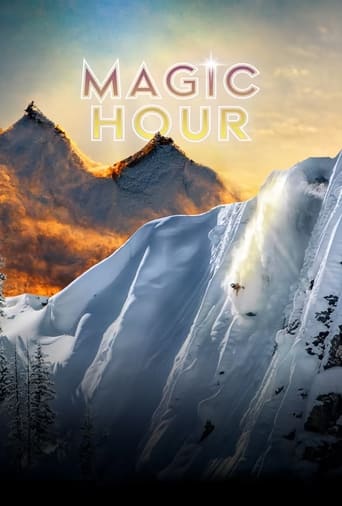
For 27 years, Teton Gravity Research has been searching for the right place with the right crew at the perfect time to experience life at its fullest. Between the thrill of the hunt and the peace of floating down a mountain, the sum of our experiences becoming greater than its parts is what we seek. If you ask us, our annual snow film Magic Hour is just that.
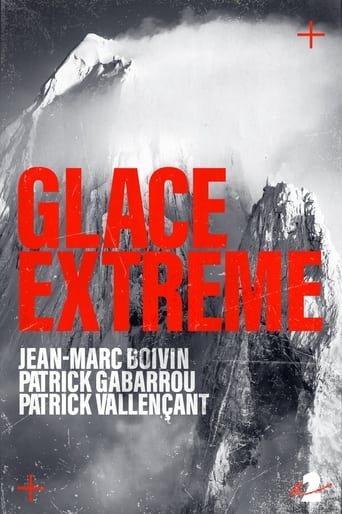
Directed by Jean-Marc Boivin in 1977, Glace Extrême is a documentary about mountaineering and extreme skiing at the Aiguille Verte and the Grand Pilier D'angle in the Mont-Blanc massif chain in France, with the legends of mountaineering Jean-Marc Boivin, Patrick Gabarrou and ski champion Patrick Vallencant. It was broadcast in the Carnet de L'Aventure on France 2 in 1980.
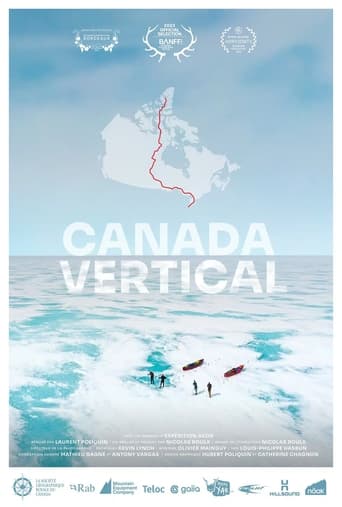
After years of preparation, a team of highly motivated Quebeckers set out on one of the longest wilderness expeditions ever documented. Stage one involves skiing in relentless polar conditions from Ellesmere Island to the Northwest Passage where the challenge was reaching the mainland. Cue canoes for a 2000km journey across Nunavut and NWT until they reach the first dirt road available where bikes are waiting to be pedalled 4000km to Point Pelee in Ontario.
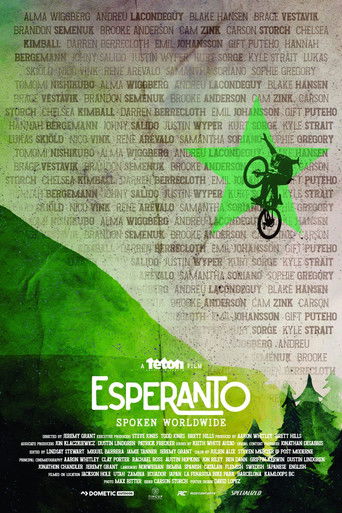
Esperanto is TGR’s latest action-packed mountain bike film with an added twist. Mixing the rock stars of the sport with a cast of unknown and up-and-coming heroes, the film explores how we share our dreams through a universal two-wheeled language no matter what our native tongue may be. The sacred ritual of the ride might sound different all across the world – whether it’s a full-face getting pulled down to drop into a big jump line or wheeling a beat-up bike out of a mud hut to pedal to school – but it’s a universal process no matter what language we speak. There are more than 7000 languages spoken on Earth. In 1887 a Polish-Jewish doctor named L.L. Zamenhof created a new one, a universal second language based on a combination of existing widely-spoken European languages. Its goal, to help bring people together from different ideologies, beliefs, and nations and ultimately to help end war. The language was called Esperanto. Translated into English it means ‘one who hopes.’
Hans Thirring, a theoretical physicist at the University of Vienna, is skiing down a mountain slope wearing cape-like attire. The cape, designed by Thirring and called the Thirring mantel, is made of parachute silk and acts somewhat like a parachute to provide its wearer reduced speed while shushing down the slopes. But it also provides lift so that the skier is lighter on his skis, almost weightless. This "flight" somewhat mimics the experience felt by those participating in the relatively new sport of ski-flying (also known as ski jumping), which must have exacting conditions (i.e. little wind, hard packed snow) to ensure safety. Even in ideal conditions, ski-flying is a dangerous sport, especially if the landing is not executed properly.