

There's Reason in Rhumba
Music
Overview
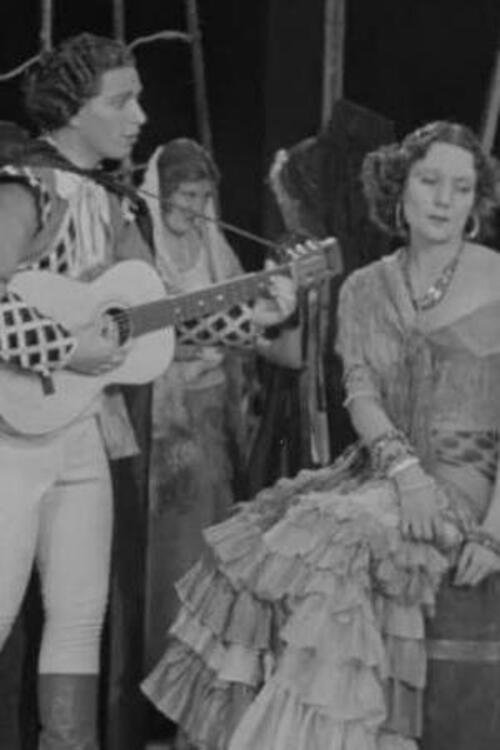
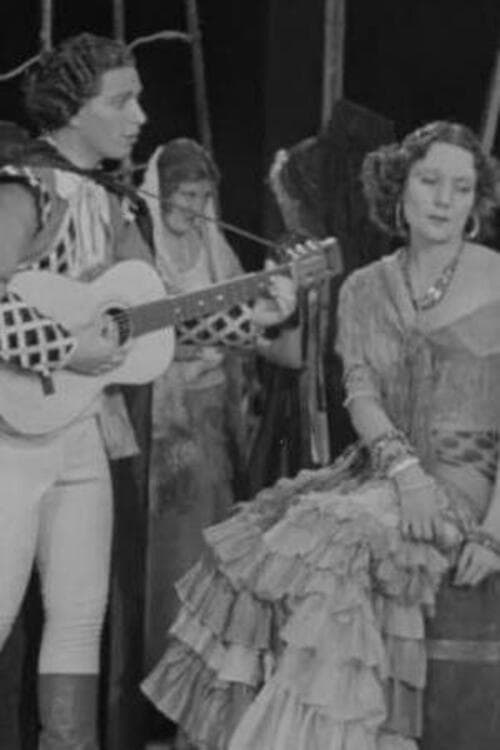
Rhythm and romanticism rules over realism in this recreation of the origins of the rhumba dance




Julie Suedo
Julie Suedo
Julie Suedo
Sergio Margolinsky
Sergio Margolinsky
Sergio Margolinsky
Micheal Ronni
Micheal Ronni
Micheal Ronni
Similar Movies

Best friends Galleria, Chanel, Dorinda, and Aqua, A.K.A. the girl band "The Cheetahs," get the opportunity of a lifetime when they strut their way to Barcelona, Spain, to perform in an international music festival. Along the way, the "amigas Cheetahs" learn that, although their paths are not the same, they are lucky to have one another for the journey.
Verdi’s IL TROVATORE again storms the Met stage in a star-studded, anvil-wielding cast , including Sondra Radvanovsky, Dolora Zajick and Dmitri Hvorostovsky. Marcelo Álvarez sings Manrico, the troubadour of the title. The story is well-known already: The gypsy Azucena has harbored a grudge for thirty years, but she is about to have revenge at last. Meanwhile, her son Manrico is in love with Leonora, but so is his arch-enemy, the Count Di Luna. A pot-boiler, where every tune is a hit.
The gypsy Azucena (Fiorenza Cossotto) takes revenge for her mother who was accused of putting a curse on one of the old Count di Luna's two sons: she decides to abduct the younger child and throw it in the flames. But when she is about to carry out this fatal act, the gypsy sacrifices her own child and keeps the old Count’s son, whom she names Manrico (IL TROVATORE, Plácido Domingo). Later, as adults, the troubadour Manrico and the Count di Luna’s elder son (Piero Cappucilli) do not know each other, but become rivals for the beautiful Leonora (Raina Kabaivanska). Manrico succeeds in winning the young woman’s heart, and she sacrifices herself for him, deceiving the Count’s son. Mad with jealousy, the latter orders the execution of the troubadour in front of his mother. Azucena reveals to him that Manrico was his brother. This legendary performance of Giuseppe Verdi's most successful opera was recorded at the Vienna State Opera under the baton of Herbert von Karajan.
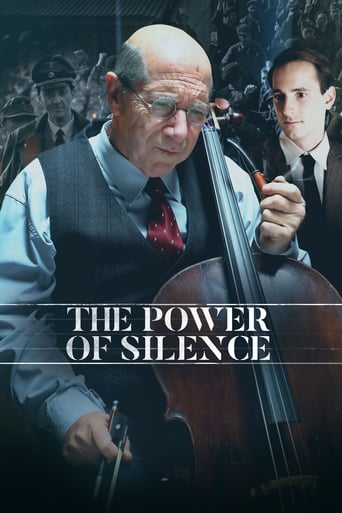
Prades, France, 1940s. The exiled Catalan cellist Pau Casals decides not to perform any more in public until the fall of the dictatorship that oppresses Spain. Pierre, a young Frenchman studying with Casals, tries to convince him to celebrate an extraordinary concert as a tribute to freedom.
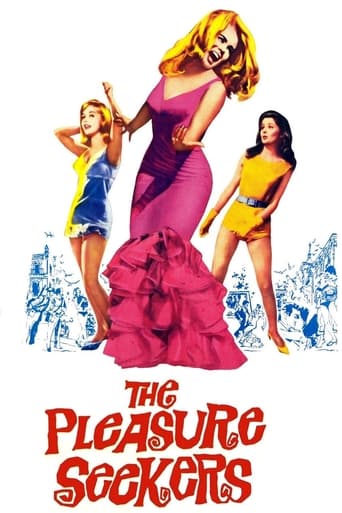
A trio of gorgeous American tourists hope to find love while vacationing in Spain. Secretary Maggie Williams falls hard for a married newsman named Paul Barton while fighting off the advances of one of his employees. Singer Fran Hobson sets her sights on a handsome European doctor. And coed Susie Higgins receives an unexpected proposal from smooth-talking womanizer Emilio Lacaya.
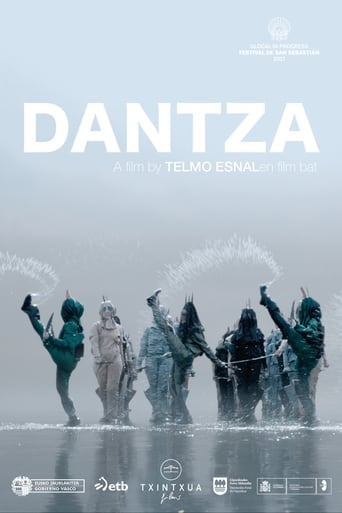
When the rain ends, life sprouts from the earth. A fruit grows and becomes the apple that gives life to the cider. Then comes the time of harvest, toasting and celebrating love. A story about the cycle of life and death, of the struggle for survival. Where the passage of time is marked by the course of nature, music and dance.
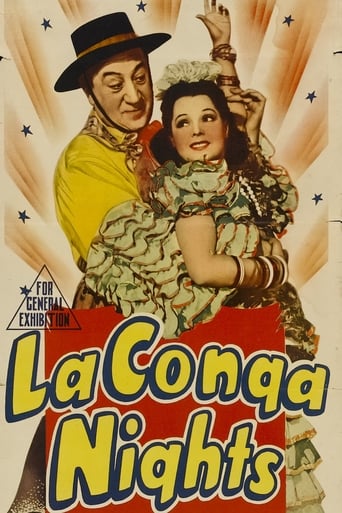
In this comedy, actor Hugh Herbert plays six different roles. Only one of the roles is a man. The story centers around a dizzy music lover, who has grown rich through real estate deals. Also figuring in the story are a cab driver/performer, and a down-on-her-luck, aspiring singer. They meet when she hails his cab as she skips out on her former boarding house because she cannot pay rent.