

The Race for Colour
Documentary
Overview
Antonia Quirke looks at the history of the colour film industry to find out who produced the first moving colour images.


Antonia Quirke
Antonia Quirke
Self - Presenter
Antonia Quirke
Self - Presenter
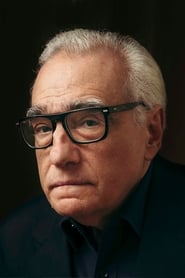
Martin Scorsese
Martin Scorsese
Self
Martin Scorsese
Self
David Cleveland
David Cleveland
Self
David Cleveland
Self
Bryony Dixon
Bryony Dixon
Self
Bryony Dixon
Self
Michael Harvey
Michael Harvey
Self
Michael Harvey
Self
Frank Gray
Frank Gray
Self
Frank Gray
Self
Luke McKernan
Luke McKernan
Self
Luke McKernan
Self
Madge Weller
Madge Weller
Self
Madge Weller
Self
Similar Movies
Cameramen and women discuss the craft and art of cinematography and of the "DP" (the director of photography), illustrating their points with clips from 100 films, from Birth of a Nation to Do the Right Thing. Themes: the DP tells people where to look; changes in movies (the arrival of sound, color, and wide screens) required creative responses from DPs; and, these artisans constantly invent new equipment and try new things, with wonderful results. The narration takes us through the identifiable studio styles of the 30s, the emergence of noir, the New York look, and the impact of Europeans. Citizen Kane, The Conformist, and Gordon Willis get special attention.
Bunny Yeager, once heralded as the world's prettiest photographer, had a huge influence in 20th-century pop culture though few people know her name. Whether by popularizing the bikini, helping discover Bettie Page, shaping the image of Playboy or inventing the selfie, Bunny was a trailblazer whose work bucked against conservative 1950s America and helped pave the way for the feminist movement and the sexual revolution. Yet the very changes she helped usher in would soon render her a forgotten relic...till now.
A camera crew follows Helmut Newton, the fashion and ad photographer whose images of tall, blond, big-breasted women are part of the iconography of twentieth-century erotic fantasy. He's on the go from L.A., to Paris, to Monte-Carlo, to Berlin, where he was a youth until he escaped from the Nazis in 1936. We see him on shoots, interviewing models, and discussing his work.
There could hardly be a more telling contrast between the analog and digital eras than the beautifully blurry memories captured in a Polaroid picture and the thousands of pin-sharp photos on an iPhone. In this ambitious visual essay, Willem Baptist explores the visionary genius of Edwin H. Land, the inventor of the Polaroid camera. Even today, all sorts of people are keeping his instant dream alive. Former Polaroid employee Stephen Herchen moved from the United States to Europe to work in a laboratory developing the 2.0 version of Polaroid. Christopher Bonanos, the author of Instant: The Story of Polaroid, tells us, "When I heard Polaroid would stop making film, it felt like a close friend had died." Artist Stefanie Schneider, who is working with the last of her stock of Polaroid film, is using the blurring that occurs with expired film as an additional aesthetic layer in her photographic work.
Bettie Page was the top pin-up queen of the 50s and developed a cult following in the 80s. She is known for her distinctive hair style and is reputed to be the most photographed pin-up model of all time. This compilation shows Bettie's playful side, featuring her scenes from the full-length burlesque films Striporama (1953), Varietease (1954) and Teaserama (1955) and a dozen complete short films from the 50s including Tantalizing Betty Dances Again, Tambourine Dance, Joyful Dance by Betty, Betty's Hat Dance, Dream Dance by Betty, Dance of Passion, Betty's Clown Dance Part 2, Betty's Lingerie Tease Dance, Betty's Second G-String Dance, Betty's Fireplace Dance, and Pin-Up Beauties Fight (with June King).
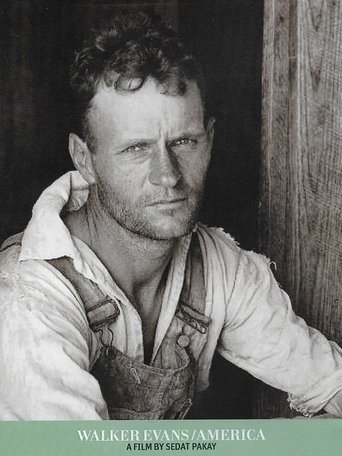
Walker Evans/America profiles the great American photographer Walker Evans (1903-1975), whose style influenced a entire generation of photographers. He is best known for his collaboration with writer James Agee on the book "Let Us Now Praise Famous Men", which illustrated the plight of tenant farmers during the Great Depression. A pioneer of the documentary style of photography, Evans was the first photographer to have a one-man retrospective at The Museum of Modern Art. His photographs, from southern sharecroppers to New York subway riders, are point-of-view images that reflect his distinctive vision of America. Walker Evans/America contains rare interviews with Evans himself, recorded by filmmaker Sedat Pakay while a student at Yale University in the late 1960s.