

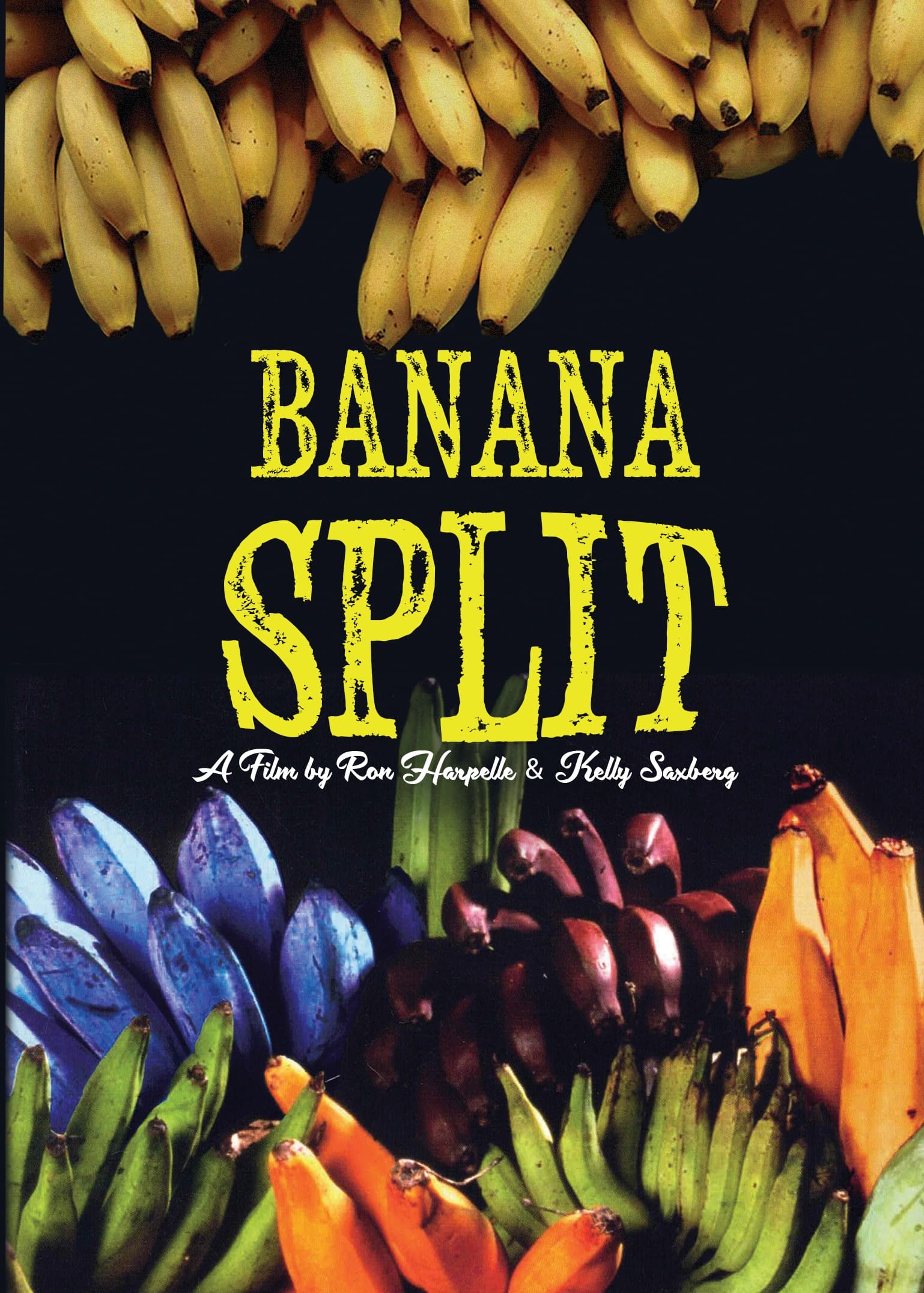
Banana Split
Documentary
Overview
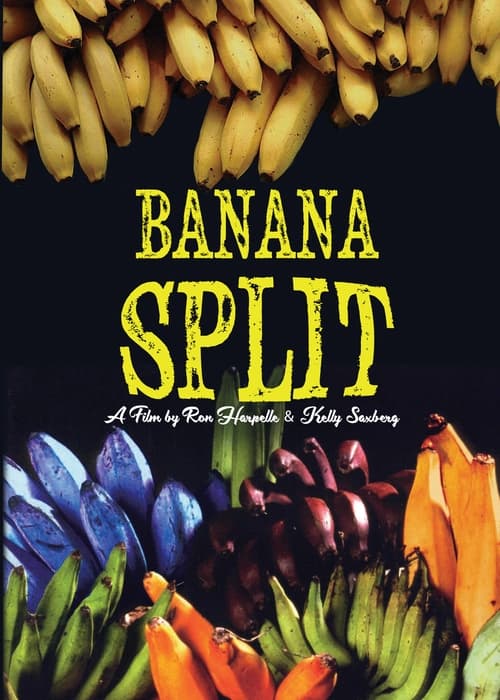
Banana Split takes the viewer on a journey that begins with the hustle and bustle of a fruit market in Thunder Bay, and ends up with an examination of the daily challenges of life in Honduras. In addition to being a popular fruit in Canada, bananas are used as a staple food in more than 100 tropical and sub-tropical countries.





No cast information.
Similar Movies
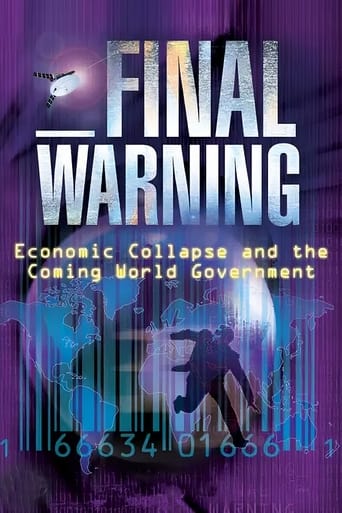
John Wilson wakes up, gets ready for his day and heads to work. He has no idea that he's being watched, tracked and studied. Is he a threat to national security? Is he a terrorist or a criminal? No, he's an ordinary American citizen. Like everyone else, John's rights and freedoms have been systematically destroyed - all in the name of security and convenience. Is it about peace and unity? Or is it about ultimate global power? What if there were hidden forces with no ties to democracy or constitutional rights in power? What if new laws, media propaganda and Secret Societies labeled John a danger to society? And what if all this set the stage for a Biblically prophesied global government run by the Antichrist?
Mondovino (in Italian: World of Wine) is a documentary film on the impact of globalization on the world's different wine regions written and directed by American film maker Jonathan Nossiter. It was nominated for the Palme d'Or at the 2004 Cannes Film Festival and a César Award. The film explores the impact of globalization on the various wine-producing regions, and the influence of critics like Robert Parker and consultants like Michel Rolland in defining an international style. It pits the ambitions of large, multinational wine producers, in particular Robert Mondavi, against the small, single estate wineries who have traditionally boasted wines with individual character driven by their terroir.
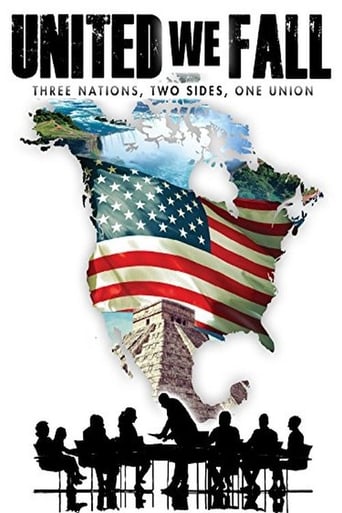
United We Fall is a documentary about a North American Union that is being developed right now between Canada, the United States, and Mexico. For years this topic has been debated in the news and in political circles as being a possible future for North America. In recent years, the mood has shifted and a rift is developing between those who want a deeply integrated North American community, and those who wish to retain their national sovereignty. This film takes a look at both sides of the issue by interviewing insiders such as members of the ultra-secretive Bilderberg group, the Trilateral Commission and the Council On Foreign Relations and also journalists and activists such as Luke Rudkowski, Alex Jones and producer Dan Dicks who have been at the heart of this heated debate.
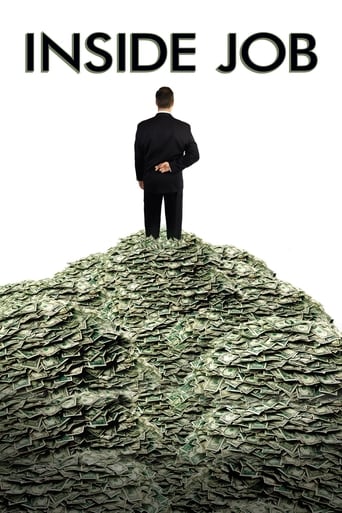
A film that exposes the shocking truth behind the economic crisis of 2008. The global financial meltdown, at a cost of over $20 trillion, resulted in millions of people losing their homes and jobs. Through extensive research and interviews with major financial insiders, politicians and journalists, Inside Job traces the rise of a rogue industry and unveils the corrosive relationships which have corrupted politics, regulation and academia.
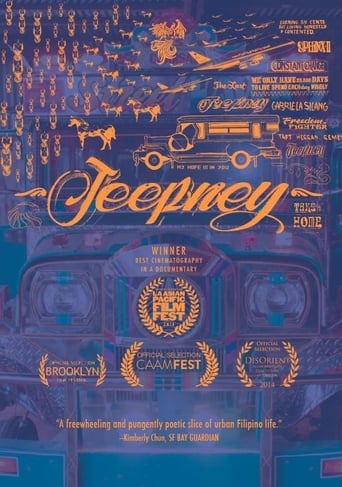
JEEPNEY visualizes the richly diverse cultural and social climate of the Philippines through its most popular form of mass transportation: vividly decorated ex-WWII military jeeps. The film follows jeepney artists, drivers, and passengers, whose stories take place amidst nationwide protest against oil price hikes that pressure drivers to work overseas to earn a living, far from their homes for years at a time. Lavishly shot and cut to the rhythm of the streets, JEEPNEY provides an enticing vehicle through which the rippling effects of globalization can be felt.
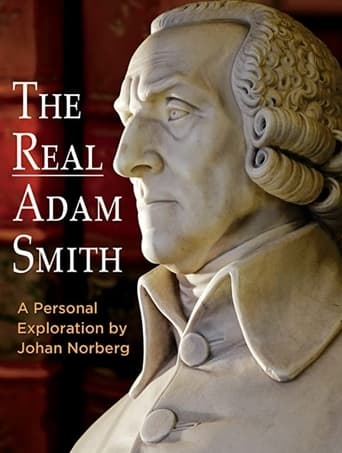
The Real Adam Smith: A Personal Exploration by Johan Norberg, takes an intriguing, two-part look at Smith and the evolution and relevance of his ideas today, both economic and ethical. It’s difficult to imagine that a man who lived with horse drawn carriages and sailing ships would foresee our massive 21st century global market exchange, much less the relationship between markets and morality. But Adam Smith was no ordinary 18th century figure. Considered the “father of modern economics,” Smith was first and foremost a moral philosopher. The revolutionary ideas he penned in The Wealth of Nations and The Theory of Moral Sentiments, changed the world. Norberg explores Smith’s insights regarding free trade and the nature of wealth to the present, where they are thriving and driving the world’s economy.