

Návod na prežitie – Rusíni
Documentary





Ján Hančin
Ján Hančin
Ján Hančin
Jozef Keselica
Jozef Keselica
Jozef Keselica
Marek Rusiňák
Marek Rusiňák
Marek Rusiňák
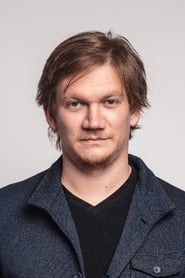
Ladislav Ladomirjak
Ladislav Ladomirjak
Ladislav Ladomirjak
Emil Hrivňák
Emil Hrivňák
Emil Hrivňák
Danka Kirešová
Danka Kirešová
Danka Kirešová
Ján Husťak
Ján Husťak
Ján Husťak
Alžbeta Rusiňáková
Alžbeta Rusiňáková
Alžbeta Rusiňáková
Peter Volčko
Peter Volčko
Peter Volčko
Daniela Kapráľová
Daniela Kapráľová
Daniela Kapráľová
Similar Movies
A documentary about the beauty of Slovak nature with world-renowned wildlife popularizer Nigel Marven... Nigel Marven is a British wildlife filmmaker, screenwriter, presenter and adventurer, known worldwide for his unique style, innovative programs and enthusiasm. He worked alongside Sir David Attenborough for 12 years. He has made more than 150 documentaries, visited all continents and conveyed the stories of amazing wild animals to viewers. This time he visited Slovakia to introduce the natural beauty of Slovakia to the whole world in cooperation with our nature filmmakers.
A raw and telling portrait of a people left behind by the modern world, inspired by the work of photographer Martin Martinček - whose pictures of the inhabitants of the Liptov region in central Slovakia, encompassed by the Tatra mountains, distilled entire lifetimes into luminous and intransient images. Dušan Hanák's continuation of these photographs takes the shape of a poetic visual essay, capturing more comprehensive vignettes of their isolated human experiences.

A young investigative journalist and his fiancée are brutally murdered in their home in Slovakia. Their deaths inspire the biggest protests in Slovakia since the fall of communism. The story takes an unexpected turn when a source leaks the secret murder case file to the murdered journalist’s colleagues. It includes the computers and encrypted communications of the assassination’s alleged mastermind, a businessman closely connected to the country’s ruling party. Trawling these encrypted messages, journalists discover that their country has been captured by corrupt oligarchs, judges, and law enforcement officials. A reckoning awaits.

The concept for the film was developed based on sociological research conducted as part of the Youth Subcultures conference in collaboration with the Institute of Sociology of the Slovak Academy of Sciences. The film’s core value lies in its ability to provide an inside look at selected subcultures, achieving an exceptional level of engagement with their members. The filmmakers managed to break through the participants' initial reluctance to openly discuss their experiences. The documentary directly addresses key aspects of these subcultures, including drugs, faith, and personal beliefs. It focuses on six specific groups: the techno scene, graffiti artists, antifascists, religiously oriented youth, skinheads, and young people inspired by Eastern spirituality. The film includes footage from illegal rave parties, graffiti sessions, and other underground activities. Overall, the documentary serves as an insightful map of Bratislava’s contemporary alternative scene.

The sequel to the hugely successful documentary about the beauty of Slovak nature, featuring Nigel Marven, British wildlife filmmaker, screenwriter, presenter, and adventurer, known worldwide for his distinctive style, innovative programs, and enthusiasm. The sequel to the documentary Wild Nature of Slovakia with Nigel Marven 2 will show Slovak and international viewers that Slovakia is a "hidden gem of Europe" whose biodiversity rivals that of exotic countries around the world, with populations of bears, wolves, lynxes, and many species of birds, reptiles, and amphibians.
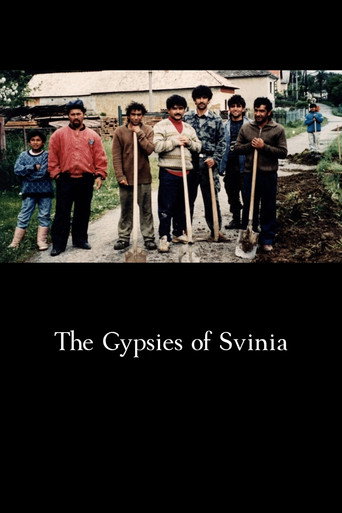
Moved by a sense of outrage, David Scheffel, a Canadian anthropologist, is determined to help the impoverished Roma (Gypsies) rebuild their community in the eastern Slovakian village of Svinia. So-called “white” Svinia is a picturesque, typical Slovak village with well-kept homes, gardens, a store and a school. Some 300 metres past the last home is “black” Svinia, where the Roma live in squalid tenement blocks and one-room huts of sticks and mud-with no clean water or sewage facilities and with little hope of employment. Many Svinians, whose homes and gardens are regularly burglarized by the desperate Roma, have lost all patience and sympathy. Throughout Eastern Europe, the painful transition from communism to democracy has relegated the Roma to the farthest, most grotesque margins of society. The Gypsies of Svinia is a testament to the firm resolve of Scheffel and the Roma to make things better.