

Walkatjurra: Our Actions Will Never Stop
Documentary
Overview
WORLD PREMIERE: It is the 70th anniversary of the first nuclear test in indigenous Australian territory and the aboriginal communities call on activists from all over the world to carry out a 200 km anti-nuclear walk through the desert. Among them, the directors of this documentary join to record this walk, which seeks to end the extraction of uranium, the mineral with which atomic bombs are produced. What attitude will we take as humanity in the face of the possibility of creation and destruction


No cast information.
Similar Movies

60 years ago, in the Algerian desert, an atomic bomb, equivalent to three or even four times Hiroshima, exploded. Named the “Blue Gerboise”, it was the first atomic bomb tested by France, and of hitherto unrivaled power. This 70 kiloton plutonium bomb was launched in the early morning, in the Reggane region, in southern Algeria, during the French colonial era. If this test allowed France to become the 4th nuclear power in the world, it had catastrophic repercussions. France had, at the time, certified that the radiation was well below the standard safety threshold. However, in 2013, declassified files revealed that the level of radioactivity had been much higher than announced, and had been recorded from West Africa to the south of Spain.
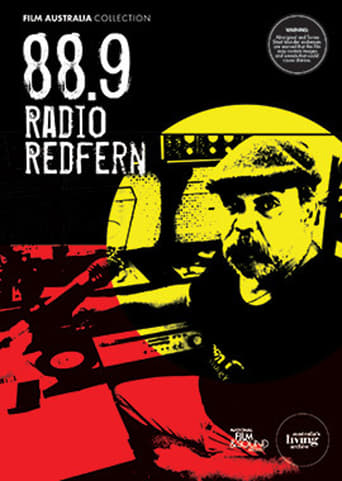
An observational documentary which looks at Sydney’s first community Aboriginal radio station, 88.9 Radio Redfern. Set against a backdrop of contemporary Aboriginal music, 88.9 Radio Redfern offers a special and rare exploration of the people, attitudes and philosophies behind the lead up to a different type of celebration of Australia’s Bicentennial Year. Throughout 1988, 88.9 Radio Redfern became an important focal point for communication and solidarity within the Aboriginal community. The film reveals how urban blacks are adapting social structures such as the mass media to serve their needs.
Are eligible Indigenous bachelors an endangered demographic in the 21st century? That’s the question cheekily posed by Tracey Rigney’s debut documentary short, which invites First Nations individuals to confide what they desire, what holds them back, and their hopes and worries about whether they’ll ever find The One. Endangered first screened at the Melbourne International Film Festival in 2005.
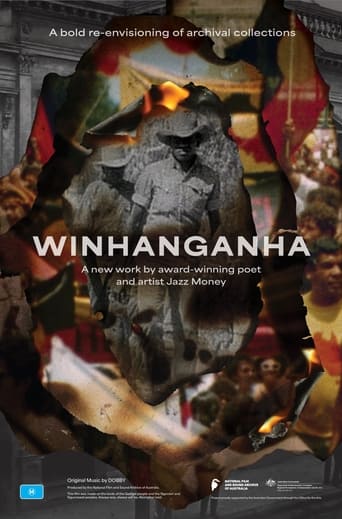
WINHANGANHA (Wiradjuri language: Remember, know, think) - is a lyrical journey of archival footage and sound, poetry and original composition. It is an examination of how archives and the legacies of collection affect First Nations people and wider Australia, told through the lens of acclaimed Wiradjuri artist, Jazz Money.

The story of a Warlpiri woman, Audrey, and her Sicilian partner Santo as they navigate through colonial systems to keep the children they care for together. Audrey Napanangka was born at a time when the world was changing for the people in the Central Australian Desert. Settler colonisation was permeating the desert and forced changes and the fusion of two worlds shifted Audrey’s life forever. Today, Audrey raises young people to walk in many worlds, by centering culture, language, and Law in their lives alongside mainstream education. The intimate footage filmed over 10 years in Mparntwe (Alice Springs), Yuendumu and Audrey’s Warlpiri country Mount Theo, showcases a heartwarming story about the power of kinship and family in what is known as Australia.
Gordon Smith, head of the Collum Collum Aboriginal Co-operative which operates a cattle station in northern New South Wales, and Sunny Bancroft, the station manager, are negotiating with the Aboriginal Development Corporation in Canberra for a loan. Finance is needed to stock the property with breeding cattle so that the station can become financially independent.