

Drama · War
Overview
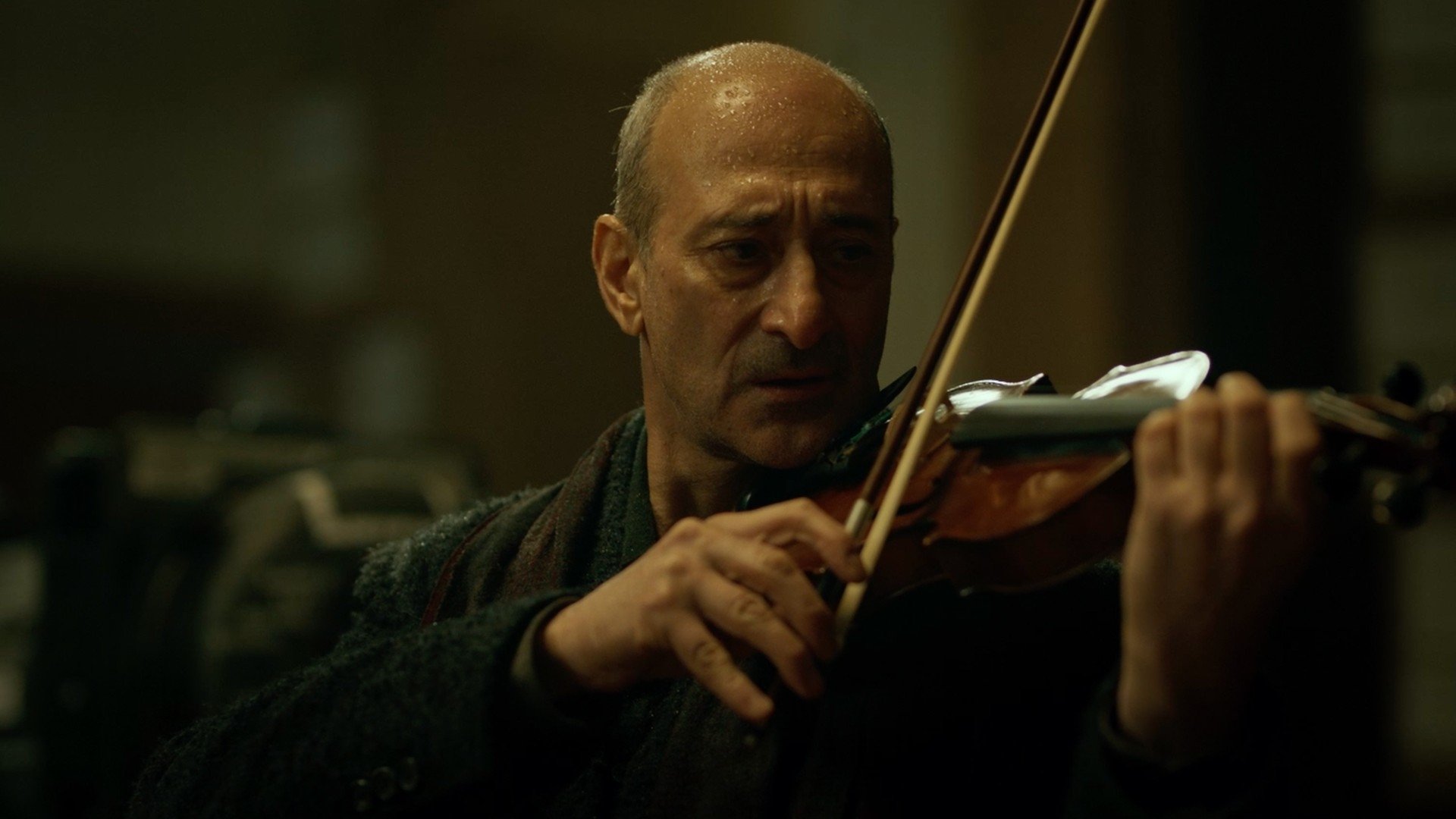
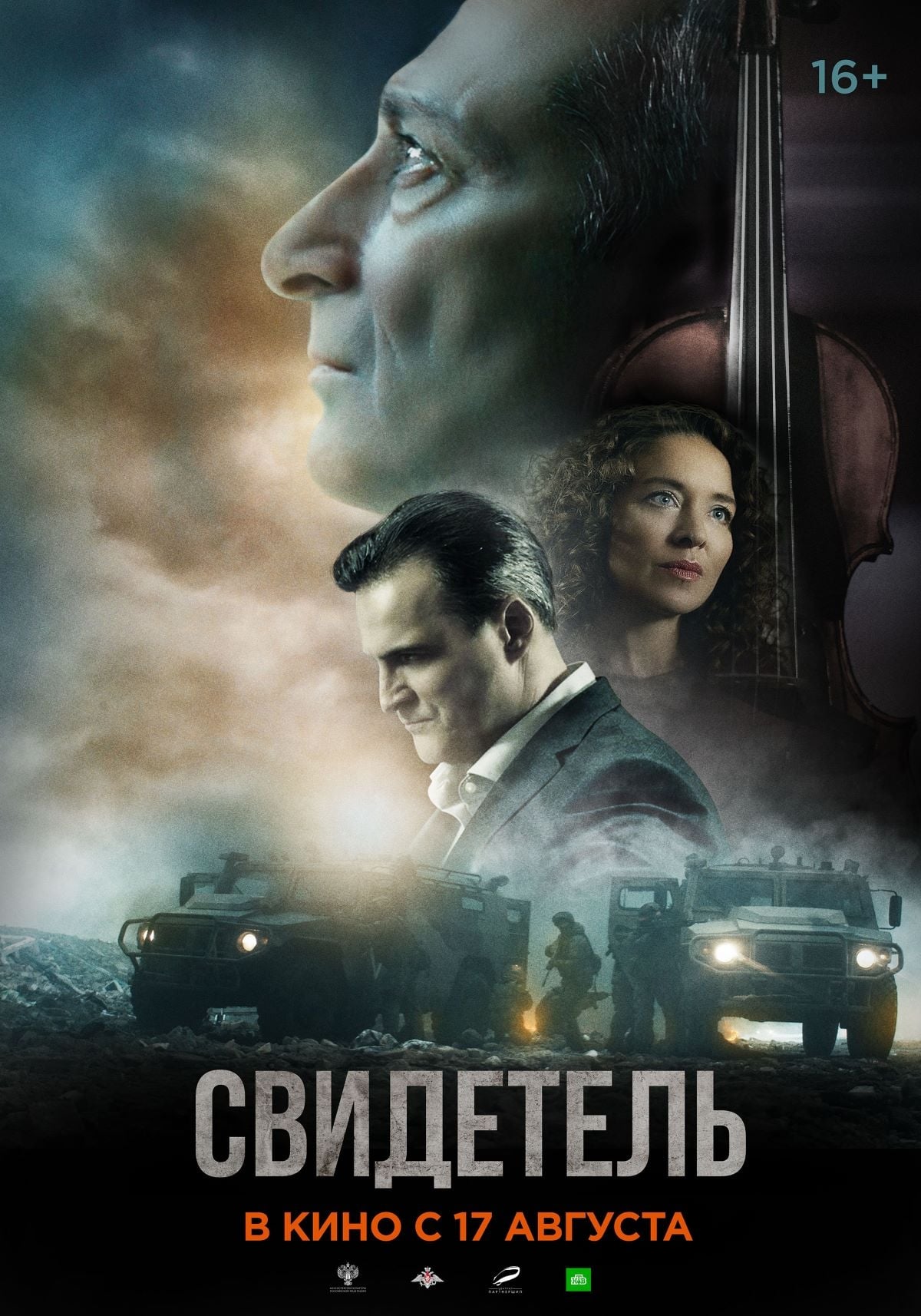
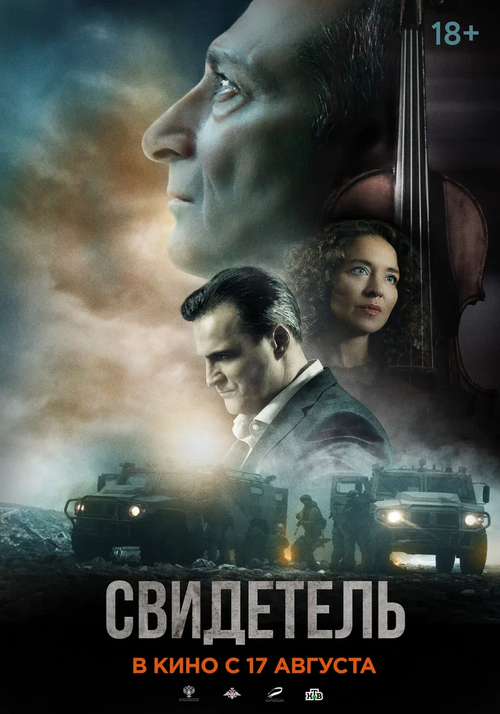
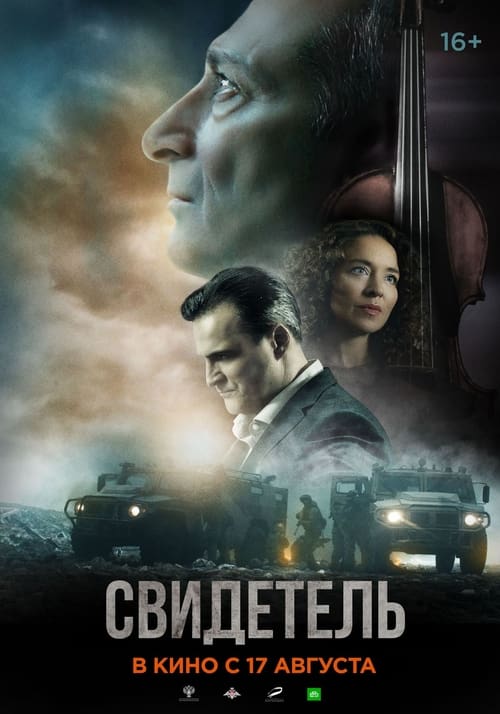
A Russian war propaganda film about a virtuoso violinist from Belgium witnessing war crimes.

Karen Badalov
Karen Badalov
Daniel Cohen
Karen Badalov
Daniel Cohen
Yuliya Afanasyeva
Yuliya Afanasyeva
Yana
Yuliya Afanasyeva
Yana

Aleksandr Dyachenko
Aleksandr Dyachenko
Dmitriy Panchak
Aleksandr Dyachenko
Dmitriy Panchak
Oleg Komarov
Oleg Komarov
Lev Sakhnovetskiy
Oleg Komarov
Lev Sakhnovetskiy
Serafima Nizovskaya
Serafima Nizovskaya
Brigitta Toysberg
Serafima Nizovskaya
Brigitta Toysberg

Dmitriy Blokhin
Dmitriy Blokhin
Golovko
Dmitriy Blokhin
Golovko
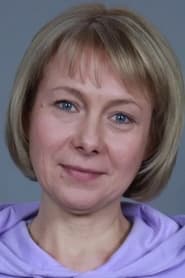
Mariya Bokova
Mariya Bokova
zhenshchina s synom
Mariya Bokova
zhenshchina s synom
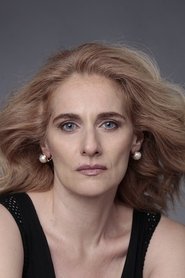
Evrika Allaverdonts
Evrika Allaverdonts
Zhenshchina
Evrika Allaverdonts
Zhenshchina
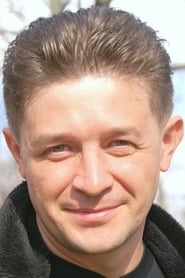
Roman Frolov
Roman Frolov
Voditel
Roman Frolov
Voditel
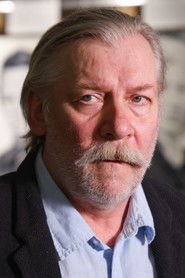
Viktor Rakov
Viktor Rakov
Viktor Rakov
Similar Movies
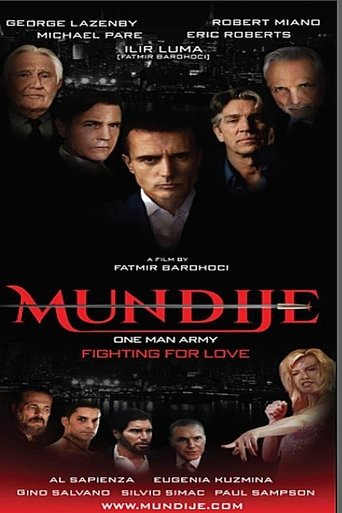
Ilir Luma, a martial arts master specialized in the Pelasgian art of "Mundije", escaped the communist regime, when he was only 14 years old. He'd witnessed the hanging of a poet in the city of Kukes, Albania. In Germany, at a Taekwondo school, he meets Ana, who became his student and his girlfriend. Ilir promised to be there for her, whenever she needs him. Thirty years later, Ana is kidnapped and sent to Mexico. Ilir risks his life to rescue his kidnapped girlfriend, and battles the most dangerous fighters in the world.
Tatiana is forty-two years old and she is a stylist for one of Kyiv’s women’s magazines. She is ironic, self-confident, Tatiana lives in a large house on the suburbs of the Ukrainian capital and she enjoys the freedom that her recent divorce gave her. Her quite successful life is interrupted by the outbreak of the war. Friends and acquaintances come to her house, including her ex-husband and colleague who has a crush on her. Together, they watch how Russia destroys their city. After a few days, almost everyone tries to get out of Kyiv and persuades Tatiana to follow. But she can’t make up her mind.
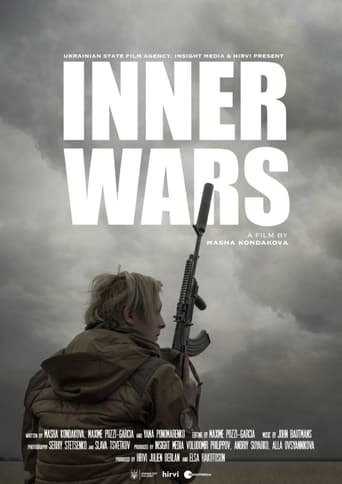
Since the uprising of a pro Russian insurgency in eastern Ukraine in 2014, hundreds of women joined the army. Only a few made it to the front line. Filmmaker Masha embeds herself in the war zone to follow the daily life of three of them. By sharing the intimacy of these fighters, Masha soon becomes a victim of this brotherhood conflict jeopardizing this film and her life.
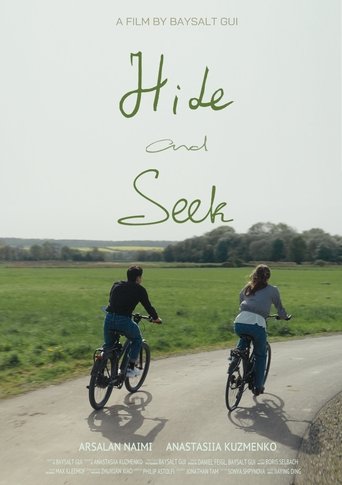
This documentary follows two long-lost Ukrainian friends, Arsalan and Nastya, as they reconnect in Germany after russia's full-scale invasion against Ukraine. Arsalan, an actor now in Frankfurt after time in a refugee camp, and Nastya, journalist and producer who stayed in Kyiv, reflect on the divergent paths their lives have taken due to the war. Through their conversations and therapy sessions, the film explores themes of displacement, identity, and the emotional impact of war on youth.

Five young Ukrainians discuss life following the Maidan Revolution of 2014. Not all fought in the Russian-Ukrainian war, but it, regardless, shattered their life plans. Representing 'Generation Maidan', they face the question of how to cope with experiences of violence, how to go on. A local theatre director produces Hamlet, wherein they can use Shakespeare’s tragic character as a mirror and face their traumas onstage. For them, 'to be or not to be' is not simply text but an existential dilemma with no clear answer.
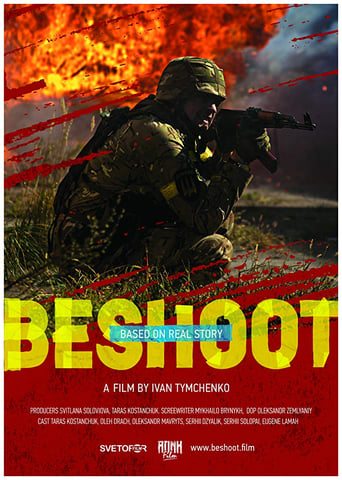
Based on a true story. Two fighters of 'Donbas' Volunteer Battalion get locked inside city of Ilovaysk after regular Russian army enters Ukraine and shells the surrounded divisions of Ukrainian Army in the infamous would-be 'green corridor'. The fighters survive thanks to the help of the locals and manage to break out through the front line to reach the freed territory. Taras Kostanchuk who is playing himself as 'Beshoot' is that same Donbas commander who is the prototype of the story. Half of the actors and extras are real 'Donbas' volunteers who survived the battle.
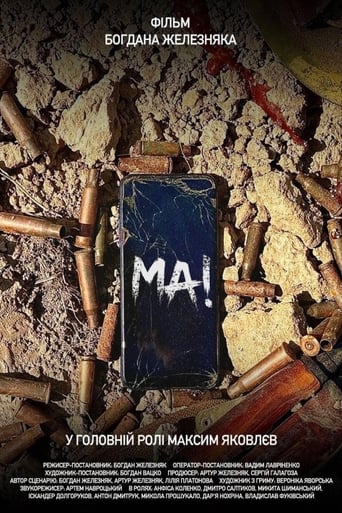
Two mirror situations: telephone conversation of a Russian soldier with his mother, and a soldier of the Armed Forces of Ukraine, who also communicates with his own, during the Russian military aggression. Why is there such a huge gulf between our people and their people? Perhaps the answer to this question lies in the difference in relationship with mothers.