

History of Pottery and Ceramics in Algeria
Documentary
Overview
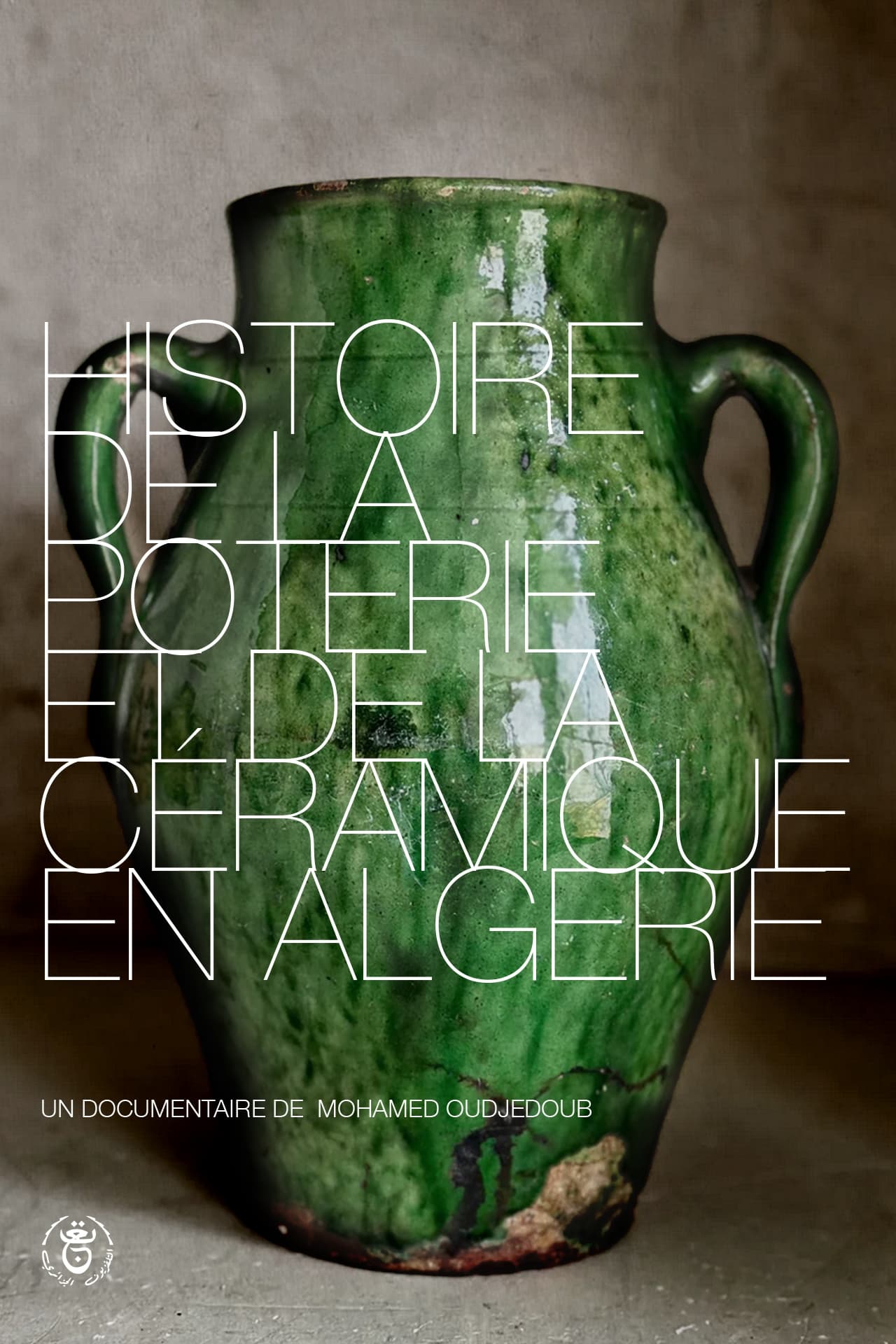
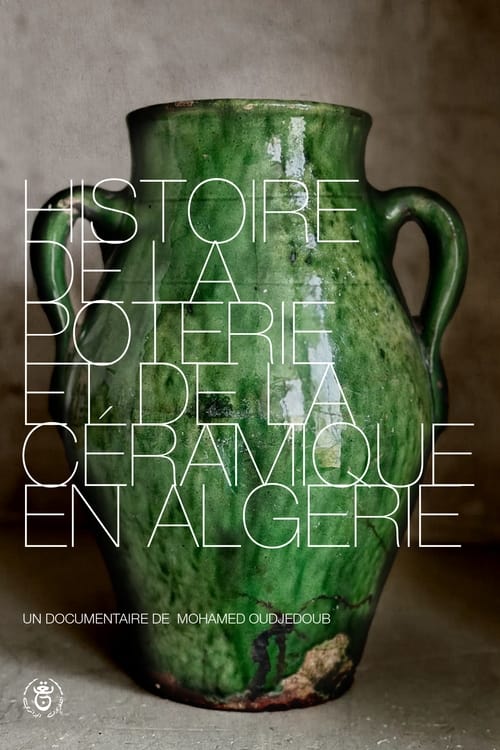
In Algeria, pottery is different from one region to another, the result of the various influences it has undergone throughout history. If the manufacturing steps are substantially the same, the result is far from identical. In Kabylia, for example, the pottery, decorated with patterns, is red in color. In the south of Adrar, there are objects with rather original shapes and black in color. The pottery of the Nementcha Mountains is fashioned in clay with pink tones and decorated with brown designs. Originally, objects were made in families and exchanged between neighbours...
Top Cast




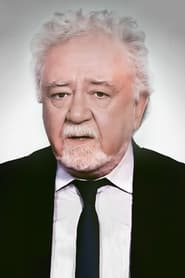
Slimane Hachi
Slimane Hachi
Self
Slimane Hachi
Self
Similar Movies

This short documentary depicts the search, discovery and authentication of the only known Norse settlement in North America - Vinland the Good. Mentioned in Icelandic manuscripts and speculated about for over two centuries, Vinland is known as "the place where the wild grapes grow" and was thought to be on the eastern coast between Virginia and Newfoundland. In 1960 a curious group of house mounds was uncovered at l'Anse aux Meadows in northern Newfoundland by Drs. Helge Ingstad and Anne Stine Ingstad of Norway. Added to the United Nations World Heritage List, l'Anse aux Meadows is considered one of the most important archaeological sites in the world.
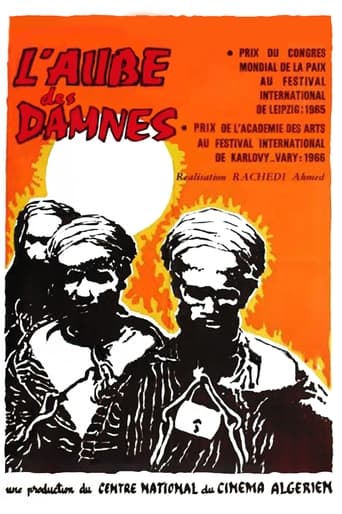
This excellent feature-length documentary - the story of the imperialist colonization of Africa - is a film about death. Its most shocking sequences derive from the captured French film archives in Algeria containing - unbelievably - masses of French-shot documentary footage of their tortures, massacres and executions of Algerians. The real death of children, passers-by, resistance fighters, one after the other, becomes unbearable. Rather than be blatant propaganda, the film convinces entirely by its visual evidence, constituting an object lesson for revolutionary cinema.
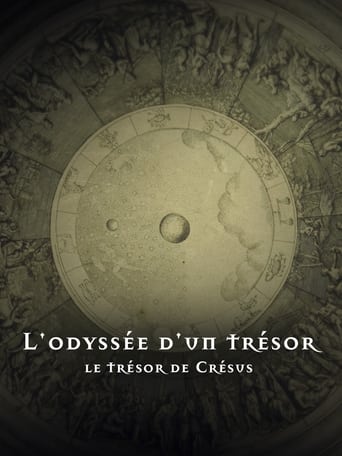
From the plains of the Troade, to the cellars of a Nazi bunker, to the dark basements of Moscow's largest museum. With Homer and in the footsteps of the extremely wealthy businessman Heinrich Schliemann, we follow the true odyssey of the treasure of Priam which spans over more than 3 millennia.

The exceptional portrait of a pacifist general, the only senior officer to have spoken out against torture. This precious testimony still remains censored in France, since no national channel has to date decided to program this documentary. Son and brother of a soldier, General Pâris de Bollardière was destined for a career in arms. He was, for many years, one of the most brilliant representatives of this adventurer career in France, from Narvik to the Algerian War. After fighting in the French maquis, he reached Indochina, where he suddenly found himself in the aggressor's camps. His beliefs are strongly shaken. But it is in Algeria, where the French army practices torture and summary executions, that he takes the big turn. He expresses his contempt to Massu, and is relieved of his command. Until his death in 1986, Jacques de Bollardière fought for world peace, from the Larzac plateaus to the Mururoa atolls.
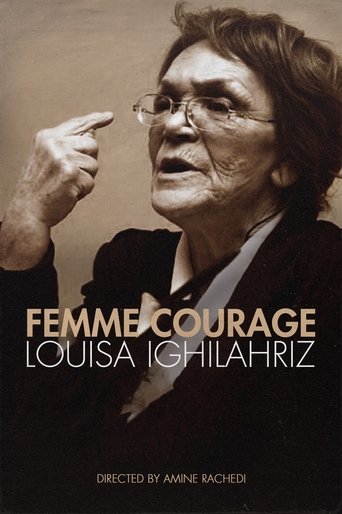
The autobiographical account of the tormented life of a witness of the century: Louisa Ighilahriz, activist and leading figure in Algerian independence. A student, she joined the independence struggle at the age of 20, joining the ranks of the FLN on the eve of the Battle of Algiers in late 1956 under the name Lila. She took part in the high school students' strike, then fled into the maquis when she was actively sought after. She was part of the French FLN support network of "suitcase carriers" during the Battle of Algiers. Seriously wounded alongside her network leader, Saïd Bakel, during an ambush in 1957, hospitalized and then imprisoned, she suffered numerous tortures in French prisons. She will be saved from certain death by an anonymous person, she will seek, for forty years, to find him just to show him her gratitude... Emblematic of the painful Franco-Algerian history, Louisa's story is poignant and imbued with humanism.
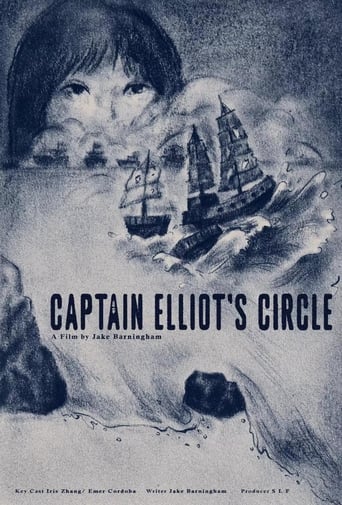
Equal parts documentary, essay, and narrative,"Captain Elliot's Circle" is mostly a poetic interaction with an obscure corner of Chinese and British history. Constructed using primary source documents about the taking of Zhoushan, Britain's first choice for a seaport, in the late 1830s,this movie uses Captain Charles Elliot's reluctance to brutalize the Chinese to reflect on the cyclical nature of history and the power structures that move it. The long takes used throughout function to illustrate the dramatically different ways in which people who lived in the mid-19th century perceived time. Additionally, it represents the psychological effect of living on an island regardless of what era you were born in.The last third of the movie focuses on a young woman whose strange day job has taken her far away from the island of Zhoushan generations after Captain Charles Elliot was last there. "Captain Elliot's Circle" was shot on location in Zhoushan and Hangzhou.