

Cinéma Laika
Documentary
Overview
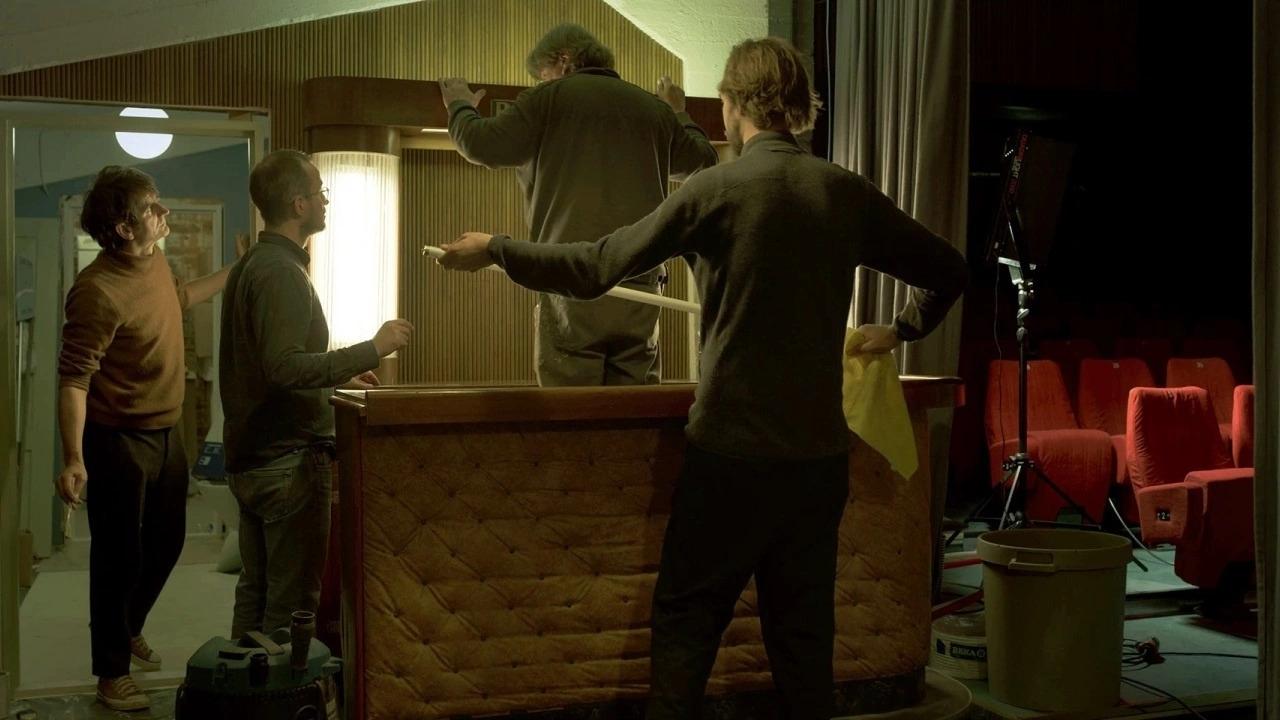
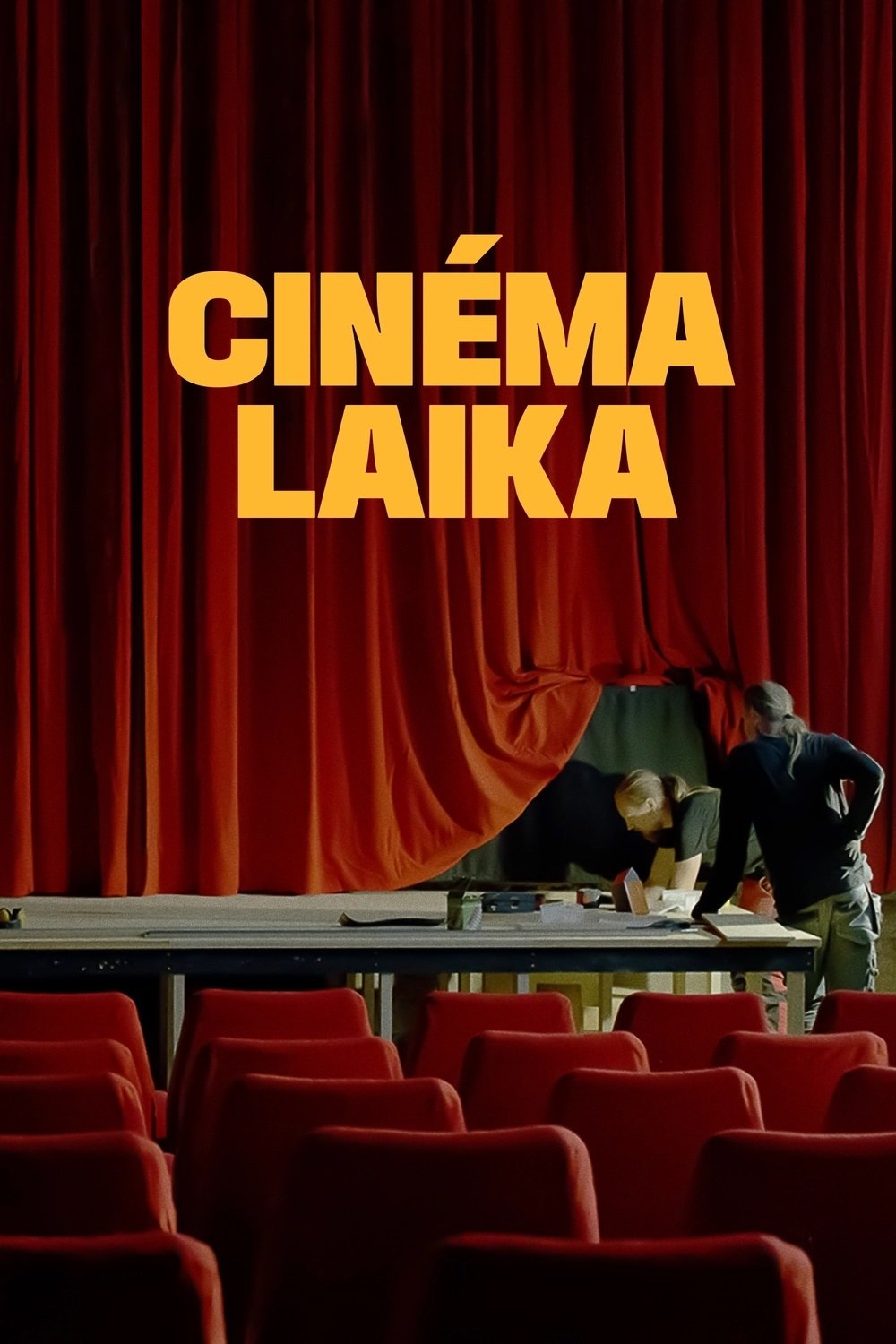
In the heart of the Finnish forest, the long-closed foundry of the little town of Karkkila has come back to life thanks to director Aki Kaurismäki and his creation of the town's first cinema. The peace and calm of the little town of Karkkila, nestled deep in the Finnish forest, is interrupted by unexpected sounds. In the abandoned foundry, noisy building work is taking place. Inside the building, Aki Kaurismäki is both builder and site manager of what is soon to become the Kino Laika cinema. The creation of the cinema is the talk of the town. In the factory still in activity, in a 1960s Cadillac, in a bikers' club, in the local pub, in the woods or in Aki Kaurismäki's former editing room, people start talking about cinema again.



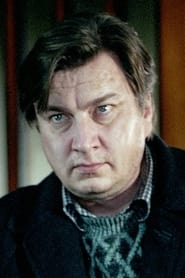
Aki Kaurismäki
Aki Kaurismäki
Self
Aki Kaurismäki
Self
Anna Karjalainen
Anna Karjalainen
Self
Anna Karjalainen
Self

Kaisa Karjalainen
Kaisa Karjalainen
Self
Kaisa Karjalainen
Self
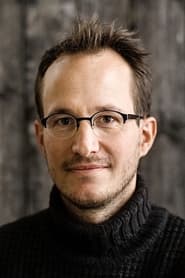
Juho Kuosmanen
Juho Kuosmanen
Self
Juho Kuosmanen
Self

Mikko Myllylahti
Mikko Myllylahti
Self
Mikko Myllylahti
Self
Herra Ylppö
Herra Ylppö
Self
Herra Ylppö
Self

Nuppu Koivu
Nuppu Koivu
Self
Nuppu Koivu
Self

Simon Al-Bazoon
Simon Al-Bazoon
Self
Simon Al-Bazoon
Self
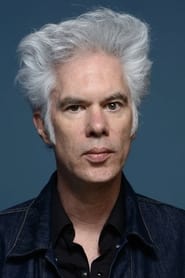
Jim Jarmusch
Jim Jarmusch
Self
Jim Jarmusch
Self
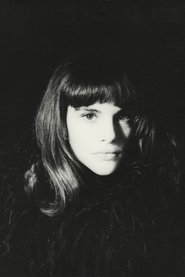
Amy Taubin
Amy Taubin
Self
Amy Taubin
Self
Similar Movies
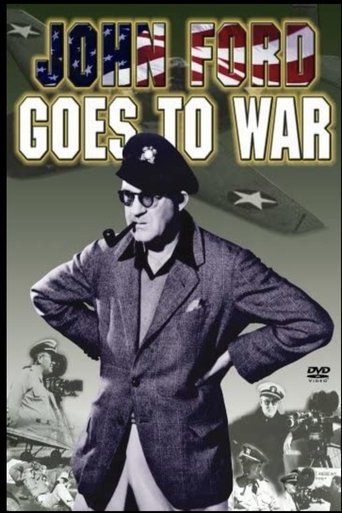
When World War II broke out, John Ford, in his forties, commissioned in the Naval Reserve, was put in charge of the Field Photographic Unit by Bill Donavan, director of the soon-to-be-OSS. During the war, Field Photo made at least 87 documentaries, many with Ford's signature attention to heroism and loss, and many from the point of view of the fighting soldier and sailor. Talking heads discuss Ford's life and personality, the ways that the war gave him fulfillment, and the ways that his war films embodied the same values and conflicts that his Hollywood films did. Among the films profiled are "Battle of Midway," "Torpedo Squadron," "Sexual Hygiene," and "December 7."
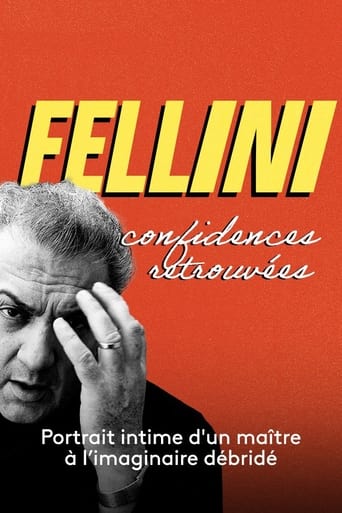
Federico Fellini died on October 31st, 1993. Thirty years later, he is still considered as one of the most irreverant moviemaker in the history of cinema. Through a long-previously-unseen interview, directed by Jean-Christophe Rosé in 1981, through extracts of his films and through behind-the-scenes, this documentary draws an intimate portrait of Fellini by himself.
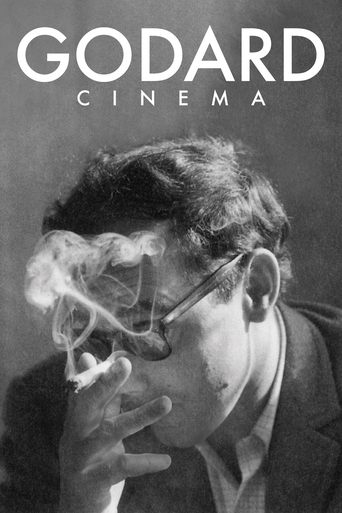
Jean-Luc Godard is synonymous with cinema. With the release of Breathless in 1960, he established himself overnight as a cinematic rebel and symbol for the era's progressive and anti-war youth. Sixty-two years and 140 films later, Godard is among the most renowned artists of all time, taught in every film school yet still shrouded in mystery. One of the founders of the French New Wave, political agitator, revolutionary misanthrope, film theorist and critic, the list of his descriptors goes on and on. Godard Cinema offers an opportunity for film lovers to look back at his career and the subjects and themes that obsessed him, while paying tribute to the ineffable essence of the most revered French director of all time.