


Atención! Murderer Next Door
Documentary
Overview
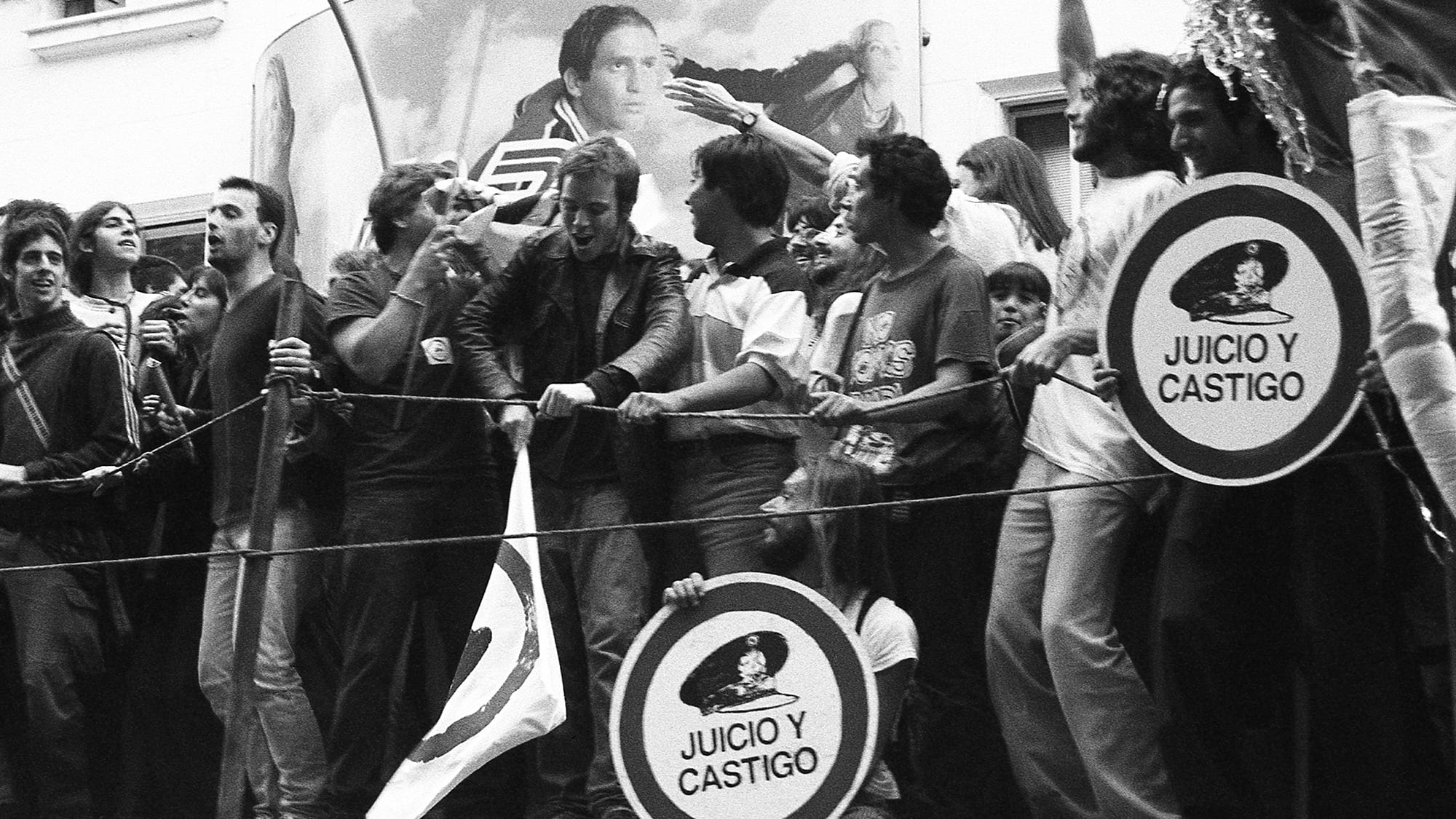
Faced with a lack of prosecution of those accused of crimes against humanity committed during Argentina’s military dictatorship, family members and descendants of the country’s estimated 30,000 disappeared took action. In the mid-1990s, they began gathering outside of accused perpetrators’ homes and workplaces to publicly shame them and raise awareness about the government’s systematic and brutal targeting of its people — and how it had gone unpunished. The human rights group HIJOS (Sons and Daughters for Identity and Justice Against Forgetfulness and Silence) led and labeled this direct-action style of protest “escrache,” or exposure.
Top Cast









Camilo Juarez Pais
Camilo Juarez Pais
Himself
Camilo Juarez Pais
Himself
Similar Movies

Amid the civil-military dictatorship implanted with the 1964 coup, Sergio Muniz had the idea of making a documentary about the action of the Death Squad. At the time, the press still had some freedom to disseminate the work of these death squads formed by police officers of various ranks, and that he acted on the outskirts of cities like Sao Paulo and Rio de Janeiro. The victims of police repression (as today) were men, poor and black, and this condition is supposed criminals.
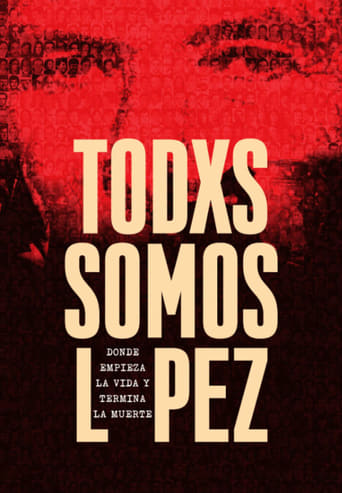
A chronicle on the days without Jorge Julio López, key witness and complainant on the first trial on genocide in Argentina, dated in 2006. López, who had survived through concentration camps on the late seventies argentinian dictatorship, disappeared for the second time the day the court decision meant to condemn his kidnappers was about to be read.
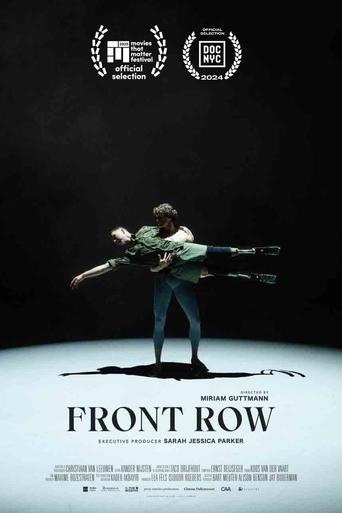
Bertolt Brecht asked whether there would be singing in the dark times. In the throes of war, the United Ukrainian Ballet Company defiantly insists there will be dancing, too. Far from the land they call home, young dancers take quiet comfort from art. For a while, their work feels like the old days, except there is a new troupe member: a soldier learning to dance with prosthetic legs.
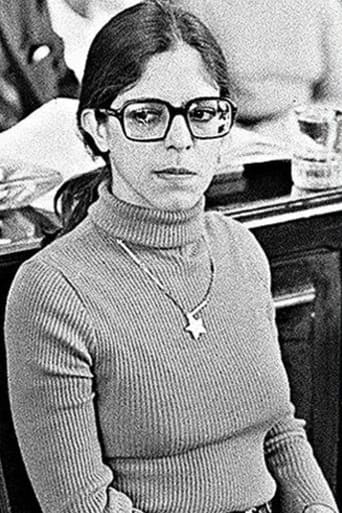
August 29, 1979, Talavera Bruce Penal Institute, Bangu, Rio de Janeiro. After serving eight years in prison, Inês Etienne Romeu, the only survivor of the "House of Death" in Petrópolis and the first political prisoner sentenced to life in prison in Brazil, left prison benefiting from Amnesty. Norma Bengell filmed this moment: from the prison door to her home with her family, Inês was welcomed by family, friends and members of the Brazilian Amnesty Committee, in what marked the first act of the historic denunciation that Inês would carry out against her tormentors and the Military Regime.
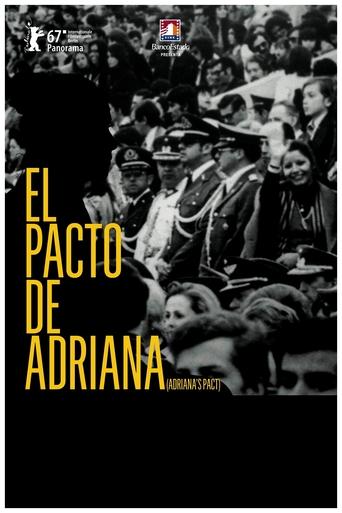
Lissette's favorite aunt Adriana, who lives in Australia, is arrested in 2007 while visiting her family in Chile and accused of having worked for dictator Pinochet's notorious secret police, the DINA, and of having participated in the commission of state crimes. When Adriana denies these accusations, Lissette begins to investigate her story in order to film a documentary about her.

In January 1972, during General Lanusse's dictatorship in Argentina, a group of revolutionary activists occupied the National Development Bank, just meters from the Government House, expropriating 450 million pesos (approximately 10 million dollars today) for their cause. This was made possible by Oscar Serrano and Ángel Abus—activists and bank employees—who spent two years preparing what would become the biggest blow to the dictatorship's finances. Forty years later, Oscar and Ángel, along with a group of actors, recreate those events that changed their lives. In this dialogue between generations, the young people transform their perspective on activism and commitment during those years. Narrated through several cinematic layers, Seré Millones (I Will Be Millions) offers an innovative story that blends humor, rigorous historical research, and the epic spirit of the era.