

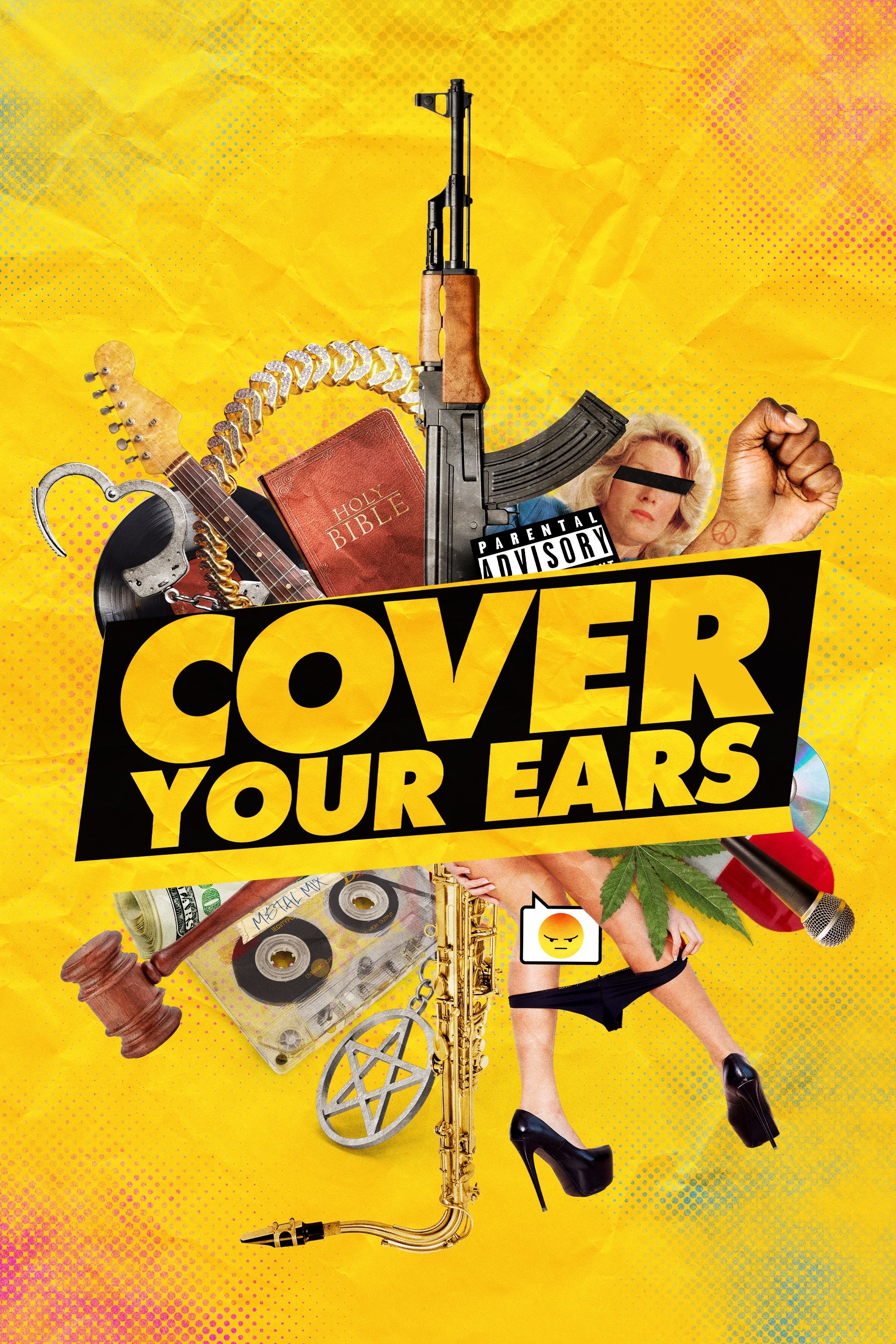
Cover Your Ears
Documentary
Overview
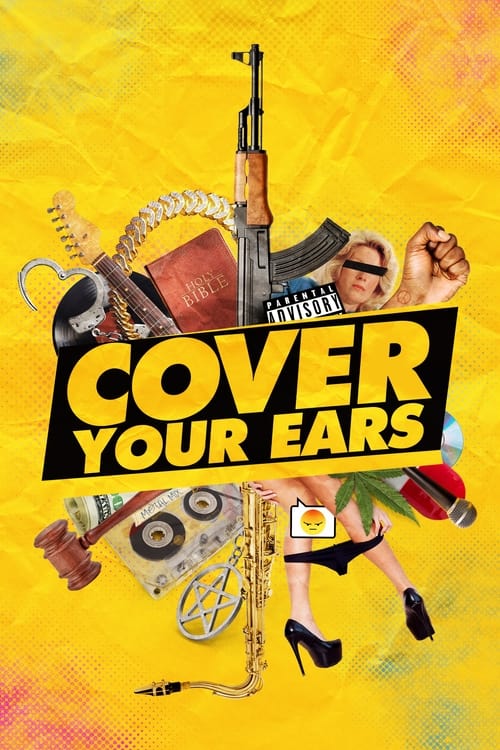
When does art become obscenity? Cover Your Ears takes a close look at this question through the lens of the past 100 years of music and the ever-evolving discussion of legal and moral lines in the industry

![[Stray Kids: Festival Docuseries]](https://image.tmdb.org/t/p/w342/k0Rcry5Li1gyS5yTTJUuXG2TGbL.jpg)
Murray Acton
Murray Acton
Self
Murray Acton
Self
Steve Appleford
Steve Appleford
Self
Steve Appleford
Self
Wes Beech
Wes Beech
Self
Wes Beech
Self
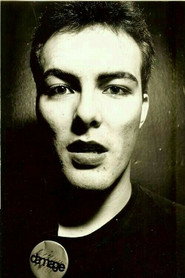
Jello Biafra
Jello Biafra
Self
Jello Biafra
Self
Bill Brioux
Bill Brioux
Self
Bill Brioux
Self
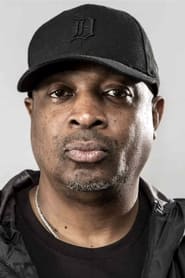
Chuck D
Chuck D
Self
Chuck D
Self
Alan Cross
Alan Cross
Self
Alan Cross
Self
Stephanie Doktor
Stephanie Doktor
Self
Stephanie Doktor
Self
Brandon Duncan
Brandon Duncan
Self
Brandon Duncan
Self
Richard Evans
Richard Evans
Self
Richard Evans
Self
Similar Movies
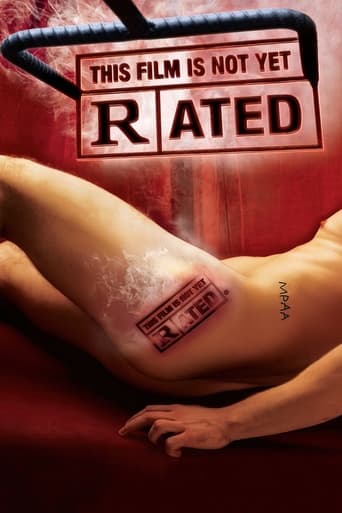
Kirby Dick's provocative documentary investigates the secretive and inconsistent process by which the Motion Picture Association of America (MPAA) rates films, revealing the organization's underhanded efforts to control culture. Dick questions whether certain studios get preferential treatment and exposes the discrepancies in how the MPAA views sex and violence.
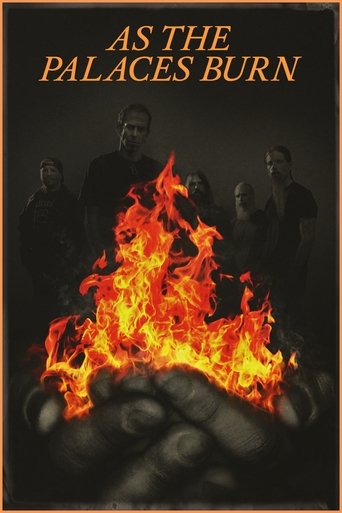
As the Palaces Burn is a feature-length documentary that originally sought to follow Lamb of God and their fans throughout the world, to demonstrate how music ties us together when we can’t find any other common bond. However, during the filming process in 2012, the story abruptly took a dramatic turn when lead singer Randy Blythe was arrested on charges of manslaughter and blamed for the death of one of their young fans in the Czech Republic. What followed was a heart-wrenching courtroom drama that left fans, friends, and curious onlookers around the world on the edge of their seats.
A short documentary exploring the theatrical release of Just Jaeckin's Emmanuelle (1974) in Ontario, Canada, at the time of a major shift in its provincial film censorship regime. What followed was a new era in the Ontario government's uneasy dance with film, a debate over art and morality — not only about sex on screen, but about who gets to decide what is too much, too far, or too French.
In "Diana: The Mourning After" Christopher Hitchens sets out to examine the bogusness of "a nation's grief", tries to uncover the few voices of sanity that cut against the grain of contrived hysteria. His findings suggested that the collective hordes of emotive Dianaphiles sobbing in the streets were not only encouraged but emulated by the media. In the aftermath of Diana's death a three-line whip was enforced on newspapers and on TV, selling the sainthood line wholesale. The suspicion was that journalists, like the public, greeted the death as a chance to wax emotional in print, as a change from the customary knowing cynicism, to wheel out all those portentous phrases they'd been saving up for the big occasion. Sadly, they just seemed to be showboating; the eulogies, laments and tear-soaked platitudes ringing risibly hollow.
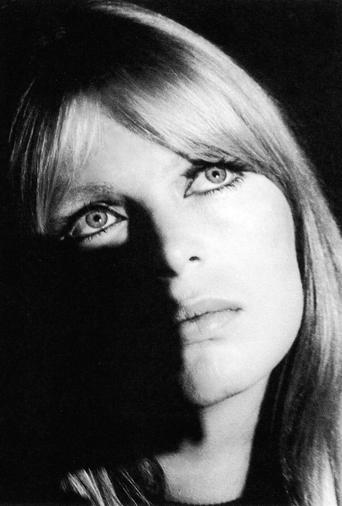
"Not a documentary but the the ruins of an attempted documentary." - Grashina Gabelmann Nico’s solo concert in West Berlin 1986. She’s high, giggly, not entirely there but her voice is still haunting and raspy and her presence still the one of a star. We see short clips of an interview held the same year in a hotel – an interview Gaul found somewhere, where he can not remember. We see footage borrowed from Andy Warhol’s estate. Footage of factory parties and screen tests.