

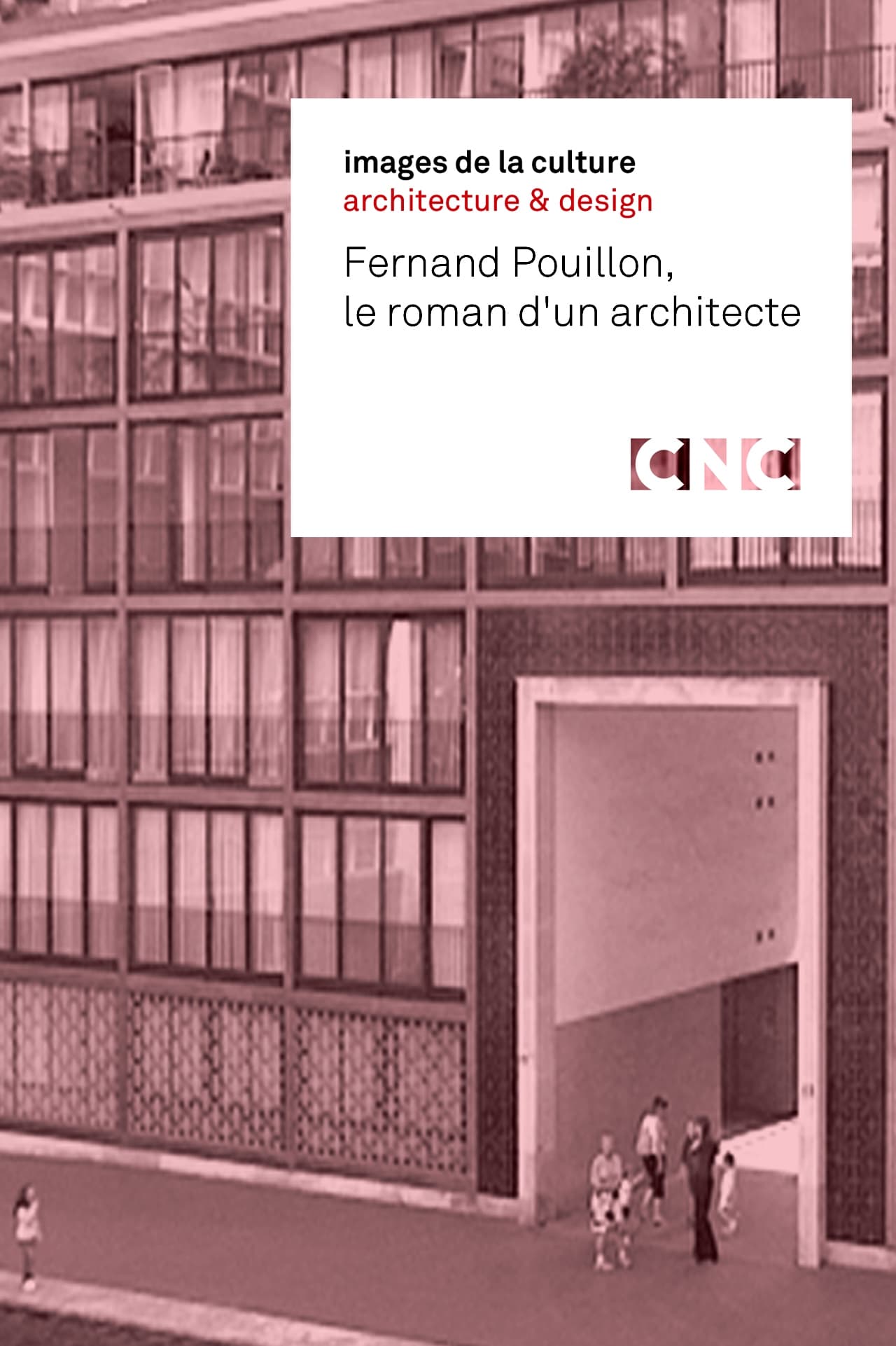
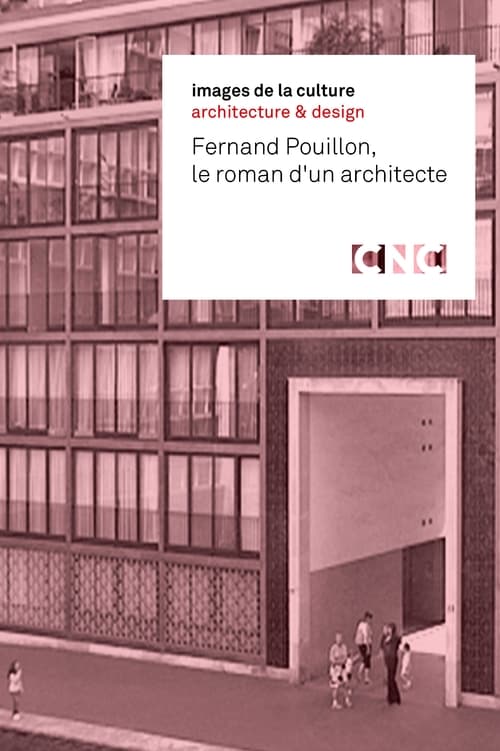
Fernand Pouillon, Le roman d'un architecte
Documentary
Overview
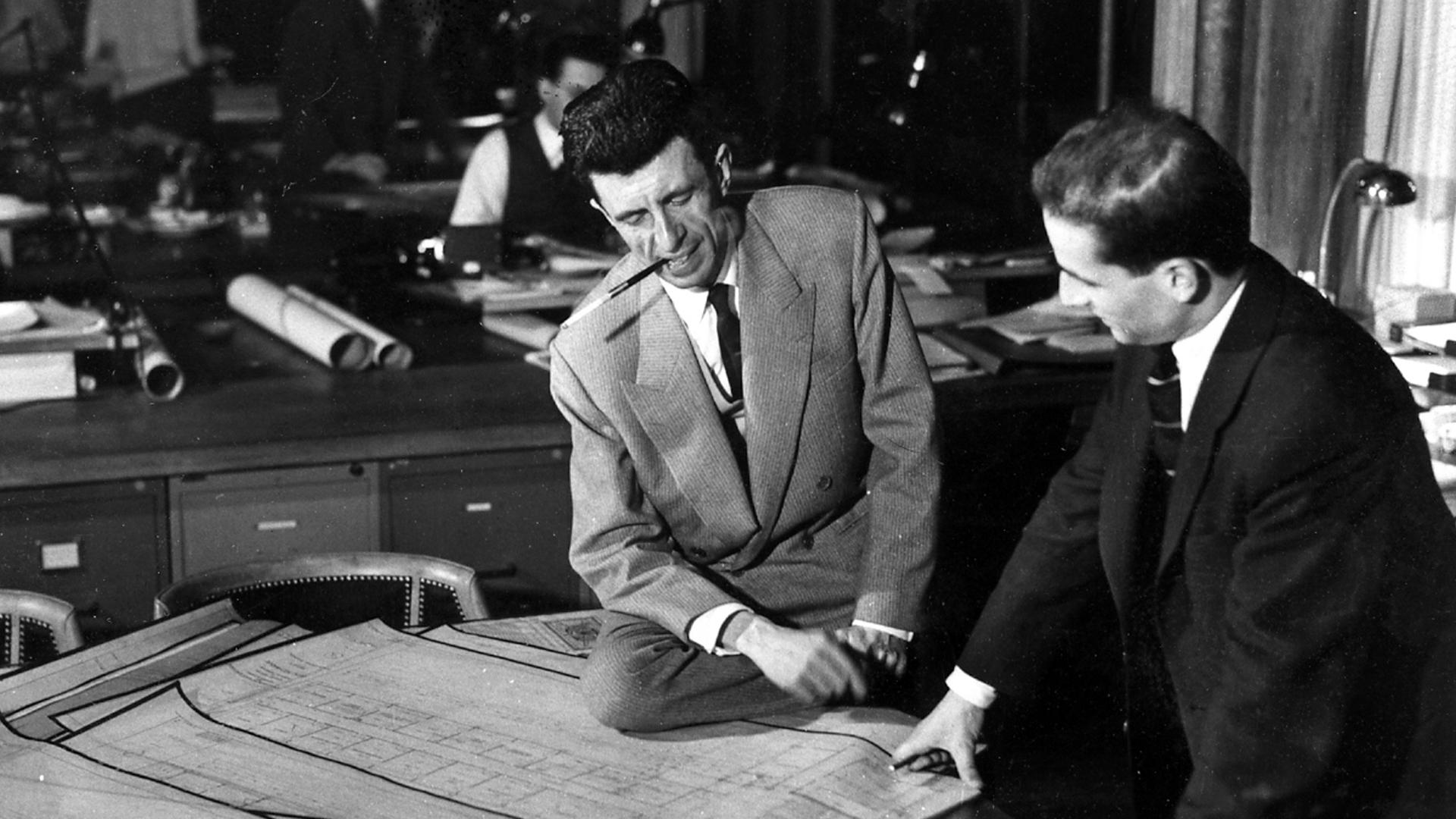
Constructing freestone buildings on the cheap, Pouillon made a name for himself at the end of the 1940s in Aix-en-Provence and Marseille, shaking up his peers who only dreamed of towers and concrete bars. In Algiers, until Independence, he built in record time thousands of homes for the poorest, real urban projects inspired by traditional forms. In the Paris region, to build comfortable buildings quickly and well, nestled in the greenery, he becomes a promoter: this too adventurous bet leads him to prison and retains his reputation. Not very explicit about this complex affair, but seduced by a contemporary architecture that combines technical inventiveness and ancient references, Christian Meunier films by multiplying the angles of view. Today's lively atmospheres are interspersed with archive footage, while Pouillon's writings are read off. Moved, his collaborators evoke a demanding and generous man, with an infectious passion.

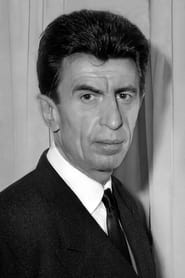
Fernand Pouillon
Fernand Pouillon
Self (archive footage)
Fernand Pouillon
Self (archive footage)
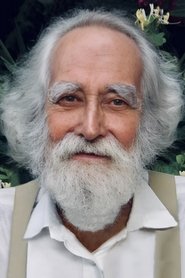
Jean-Jacques Deluz
Jean-Jacques Deluz
Architect
Jean-Jacques Deluz
Architect
Rachid Fehri
Rachid Fehri
Self
Rachid Fehri
Self
Jean Lucien Bonillo
Jean Lucien Bonillo
Architect
Jean Lucien Bonillo
Architect
Jean-Pierre Siame
Jean-Pierre Siame
Architect
Jean-Pierre Siame
Architect
Jean-Marie Chevallier
Jean-Marie Chevallier
Self
Jean-Marie Chevallier
Self
Jean Chenivesse
Jean Chenivesse
Self
Jean Chenivesse
Self
Jacques Chanaud
Jacques Chanaud
Self
Jacques Chanaud
Self
François Chaslin
François Chaslin
Self
François Chaslin
Self
Jean-François Susini
Jean-François Susini
Self
Jean-François Susini
Self
Similar Movies
Unlike any art movie you've ever seen, Making it in Manhattan is informed 'entertainment' about the people who make contemporary art. Artists, collectors, and dealers bring to life the art capital of the world, New York, as it plunges into the 21st Century. Presenting a cross-section of artists, the film discusses inspiration, aesthetics, and the meaning of success. With Louise Bourgeois, Brice Marden, Chuck Close, Neil Jenney, Elizabeth Murray, Ashley Bickerton, Gary Simmons, Ursula von Rydingsvard, Rirkrit Tiravanija, St. Clair Cemin, Ivan Karp, Jay Gorney, Matthew Marks, Jerry Saltz, Herb & Dorothy Vogel, and others. From abstraction to figuration, from installation to conceptual art, from the privacy of the doctor's office to the posh gallery opening, Making it in Manhattan captures the reality of a special world. Music by Tom Waits, Don Braden Ryuichi Sakamoto, George van Eps, Piero Umiliani with Chet Baker.
Tattooing — "the world's oldest skin game" — is the subject of this iconic documentary. Writer/director Geoff Steven scored a major coup by signing Easy Rider legend Peter Fonda as his presenter. Travelling to Aotearoa, Samoa, Japan and the United States, the doco traces key developments in tattooing, including its importance in the Pacific, prison-inspired styles, and the influence of 1960s counterculture. Legendary tattooists feature (including Americans Ed Hardy and Jack Rudy), while the closing credits parade some eye-opening full body tattoos.

Taking its lead from French artists like Renoir and Monet, the American impressionist movement followed its own path which over a forty-year period reveals as much about America as a nation as it does about its art as a creative power-house. It’s a story closely tied to a love of gardens and a desire to preserve nature in a rapidly urbanizing nation. Travelling to studios, gardens and iconic locations throughout the United States, UK and France, this mesmerising film is a feast for the eyes. The Artist’s Garden: American Impressionism features the sell-out exhibition The Artist’s Garden: American Impressionism and the Garden Movement, 1887–1920 that began at the Pennsylvania Academy of the Fine Arts and ended at the Florence Griswold Museum, Old Lyme, Connecticut.
Between 1979 and 1987, a far-left group wreaked havoc across France. Robberies, bombings, assassinations. They struck hard and disappeared in a cloud of explosives, leaflets scattered in the wind, and relentless ideological demands. Their name? Action Directe. More than 80 attacks, 26 wounded, and 12 dead in less than ten years. Stunned French citizens discovered posters plastered everywhere showing portraits of these young women and men who looked like everyone else and whom nothing seemed to be able to stop. A long and intense manhunt began, culminating in the arrest of the group's leadership.
“La Zerda and the songs of oblivion” (1982) is one of only two films made by the Algerian novelist Assia Djebar, with “La Nouba des femmes du mont Chenoua” (1977). Powerful poetic essay based on archives, in which Assia Djebar – in collaboration with the poet Malek Alloula and the composer Ahmed Essyad – deconstructs the French colonial propaganda of the Pathé-Gaumont newsreels from 1912 to 1942, to reveal the signs of revolt among the subjugated North African population. Through the reassembly of these propaganda images, Djebar recovers the history of the Zerda ceremonies, suggesting that the power and mysticism of this tradition were obliterated and erased by the predatory voyeurism of the colonial gaze. This very gaze is thus subverted and a hidden tradition of resistance and struggle is revealed, against any exoticizing and orientalist temptation.
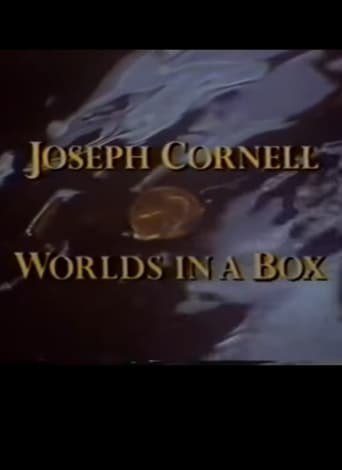
This is a 1991 documentary film about the legendary artist and filmmaker, Joseph Cornell, who made those magnificent and strange collage boxes. He was also one of our great experimental filmmakers and once apparently made Salvador Dali extremely jealous at a screening of his masterpiece, Rose Hobart. In this film we get to hear people like Susan Sontag, Stan Brakhage, and Tony Curtis talk about their friendships with the artist. It turns out that Curtis was quite a collector and he seemed to have a very deep understanding of what Cornell was doing in his work.
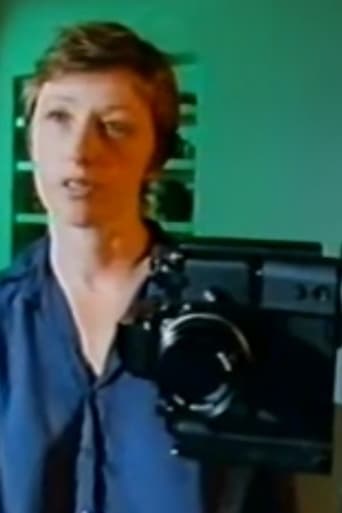
New York based artist, Cindy Sherman, is famous for her photographs of women in which she is not only the photographer, but also the subject. She has contributed her own footage to the programme by recording her studio and herself at work with her Hi-8 video camera. It reveals a range of unexpected sources from visceral horror to medical catalogues and exploitation movies, and explores her real interests and enthusiasms. She shows an intuitive and often humorous approach to her work, and reflects on the themes of her work since the late 1970s. She talks about her pivotal series known as the `Sex Pictures' in which she addresses the theme of sexuality in the light of AIDS and the arts censorship debate in the United States.