

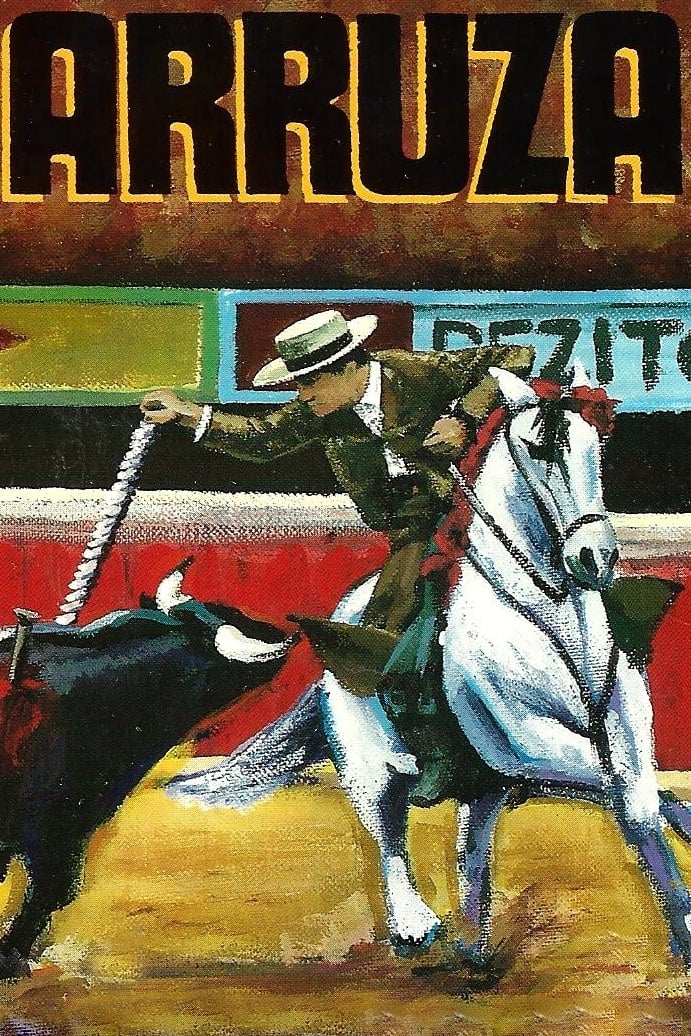
Arruza
Documentary
Overview
Eight years in the making, Boetticher’s portrait of his longtime friend, the famous bullfighter Carlos Arruza, was a labor of love that the renowned director of westerns pursued despite contending with illnesses, bankruptcy, jail time, and lucrative offers from Hollywood. The result is an astonishing work of poetry, immediacy, and violence that fearlessly wrestles with the filmmaker’s own ambivalence about the titular matador’s triumphs prior to his death by automobile accident at the age of 46.


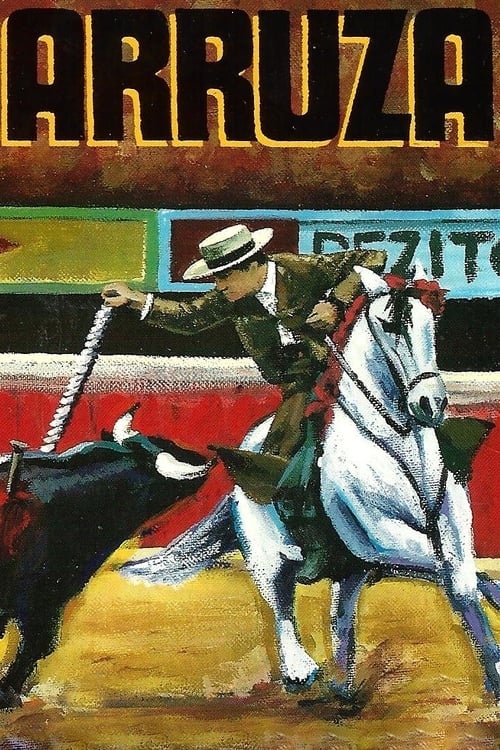
Carlos Arruza
Carlos Arruza
Himself
Carlos Arruza
Himself
Anthony Quinn
Anthony Quinn
Narrator
Anthony Quinn
Narrator
Similar Movies

In the heart of the Camargue region, in the south of France, Jawad and Belka find freedom in their love of Camargue races. For these young Maghrebi men, the event is more than a simple tradition. Facing off with a bull is an opportunity to establish their place in the arena—and in French society. But at what cost?
This short film "Torerillos 61" is one of the first works of the master Patino, which tries to portray the Spanish society of the time outside the state convention and dodging the hand of censorship. Social commitment is the brand director throughout his long career, starting with short films such as this one, made in the early sixties, in the wake of the statements in Talks Salamanca. The sadness off the characters portrayed is bleak, "Maletillas" (aspiring bullfighters) in search of luck to pull them out of poverty.
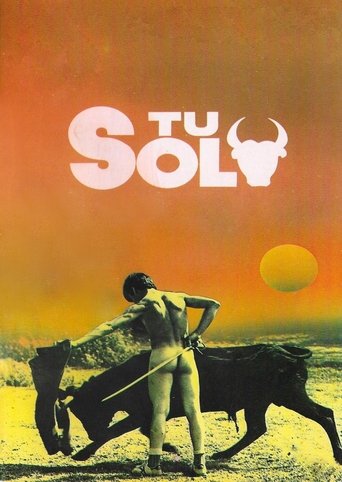
In their spare time, after their studies or their work, children and adolescents between the ages of eight and sixteen meet at the School of Bullfighting in Madrid to learn the Art of Cúchares: Torear. In their stomachs there is no hunger as in the past, their dreams do not lie in having a farmhouse and being famous. Their only dreams are to be in front of a bull, animal with which death goes, fact of which they are fully aware, as their teachers continually remind them. These, retired bullfighters, some by age, others by force and all with their bodies full of scars produced by the horns of a bull. The nude bullfighting scene is fascinating without being exploitive, and it serves as an analogy for the vulnerability these young bullfighters have when in the ring with the bulls.
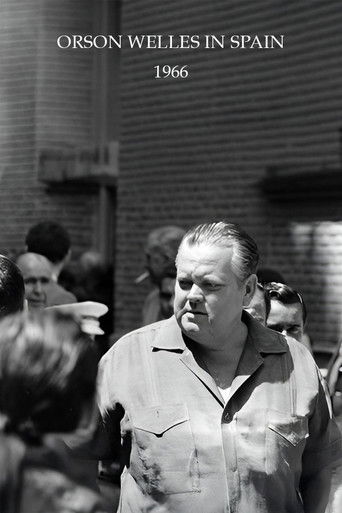
Orson Welles presents a proposed film project to prospective investors in Spain. Speaking to an audience of wealthy arts patrons, Welles outlines his vision for an improvised, documentary-style fiction set in the world of bullfighting, centered on a solitary, existential matador who stands apart from his peers. As he expounds on cinema, performance, and the ritualized spectacle of death, the film captures a project that would ultimately remain unrealized.
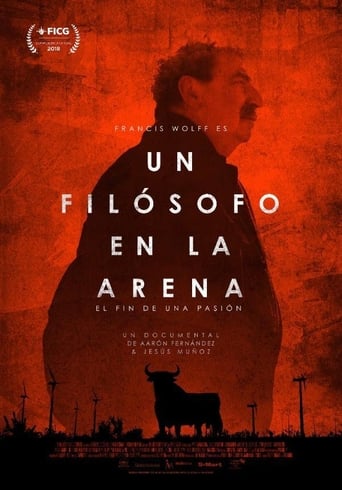
After his retirement, french philosopher and bullfighting enthusiast Francis Wolff decides to embark on a journey to France, Spain and Mexico joined by two mexican filmmakers who hardly know anything about bullfighting, a culture whose days seem to be numbered. During their road trip, they encounter numerous personalities with whom they reflect on mankind’s relationship with animals and nature, but most importantly on our relationship with death and the meaning of the ultimate journey: life itself.
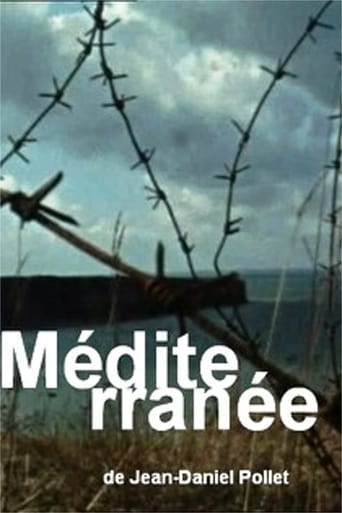
[Here] Pollet made a work that is the very definition of what French critics like to call an ovni or ufo (as in ‘unidentified filmic object’). [It] has been described as being ‘like a comet in the sky of French cinema,’ an ‘unknown masterpiece,’ and an ‘unprecedented’ work that refuses interpretation even as it has provoked reams of critical writing. Its rhythmic collage of images – a girl on a gurney, a fisherman, Greek ruins, a Sicilian garden, a Spanish corrida – is accompanied by an abstract commentary written by Sollers, and only the somber lyricism of Antoine Duhamel’s score holds the film’s elements together. At first viewing, you fear that [it] might fly apart into incoherent fragments. Instead, over the course of its 45 minutes it invents its own rules, and you realize you’re watching something like the filmic channeling of an ancient ritual.